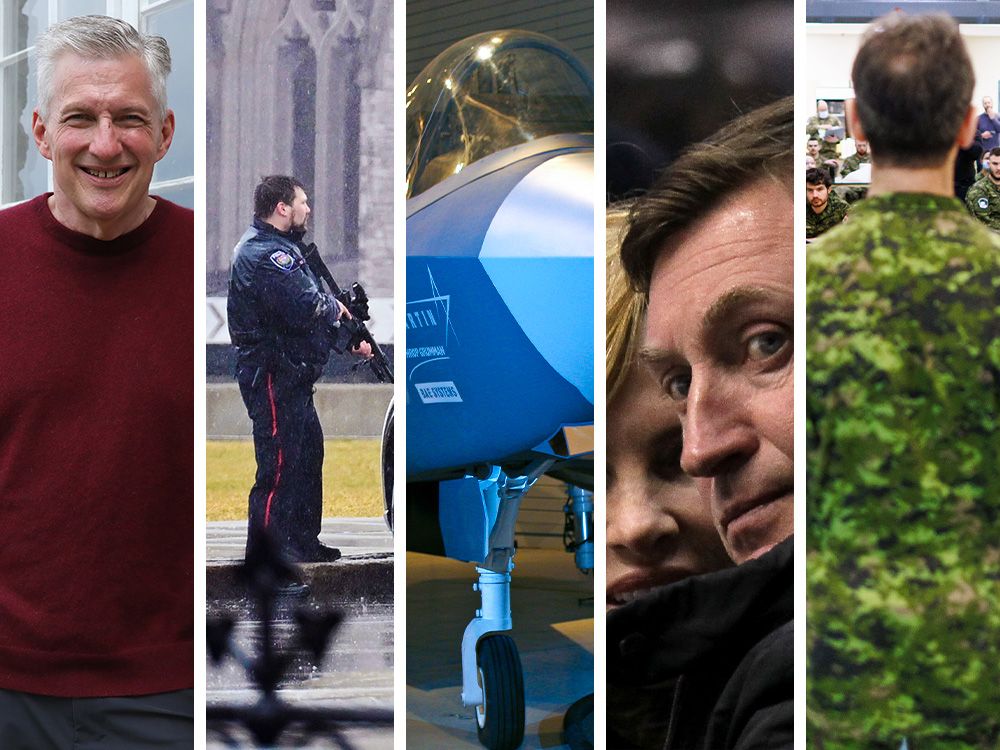
Canada began 2025 braced for an election and spent the year watching politics leak into places usually outside the campaign frame. Ballots rewrote careers overnight. Tariff decisions south of the border rearranged travel plans and consumer behaviour. Canada–U.S. relations strained, and even sports figures were drawn into partisan crossfire.
Here are the year’s top stories, ranked from least to most read.
IIHF “apology” falls flat
Canada left the
World Junior Championship
on home ice after a quarterfinal dominated by penalties and video reviews. The loss to Czechia in late 2024 capped a tournament where Canada piled up far more penalty minutes than any other team, yet the postgame focus narrowed to a handful of late rulings, including a major penalty upheld after review and a violent hit into the boards that drew no call.
In early 2025, attention moved to the IIHF president, who answered questions in Ottawa with language about human error and the need to protect officials. The response admitted faults in abstract terms while preserving the result, leaving Canada out of the tournament and a home crowd left to wrestle with where discipline ended and officiating began.
Read the coverage by Don Brennan here
Man barricades himself inside East Block
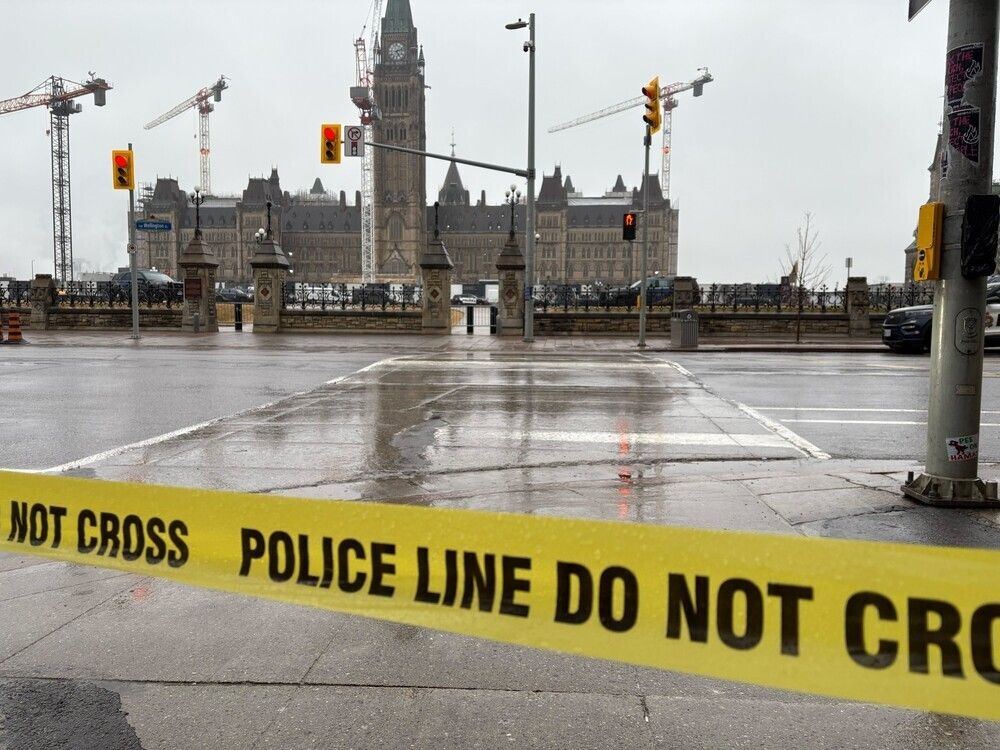
A man entered East Block on Parliament Hill just before three on a Saturday afternoon and
refused to leave
, forcing one of the country’s most symbolically guarded buildings into lockdown. Staff received an abrupt order to hide, then to evacuate, as police sealed off Wellington Street and brought in tactical units, robots and negotiators for a standoff lasting into the evening.
Hours later, the man surrendered peacefully and police confirmed no weapons or explosives were involved, laying charges tied to probation breaches and threats. The episode unfolded in stages, moving from weekend quiet to sealed corridors and a
full security posture
around offices more often associated with committee binders and staff memos than emergency response.
Read the story by Matteo Cimellaro and Paula Tran here
Public Service rankings
A new Ottawa Citizen analysis examined federal work life through the eyes of public servants, asking which departments are the best places to work. Using employee survey data and additional reporting, the project ranked 85 federal departments and agencies,
cutting through the assumption
that centralized rules produce interchangeable workplaces.
The results place
small oversight bodies near the top
while sprawling departments spread unevenly across the results, and suggest management culture and day-to-day conditions are decisive factors. As public servants face
uncertainty around staffing
, the results map which federal workplaces function well and where dissatisfaction is the norm.
See the full ranking results here
Moving from Montreal to Ottawa
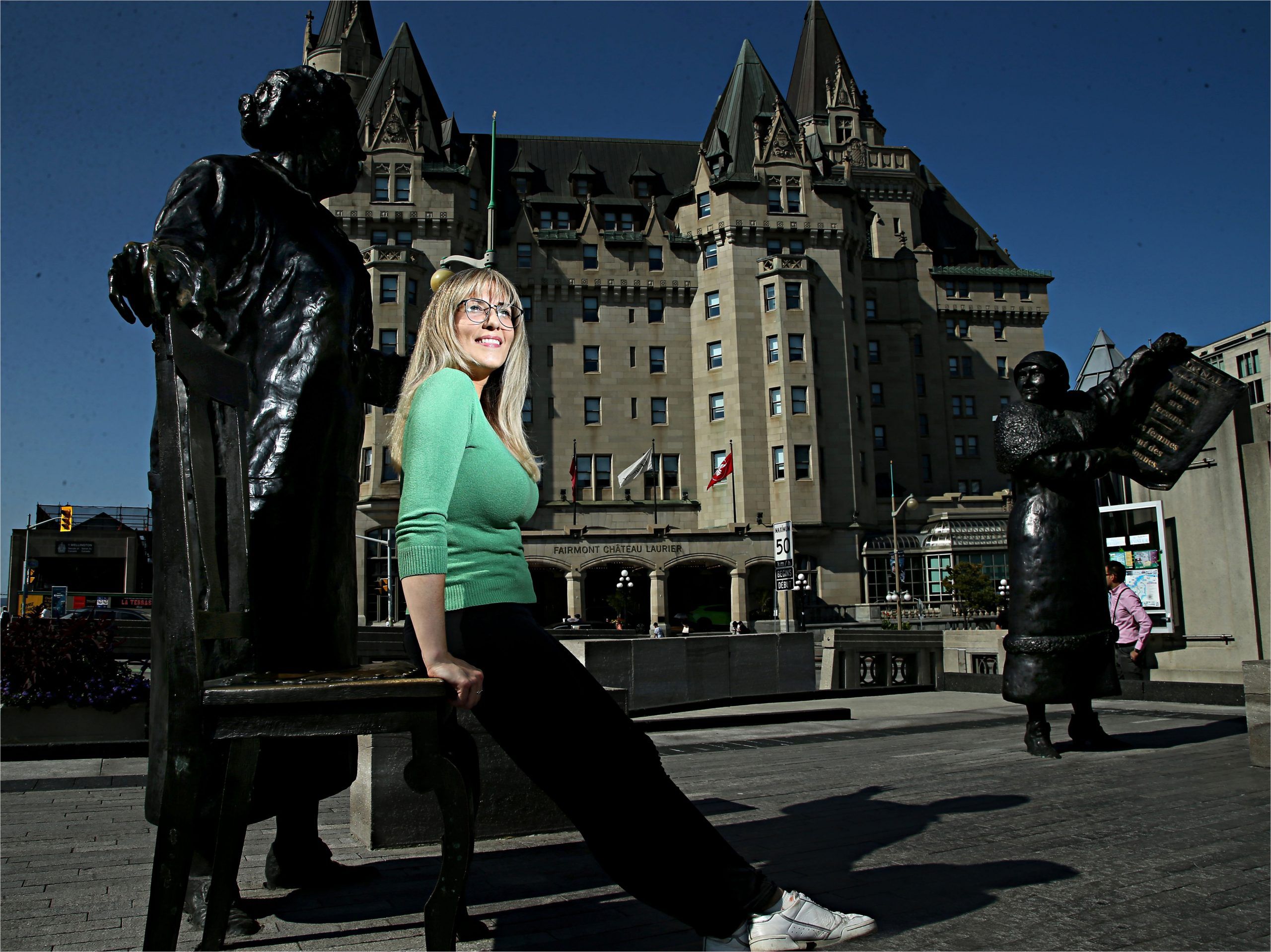
A quick ServiceOntario visit became the opening shock in a longer reckoning between two cities often reduced to lazy stereotypes. Moving from small bureaucratic wins into rent math, shuttered music venues, bike share gaps, language rules, nightlife hours and the daily friction of getting things done, lived encounters test the idea that Montreal equals freedom while Ottawa equals dullness.
Montreal has late nights and a high cultural density, but rent is increasing and services can be unstable. Ottawa, by contrast, is orderly, with enough financial stability to support side projects, even as spontaneity stays more contained. It’s a reframing of how each city rewards residents when novelty fades and long-term survival takes priority.
Read the essay by Sofia Misenheimer here
U.S. travel tanks after tariffs
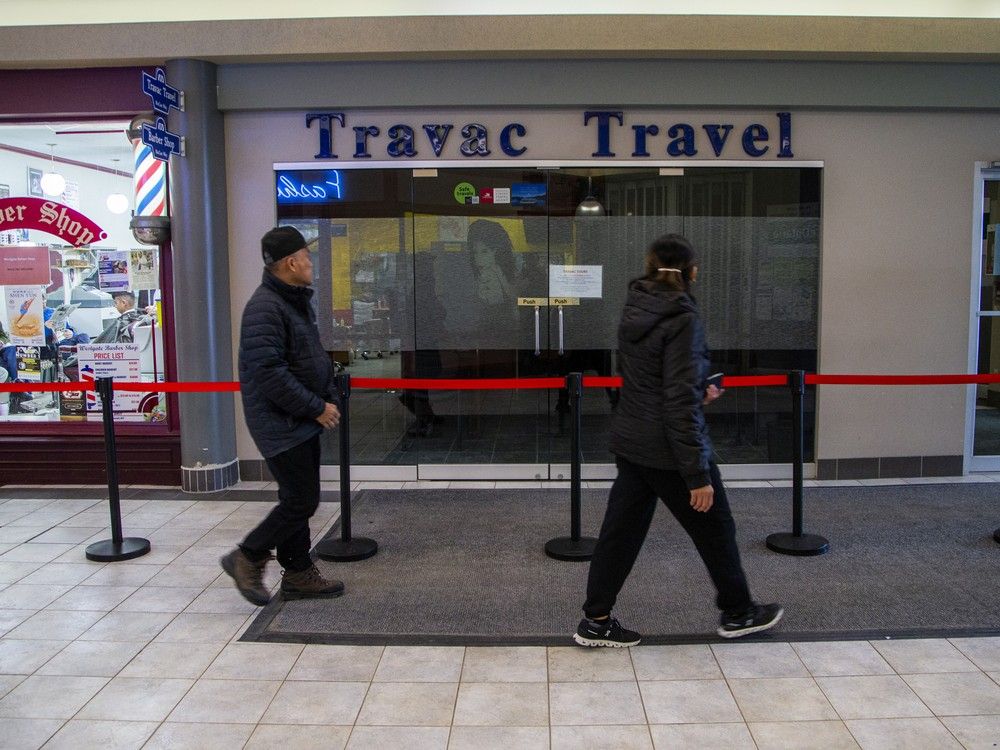
A
Trump tariff
order pushed a trade dispute into an unexpected corner of the local economy. After the Feb. 1 executive order directed at Canadian goods, Ottawa tour operator Travac Tours stopped selling seats on U.S. bus trips and cancelled planned New York departures after bookings dropped to zero.
Travac shelved dozens of U.S. itineraries as border data showed a sharp fall in Canadians travelling south, and airlines began trimming American routes. Travel demand continued for other destinations instead, redirecting clients toward Europe and Canadian cities as Canada–U.S. relations deteriorated.
Read the report by Jansen Duench here
Former radio broadcaster passes away

A familiar Ottawa voice fell silent in January, prompting an outpouring of remembrance for Shawn “Simmer” Simpson. The longtime radio personality and former NHL goaltender died at 56, ending a career defined by blunt analysis and a public willingness to speak about mental health long before such conversations were common on sports radio.
Colleagues described the on-air intensity of the broadcaster, who survived years marked by addiction, homelessness and recovery. Radio work gave Simpson routine and a way back into public life, while his openness about low points became central to how listeners understood both the man and the voice they heard every day.
Read the story by Lynn Saxberg here
Public servants reporting for duty?
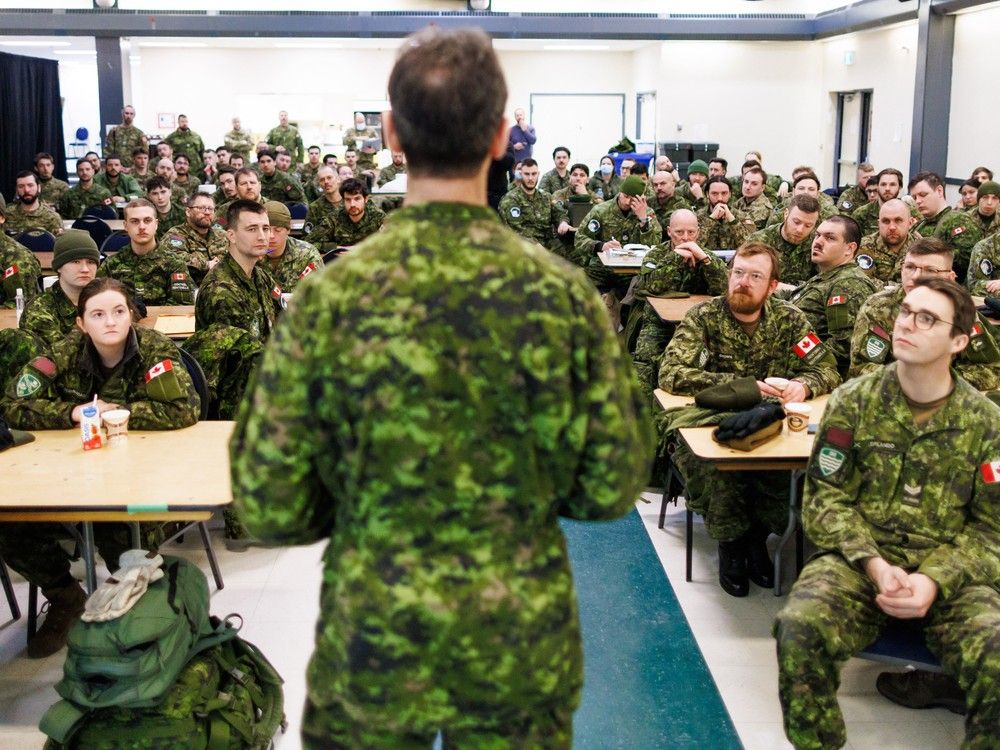
A Defence Department directive pushed an uncomfortable idea into public view, treating the federal workforce as a possible reserve pool for military expansion. The plan described training public servants to fire weapons, drive military vehicles and fly drones as part of an effort to raise Canadian forces to 300,000 personnel.
The nine-page directive signed by the
chief of the defence staff
and the defence deputy minister detailed how federal and provincial public servants could be folded into an expanded supplementary reserve. The document set out lighter entry standards and no uniforms, while placing civilian workers inside a mobilization plan linked to future conflict scenarios.
Read the story by David Pugliese here
Gretzky and the missing maple leaf

Backlash against Wayne Gretzky erupted in late February over visible ties to Donald Trump, paired with his appearance as honorary captain at the 4 Nations Face-Off final, where he walked past the American bench and did not wear a Canadian jersey. The moment crystallized months of public association with Trump, including campaign-night appearances and proximity to MAGA politics during a period of heightened Canada–U.S. strain.
Janet Gretzky entered the conversation with a rare public response, thanking Bobby Orr for defending her husband and describing the emotional impact of sustained criticism. Her comments redirected attention toward personal fallout, even as questions persisted about political alignment and public conduct by a national figure.
Gretzky later addressed the criticism
in a podcast interview, describing the reaction as painful while reaffirming lifelong Canadian identity and distancing himself from responsibility for Trump’s actions. Taken together, the coverage traced how a hockey legend became entangled in a culture-war moment, as public affection collided with political allegiance and expectations placed on national symbols changed in real time.
Read the report by Bruce Garrioch here
Federal election night shock in Carleton
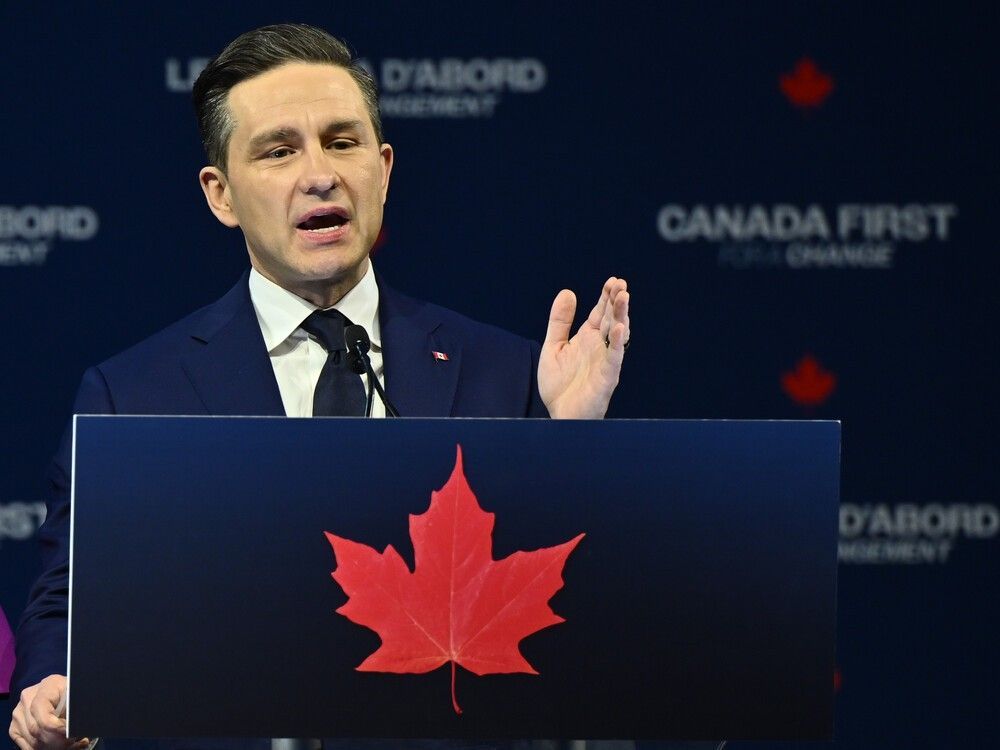
The second most-read story of the year captured a double shock for the federal Conservatives as Pierre Poilievre failed to form government and lost a long-held Carleton seat. A tense ballot count on election night dragged into early morning hours, slowed by record advance turnout and a protest ballot crowded with candidates, while watch parties in Ottawa moved from anticipation to disbelief. By dawn, a leader who had dominated national polling months earlier no longer held a seat in Parliament, and a once-predictable riding drew national attention.
Mark Carney secured a first Commons win in neighbouring Nepean
as the Liberals prepared to govern, while Carleton’s prolonged count produced one of the campaign’s defining upsets.
Read the breakdown by Sadeen Mohsen and Elizabeth Payne here
How Bruce Fanjoy pulled out a win

Bruce Fanjoy’s victory in Carleton turned a long-safe Conservative riding into the longest night of the federal election. Vote counting stretched into the early morning as a protest ballot crowded with candidates slowed results, keeping Pierre Poilievre’s fate unresolved hours after national outcomes were known. When the final numbers arrived, the Conservative leader had lost the seat he’d held since 2004.
Readers wanted to know how a first-time Liberal candidate overcame long odds. Part of the answer was relentless door knocking, record advance turnout and a campaign tuned to local pressure over affordability, sovereignty and public service cuts.
Read the profile by Sadeen Mohsen here
F-35 exit strategy turbulence

The Citizen’s most-read article looked at how Canada’s search for alternatives to the F-35 could still leave Ottawa subject to U.S. approval, even if it walked away from the American-made jet.
The story broke as the federal government launched
a review of Canada’s planned F-35 purchase
under mounting pressure from a newly hostile U.S. administration. The reporting challenged a widely held belief in Canada’s defence debate that European fighter jets would allow Ottawa to sidestep American control. Defence analysts instead laid out how U.S.-made systems remain embedded across competing aircraft, giving Washington leverage regardless of the badge on the plane.
In the weeks that followed, a retired air force commander publicly
reversed his earlier support for the F-35
, and by late summer, the
United States was warning of consequences
if Canada walked away from the deal. Together, those developments turned a procurement question into a broader debate about sovereignty, alliance politics and how much control Canada retains over a fleet expected to fly well into the next generation.
Read the original coverage by David Pugliese here
If you liked this story, sign up for Out of Office — the Ottawa Citizen’s free weekly guide to local arts, culture and things to do. For more local coverage, follow us on Bluesky.