New federal funding to help Hydro Ottawa build out an artificial intelligence system could help the Kanata North tech park handle its immense demand for energy, the ward councillor says.
“Everyone is looking for more power. Our slogan in the park is energy is the new gold,” Kanata North Coun. Cathy Curry said.
On Thursday, Environment Minister Tim Hodgson and AI Minister Evan Solomon announced $6 million in funding for Hydro Ottawa.
The money, coming from the federal government’s
Energy Innovation Program
, will go toward the utility’s Ottawa Energy Resource Accelerator (ODERA) program.
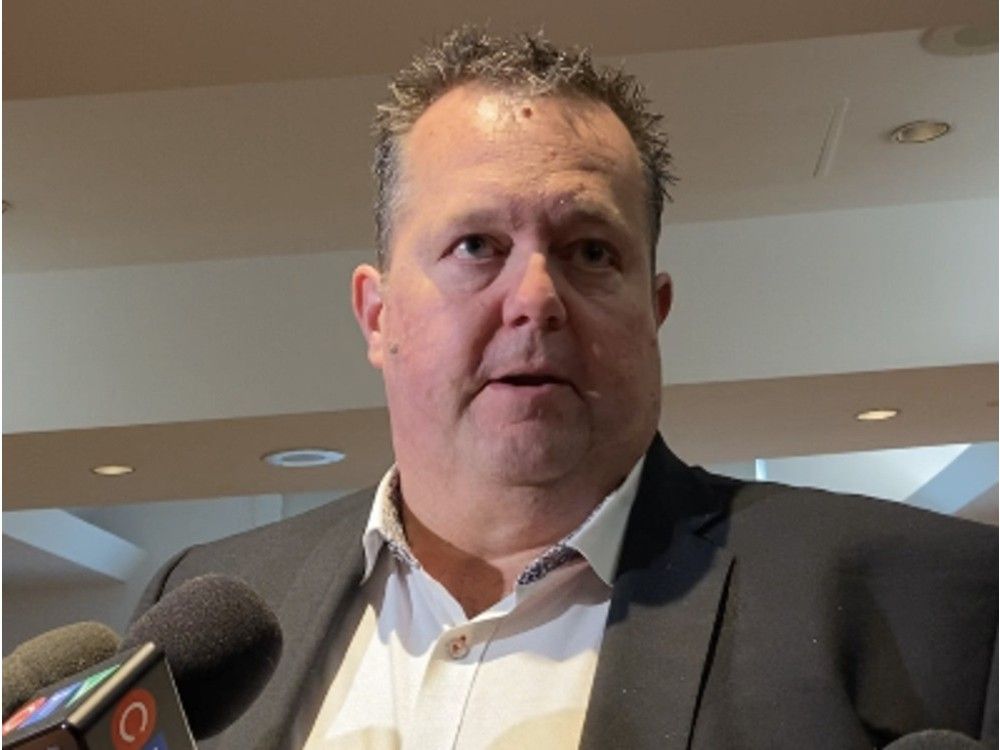
Hydro Ottawa CEO Bryce Conrad said the pilot project would involve 39,000 customers and specifically target Kanata North with the goal of better managing significant energy demands in the area — and perhaps staving off some needed infrastructure investments.
“The real neat part of this, if you will, is just the ability to bring the artificial intelligence to bear, so it’s almost balancing the grid in real time,” Conrad said.
Curry said tech companies looking to set up shop in Kanata always asked whether the local grid could support their energy needs.
“And Hydro Ottawa is saying, ‘We would like to be able to say yes,’” Curry said.
The AI pilot program is the latest effort, from large
battery energy storage systems
to
expansive solar farms
, designed to bolster Ottawa’s grid in response to rapidly
increasing demand for power.
Customers won’t notice change, CEO says
In a news release, Hydro Ottawa said the technology would use “AI-enhanced predictive analytics” to accurately forecast peak demand.
Those forecasts will then help the utility balance supply and demand by turning “customer-owned assets,” such as electric vehicle batteries and home chargers, into resources for the grid.
An example of that, according to Conrad, is that Hydro Ottawa could connect to a customer’s smart thermostat and turn the air conditioning down “a degree or two” if demand for energy during a heat wave risked overloading the system. That process would be managed by an algorithm.
“You want to make it so that they don’t even notice the change,” he said.
Affected hydro customers will be asked whether they want to sign up for the program.
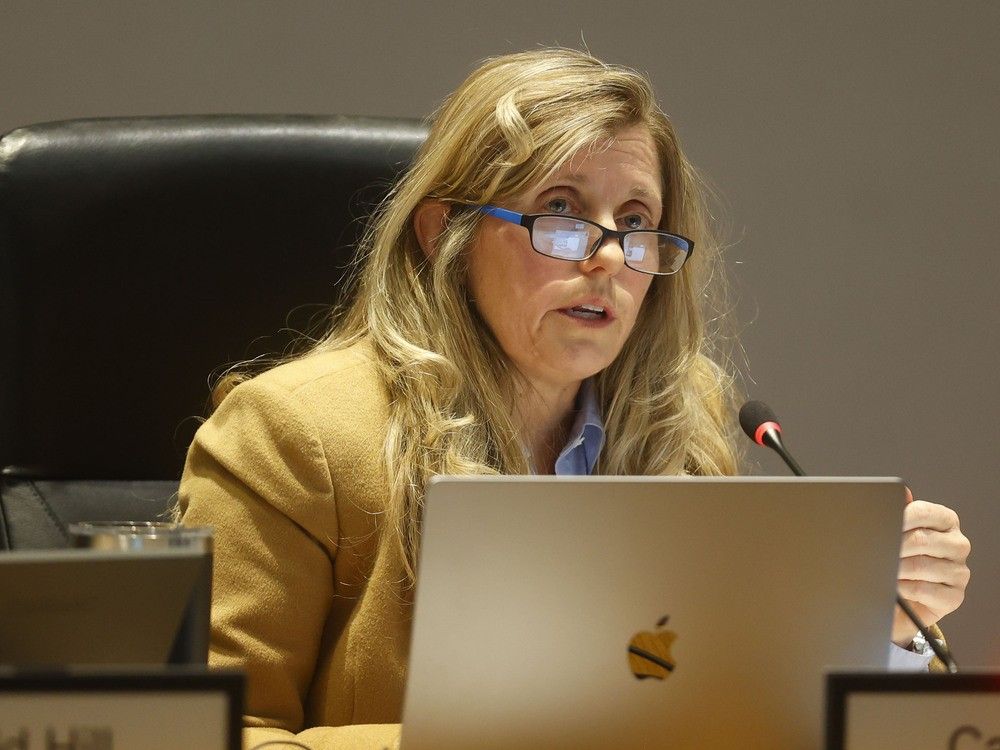
Curry said pa
rt of the benefit was that federal funding freed up Hydro Ottawa to use its own money elsewhere.
“Hydro Ottawa can build more substations, lay more fibre and build more solar farms,” she said.
AI researcher questions cost
Renee Sieber, a McGill University professor who studies AI, said she was “incredibly supportive” of efforts to use technology for improving municipal services.
In this case, however, she said the news release left plenty of important questions unanswered.
For one: Why does it cost so much?
Sieber, who co-hosts the AI in Canadian Municipalities Community of Practice, said other cities in Canada were implementing predictive analytics in a wide range of applications for far less money.
Conrad said his question was instead: “Why does it cost so little?”
“It’s the infrastructure necessary to do some of it. It’s the control system on our end,” he said. “It’s a pretty elaborate piece of machinery.”
Conrad said most of the money would go toward paying for back-room computer systems running the algorithm.
But Sieber wants to see more transparency and said questions remained about who the technology was designed to benefit.
“There’s all sorts of questions we need, and transparency we need,” she said, adding g
overnments should consider whether local resources were being used to fund the energy demands of foreign corporations.
“We always have to think about those physical impacts,” she said.
Conrad said he hoped the project didn’t end in Kanata.
“Hopefully we can demonstrate the value and roll this out to all of Ottawa at some point,” he said.