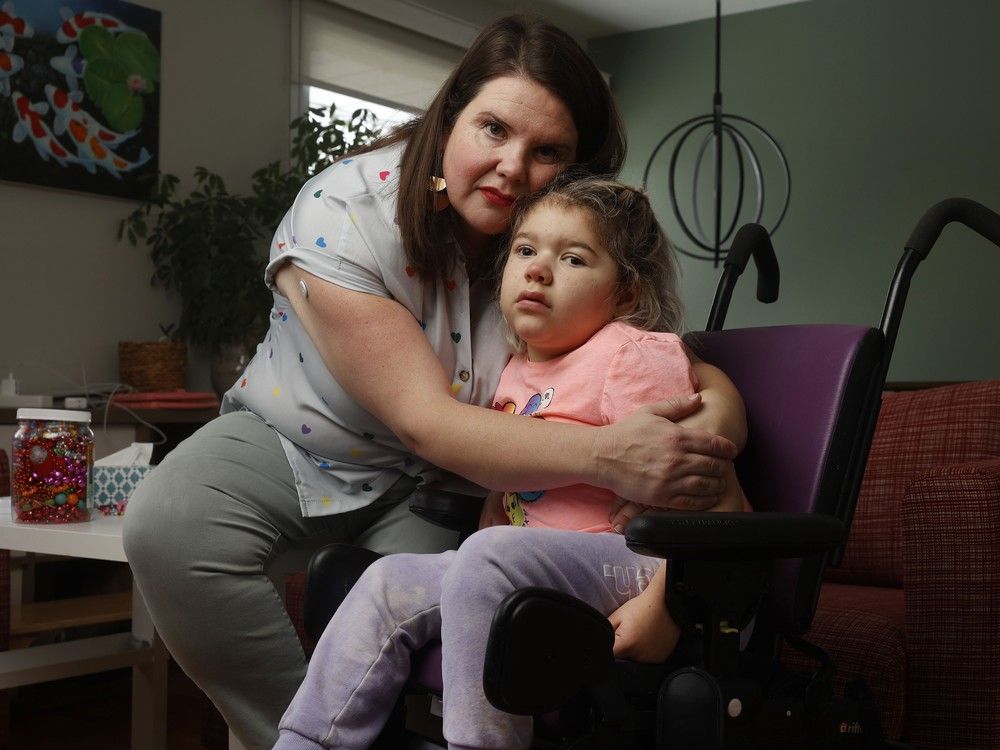
A public servant whose chronically ill daughter was denied coverage for a prescription is calling out the government’s healthcare plan as “discriminatory against kids.”
Julie Jewett, who works at Employment and Social Development Canada, said the Public Service Health Care Plan refused to cover the cost of Wegovy, a weight loss drug, for her eight-year-old daughter Lily in 2024, when she was seven.
Lily,
who has lived with a brain tumour
since she was a baby, has been “on basically non stop cancer treatment since she was four months old,” said Jewett, adding that the condition has damaged a region in her brain called the hypothalamus, leading to weight gain and hypothalamic obesity.
Jewett said that a doctor at CHEO had prescribed Lily take Wegovy to help manage her weight. However, Canada Life, the company that administers the healthcare plan for public servants, denied the request, saying Health Canada has not approved the drug for children.
“If a doctor has prescribed it, and the medical team wants to try it, and there’s rationale there, they can’t deny it based on a child’s age. In some ways it’s that simple,” Jewett said.
“It doesn’t matter what drug it is, but they can’t be excluding drugs that are not approved for children because most drugs used in Canada are not approved for children.”
Without coverage, Jewett said doctors were unwilling to start giving the drug to Lily, as Wegovy costs hundreds of dollars a month, and they didn’t want to risk having the girl stop and start the medication.
Jewett blamed a new policy in the healthcare plan that was implemented after the federal government switched insurance providers
to Canada Life from Sun Life in 2023
. The move has been controversial as
some public servants have struggled to access
coverage under the new provider.
As of July 2023, the new policy has required public servants to get prior approval from Canada Life for certain drugs before they can receive reimbursement.
The Treasury Board Secretariat, the department responsible for the healthcare plan, did not respond to questions by deadline.
Marie-Emmanuelle Cadieux, a spokesperson for Canada Life, said in an emailed statement that the insurance company “empathizes with all those who are facing difficult health challenges,” but that the federal government determines what is covered under the plan. She added that Canada Life must administer claims in compliance the the plan’s directive.
“While we cannot comment on a specific case for privacy reasons, if a claim is declined because it is not eligible for payment under the Public Service Health Care Plan Directive, and that decision is confirmed through the review process, the claimant may appeal to the Federal PSHCP Administration Authority,” Cadieux said.
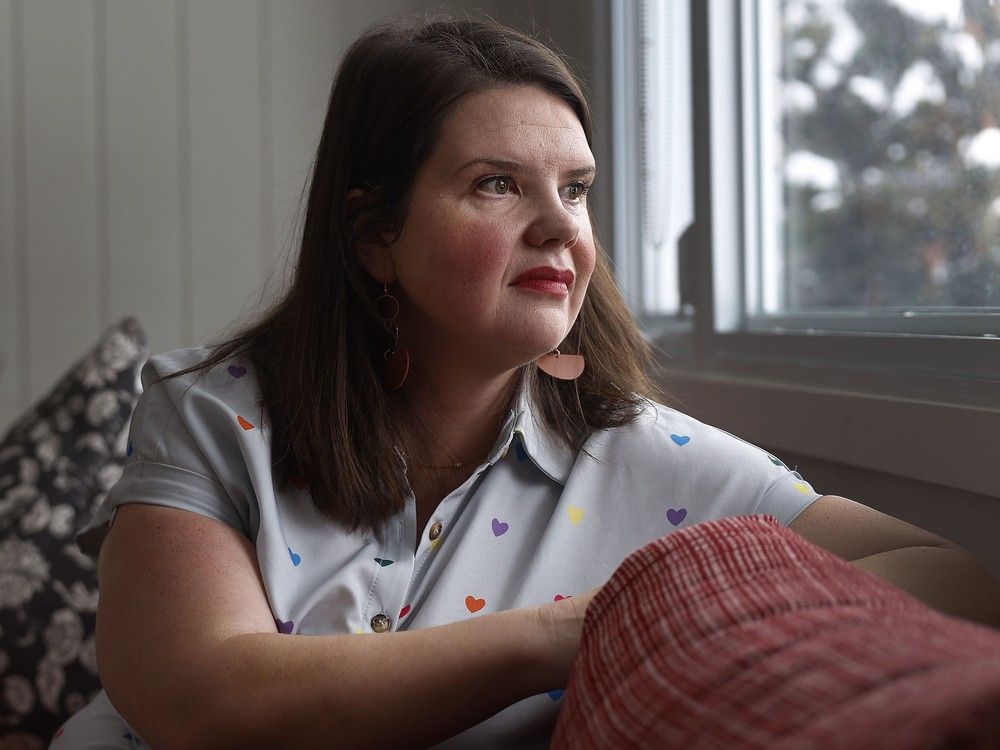
After she was denied coverage, Jewett appealed the decision to the Federal Public Service Health Care Plan Administration Authority. Her appeal was also denied.
In a May 2025 letter, Elisabeth Depestre, an appeals analyst with the authority, said that the medication had not been studied in children under the age of 12 and hadn’t been approved by Health Canada.
Depestre added that Canada Life had the right to deny “expenses for drugs which are used for a condition or conditions not recommended by the manufacturer of the drug.”
“I regret the answer could not be more positive; however, the Directors are responsible for ensuring that the (Public Service Health Care Plan) is administered in accordance with the provisions that govern the Plan for all members,” Depestre said.
Pediatricians say it isn’t unusual for a child to be prescribed a drug that’s “off-label,” meaning the medication is used in a way that’s outside of the manufacturer’s recommendations. Up to 80 per cent of all medications currently prescribed in Canadian pediatric hospitals are administered off-label, according to
the Canadian Pediatric Society.
Tom McLaughlin, a pediatrician and chair of the Canadian Pediatric Society’s drug therapy committee, said it isn’t that uncommon for children’s medication to be covered by an insurer while in hospital, only to then be restricted when they are discharged.
“Drugs that are needed should be reimbursed easily for children, and they’re not currently,” McLaughlin said. “Canada really struggles with drug access for children.”
McLaughlin declined to comment on Jewett’s case specifically, but said systemic barriers exist for sick children seeking medication and that reforms are needed.
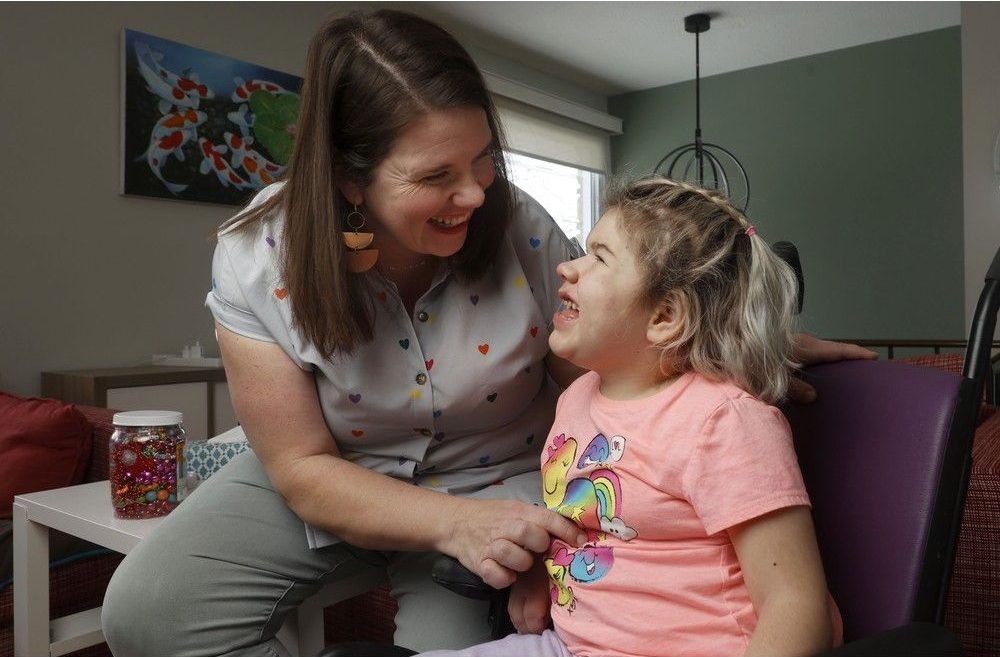
The stakes are high for Jewett, who worries that waiting until Lily turns 12 to start Wegovy could worsen her quality of life in the meantime as she struggles with mobility issues.
But despite those issues and throughout all the challenges Lily has had early in life, Jewett said her daughter continues to laugh and joke as a “typical eight-year-old.”
“She loves Taylor Swift, she loves hanging out with her friends, but she has a very difficult life and often doesn’t feel well.”
While she fears for her daughter, Jewett said she hopes her fight can lead to a broader change within the healthcare plan.
“If nobody fights and nobody raises the red flag, (then) what else are they going to try to do next to cut costs?” she said.
“And it’s going to be the vulnerable people that are likely going to be sacrificed, like kids.”
Related
Our website is your destination for up-to-the-minute news, so make sure to bookmark our homepage and sign up for our newsletters so we can keep you informed.