

TORONTO — A new survey suggests optimism about aging fell sharply over the last year, with financial insecurity and loneliness dampening how many Canadians feel about their golden years.
The National Institute on Aging surveyed just over 6,000 adults aged 50 and older in June and July for its fourth annual report titled Perspectives on Growing Older in Canada, released Tuesday.
While the majority – 57 per cent of respondents – still said they had positive feelings about aging, that’s down from 62 per cent in 2024. The figure had previously been stable for years.
Talia Bronstein, director of policy at the National Institute on Aging, said the latest findings show that older adults increasingly can’t afford to retire and feel lonely and socially isolated. She also said many respondents don’t have primary care doctors, though that has modestly improved.
A growing number of people say they can’t afford to retire when they had hoped to — 43 per cent compared to 38 per cent in 2024.
Social isolation and loneliness remained “stubbornly high” and unchanged over the last four years, with 43 per cent saying they’re at risk of social isolation and 59 per cent experiencing loneliness.
Dr. Jillian Alston, a Toronto geriatrician, said the results display how interrelated these issues are, and how financial insecurity permeates all of them.
“You’re more likely to be feeling more lonely or less engaged. If you’re financially insecure, it’s probably going to amplify the challenges with getting to and accessing your health care, and then you can see that it seems like it’s a vicious cycle,” said Alston, who was not involved in the survey.
OVERLAPPING PRESSURES AFTER 50
The report says the youngest group of older adults aged 50 to 64 are struggling most with isolation, with one in four saying they were very lonely, and almost half saying they were at high risk of isolation.
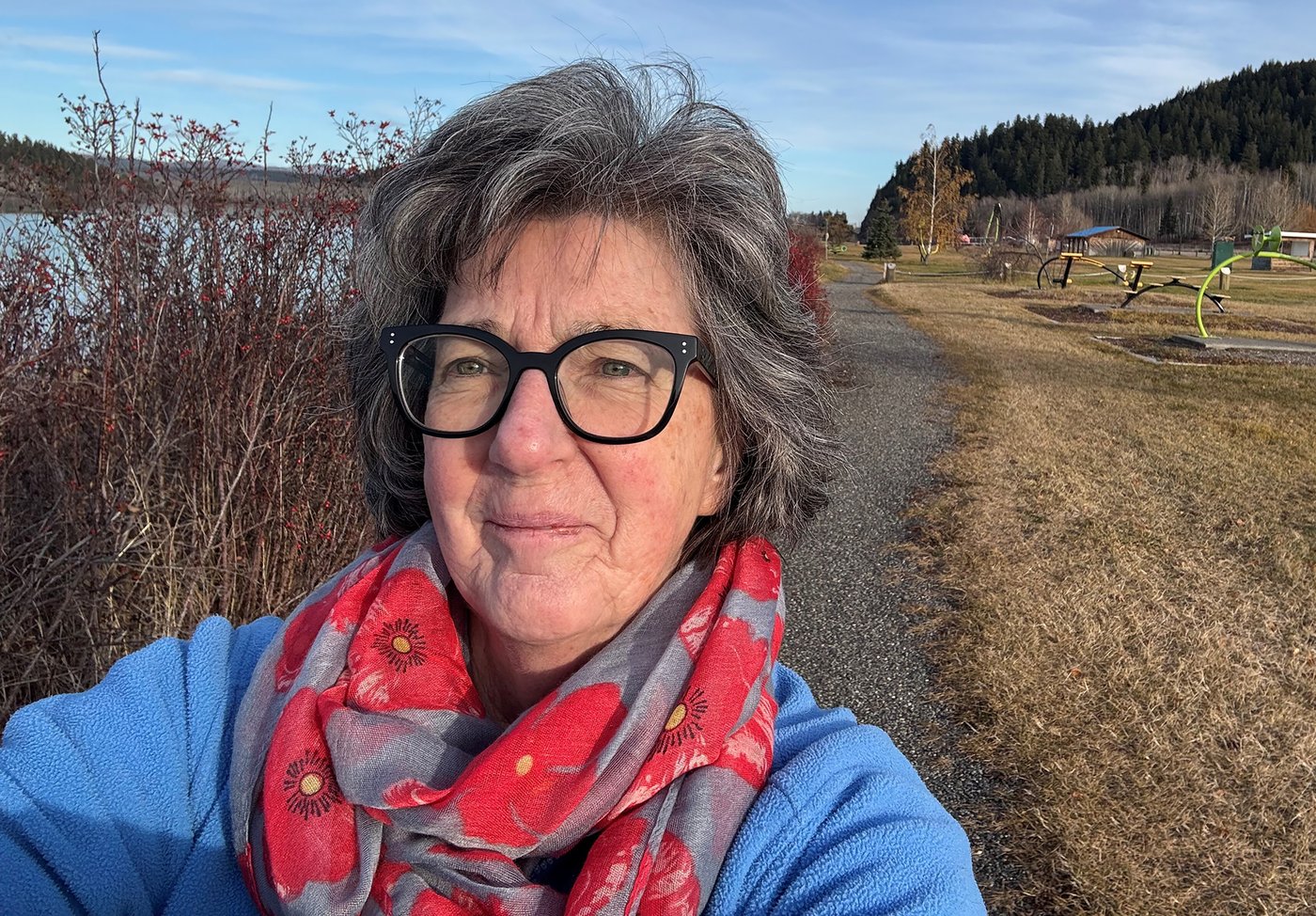
That cohort cited overlapping pressures of employment, caregiving and emerging health challenges, all of which Laura Beamish of Fort St. John, B.C., is familiar with at 54 years old.
Beamish is her mother’s main support, but she also has aches and pains of her own, and her retirement plan has gone by the wayside. Quick getaways to Mexico on last-minute deals now seem like a luxury.
“There’s a lot of uncertainty,” she said, mentioning the economy and geopolitics as being among the worries that keep her at home through the long winters.
Beamish, who works as a program co-ordinator at a non-profit that helps seniors, says she’s lucky to have a dual income and be a homeowner, but even so, the rising cost of living is hard to keep up with.
“The cost of groceries, all of the things, just the amount of money you need to retire and have saved, and I mean, sure, you’ll get something for your home, but I mean it’s just not going to be enough,” she said.
LACK OF ACCESS TO PRIMARY CARE
When it comes to primary care access for older adults, the survey noted an improvement — 68 per cent, up from 60 per cent in 2024, 65 per cent in 2023, and 62 per cent the year before that — but as a geriatrician, Alston said that still falls short.
“That still means just under a third of older adults are lacking a primary care clinician who’s their sort of quarterback in terms of managing their health and well-being.”
Seventy-one-year-old Elaine Storey doesn’t have a family doctor in the northern village of Fraser Lake, B.C., and goes to a health clinic of rotating providers. The closest major hospital is a two-hour drive each way. When she twisted her knee last November, she didn’t go in to get it checked out for a month, and by then it was badly swollen.
“It’s harder to get that continuity of care, which is really important to seniors obviously because many times, that’s probably for some of them it’s the only outing that they have you know in a two- or three-months period of time,” she said.
Storey started a society for senior support, called Autumn Services, which offers transportation to the nearest hospital, along with $5 breakfasts and a drop-in centre for socializing.
“I’m just looking in into, you know kind of this abyss that’s coming ahead of me,” she said. “There’s no manual for this aging business. There’s no set rules.”
This report by The Canadian Press was first published Jan. 20, 2026.
Canadian Press health coverage receives support through a partnership with the Canadian Medical Association. CP is solely responsible for this content.
Hannah Alberga, The Canadian Press

