New details are emerging regarding the
federal government’s early retirement package
, which around 70,000 public servants found they were eligible for after
letters were sent in December.
The early retirement incentive program was announced in the Liberal budget in November, part of a strategy to axe around
30,000 public-service jobs.
The early retirement incentive program, sourced from the surplus within the Public Service Pension Plan, will allow eligible public servants to retire early without facing costly pension penalties. The cost for the program is estimated at around $1.5 billion.
Without the waiving of pension penalties, a public servant retiring early would normally pay a five-per-cent hit to their pension for each year the worker retires early.
The early retirement incentive program is temporary and will only be available to eligible workers this year.
There are two eligible groups of employees.
The first group includes those who joined the Public Service Pension Plan on or before Dec. 31, 2012, are at least 50 years of age and have at least two years of pensionable service and 10 years of employment within the public service.
The second group includes those who joined the Public Service Pension Plan on or after Jan. 1, 2013, are at least 55 years of age and have at least two years of pensionable service and 10 years of employment within the public service.
In an email to deputy department heads reviewed by the Ottawa Citizen, criteria for the early retirement program is becoming clearer after weeks of scant details.
Those criteria include deputy heads making decisions on who will be granted retirement packages on a “case-by-case” basis to ensure “operational or business needs” are not derailed.
The email also pointed to the need for organizations to maintain services and to reduce their workforce as other key criteria for the deputy heads. Observers have worried about the risk of a loss of institutional knowledge that an early retirement exodus might precipitate.
A portal for the program is under development within the Treasury Board’s application portal to take application and submissions.
The email to deputy heads also includes an option for organizations to opt out of the early retirement program.
However, its unclear how many will do that given top-down pressures to reduce staff from Prime Minister Mark Carney’s spending review.
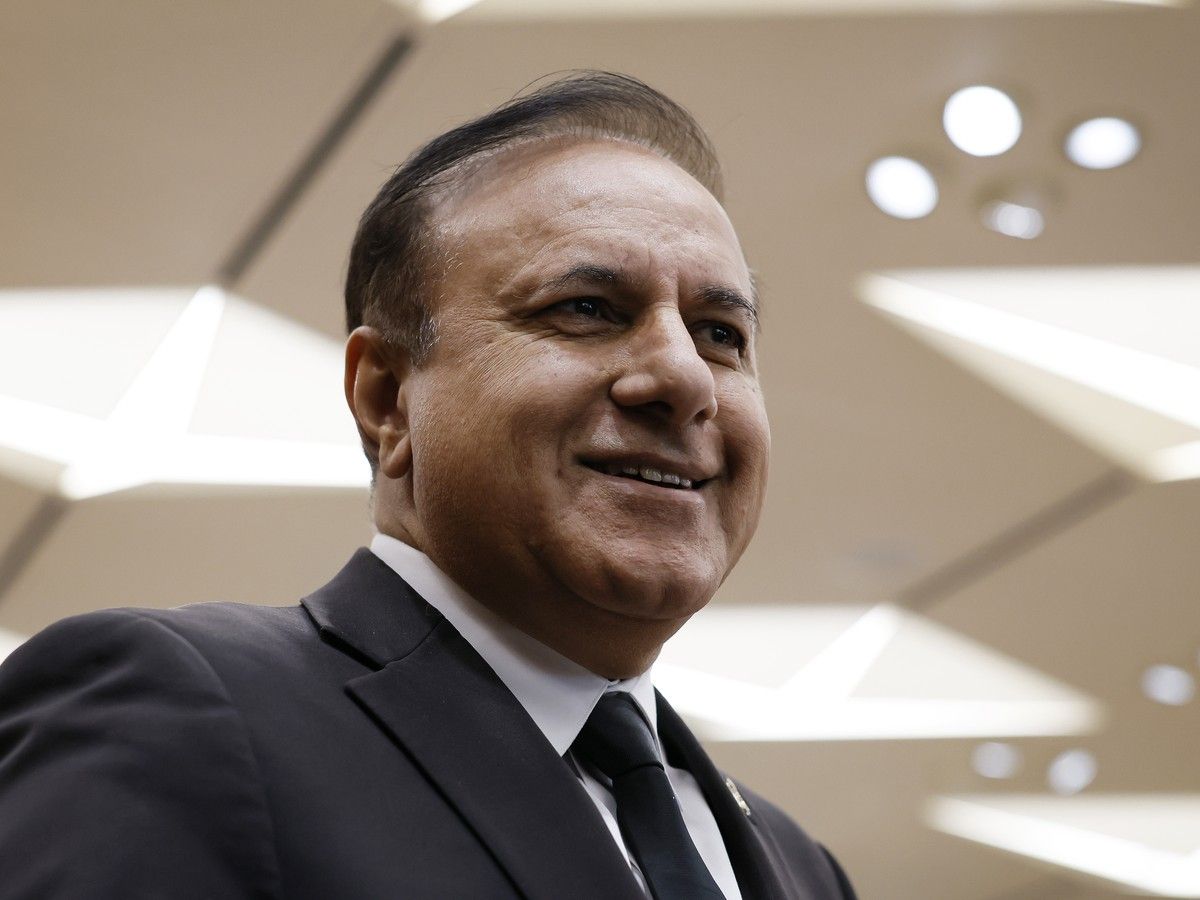
“As proposed in Budget 2025, workforce reduction will be managed, to the greatest extent possible, through attrition and voluntary departure,” Mohammad Kamal, spokesperson for Treasury Board President Shafqat Ali, said in a statement.
Once the budget bill receives royal assent, which could be as soon as next week, eligible public servants will have four months to decide whether to take early retirement packages.
However, the Senate must still approve the bill, which sparked contentious debate in the House of Commons.
“We recognize the high level of interest in this program and are committed to sharing information as it becomes available to help provide clarity and reduce uncertainty,” Kamal said.
Federal public-service unions have slammed the government for imposing the program.
Sharon DeSousa, president of the Public Service Alliance of Canada, told the Ottawa Citizen that the union had filed a policy grievance and unfair labour practice complaint over a “rushed” and “unilateral implementation” of the early retirement program.
“We support any effort to prevent involuntary layoffs, but those efforts must be negotiated,” DeSousa said before calling on the government to consult with the union on further steps.
Related
Our website is your destination for up-to-the-minute news, so make sure to bookmark our homepage and sign up for our newsletters so we can keep you informed.