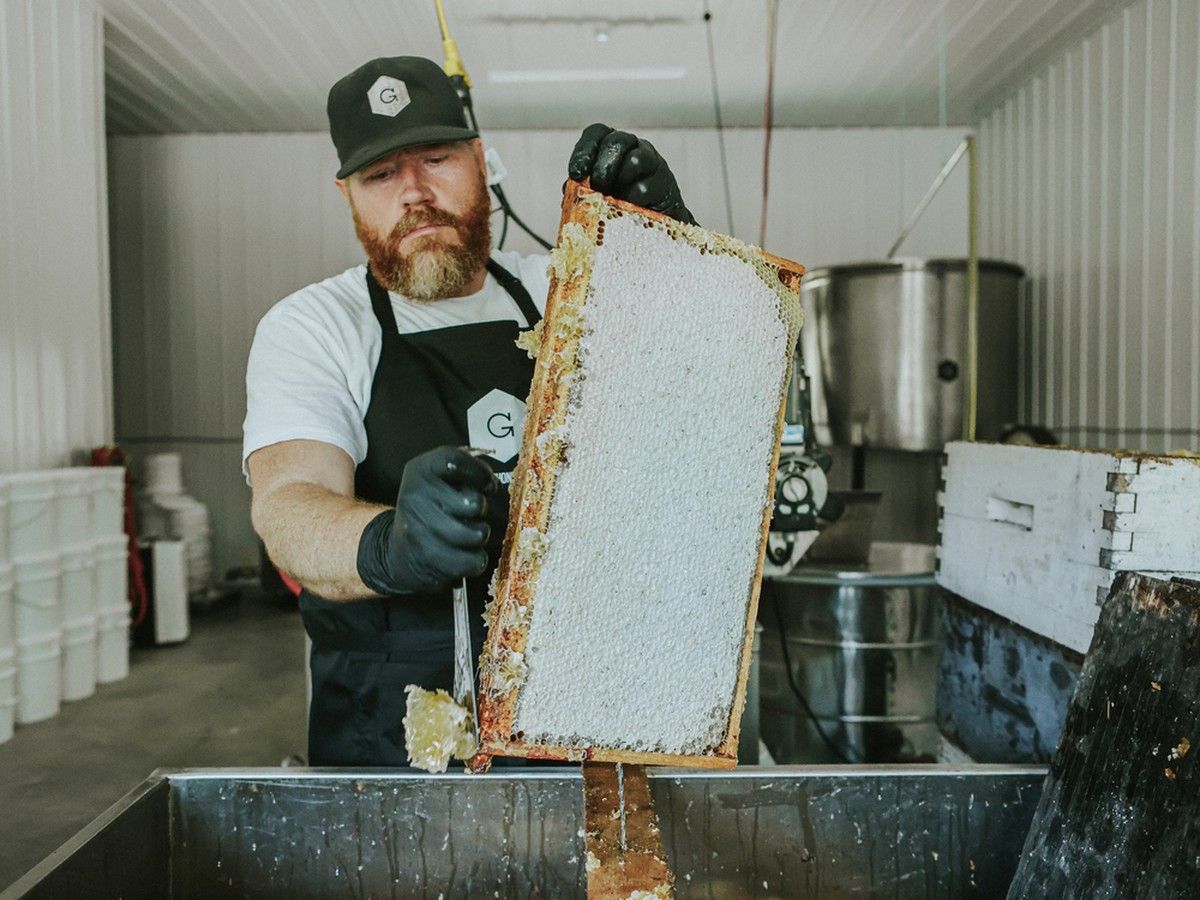
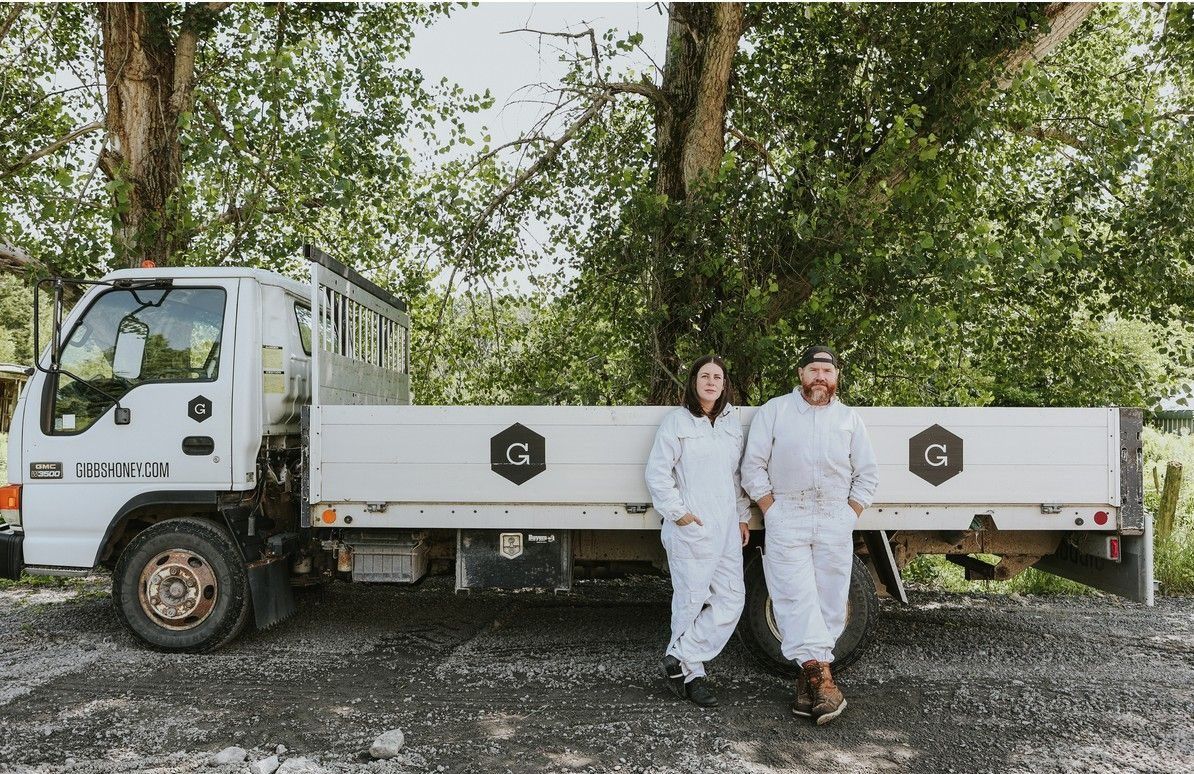
When Andrea Glenn and her husband, Russell Gibbs, decided to take over the Gibbs family honey business, 30 bee hives had to be trailered to a new home hundreds of kilometres away in Eastern Ontario.
“Those were some fun, bumpy times on the 417,” Glenn recalled of the pre-pandemic voyage from the Hamilton area to their then-newly purchased acreage near Vankleek Hill, about 100 kilometres east of Ottawa. “But they made it, and since then we have kept the business fairly stable.”
That stability — not to mention the health of the bees — is now in jeopardy with news that
Canada’s first high-speed train
is likely to come barrelling through their neck of the woods. Gibbs Honey has the misfortune of being located within the proposed corridor between Ottawa and Montreal, the first leg of the $90-billion construction project.
Although the exact route has yet to be determined, Alto, the Crown agency in charge of the project, has identified the general area. It’s expected to be narrowed down to a strip about 60 metres wide by the end of 2026.
But Glenn says the train and its infrastructure pose an existential threat to rural communities, and no guarantee of economic benefits. After all,
high-speed trains travelling at 300 km/h
are not designed to stop in every town and village along the way.
“Unfortunately this train as it’s proposed doesn’t do anything to serve these rural areas. It basically bisects them,” Glenn said, describing how the rail line and its 12-foot wall on both sides would cut off local roads and require all vehicles, from farm trucks to fire engines, to take long detours.
Even more worrisome for farmers is the agricultural damage brought on by an asphalt slash through the land. Construction would introduce insecticides and invasive species, while operation of the train is sure to disrupt the life cycle of many species, including bees.
Studies show that electromagnetic fields
like those generated by electric trains cause cognitive impairment in bees, throw off their navigation and stress their larvae.
“Bees are already threatened from so many different things,” Glenn said, citing a list ranging from climate change to habitat loss to pesticide use. “There are so many things that are already threatening beekeeping, and it’s become much bigger of a challenge. And so something like this just makes it feel insurmountable.”
To sharpen her sense of urgency is the looming deadline for people to share their concerns on the high-speed rail project. Alto is
holding public consultation sessions
, online and in person, until March 29 before finalizing the route.
However, Glenn is urging authorities to rethink the whole plan. She has launched a grassroots group called Alt-No to lay out the case against high-speed rail and its need for “greenfield” construction, which refers to the process of building on an undeveloped site.
“Our understanding is high-speed rail requires a very large turn radius, so they can’t really use existing infrastructure like the VIA Rail track that’s already between Ottawa and Montreal,” Glenn said.
“It all has to be greenfield construction, and it’s a dedicated track. It cannot cross the grade anywhere, which means that it has to either go under or over roads. And on either side is a 12-foot or higher fence … so it’s basically a 1,000-kilometre wall across Quebec and Ontario.”
She hopes it’s not too late to consider other solutions, such as improving the existing VIA Rail track and expanding the frequency of trains on it. “I think there are ways to do this that would benefit more Canadians and not have such a huge cost to the farms and communities along these corridors,” she said. “You can’t just pave through something.”
For the Gibbs family, beekeeping began on Russell Gibbs’ great-grandfather’s farm in the nearby hamlet of Dalkeith a century ago. His uncles expanded it into a thriving business.
Russell grew up in southern Ontario and bought a house in Hamilton. He worked as a graphic designer, but also kept bees on a friend’s property, selling honey at local markets. When he and Andrea met, she was a literary agent living in a condo in Toronto.
Since taking over the business in 2017 and moving Russell’s hives to Vankleek Hill, the couple has worked hard to expand the operation, diversifying it from a bulk honey producer to one balancing wholesale and retail sales as well as agritourism. They worked directly with restaurants to develop new products, such as the hot honey dreamed up with the folks at Farinella Pizzeria, and have branched out to create experiences that lure city dwellers to the countryside during the summer months.
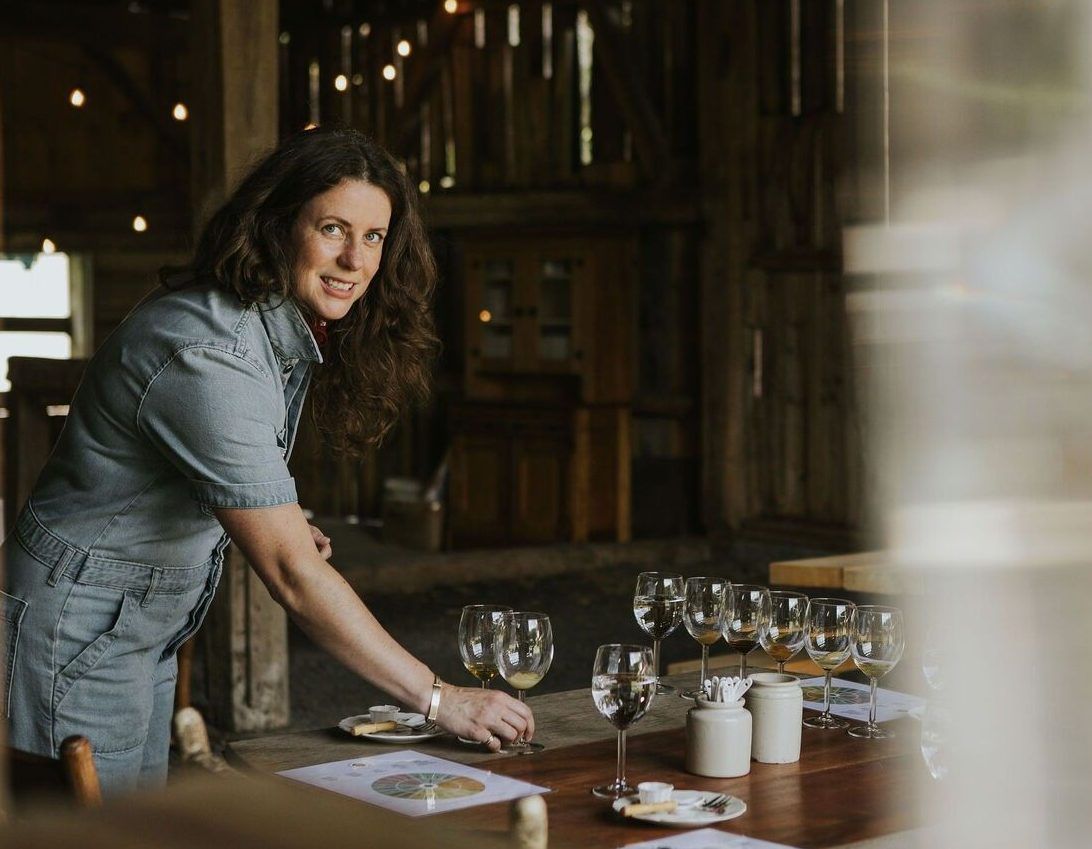
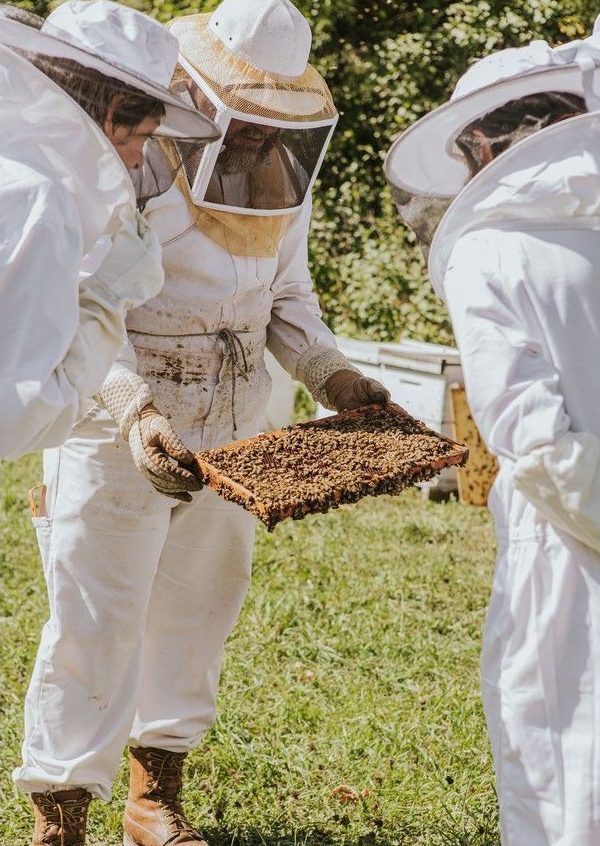
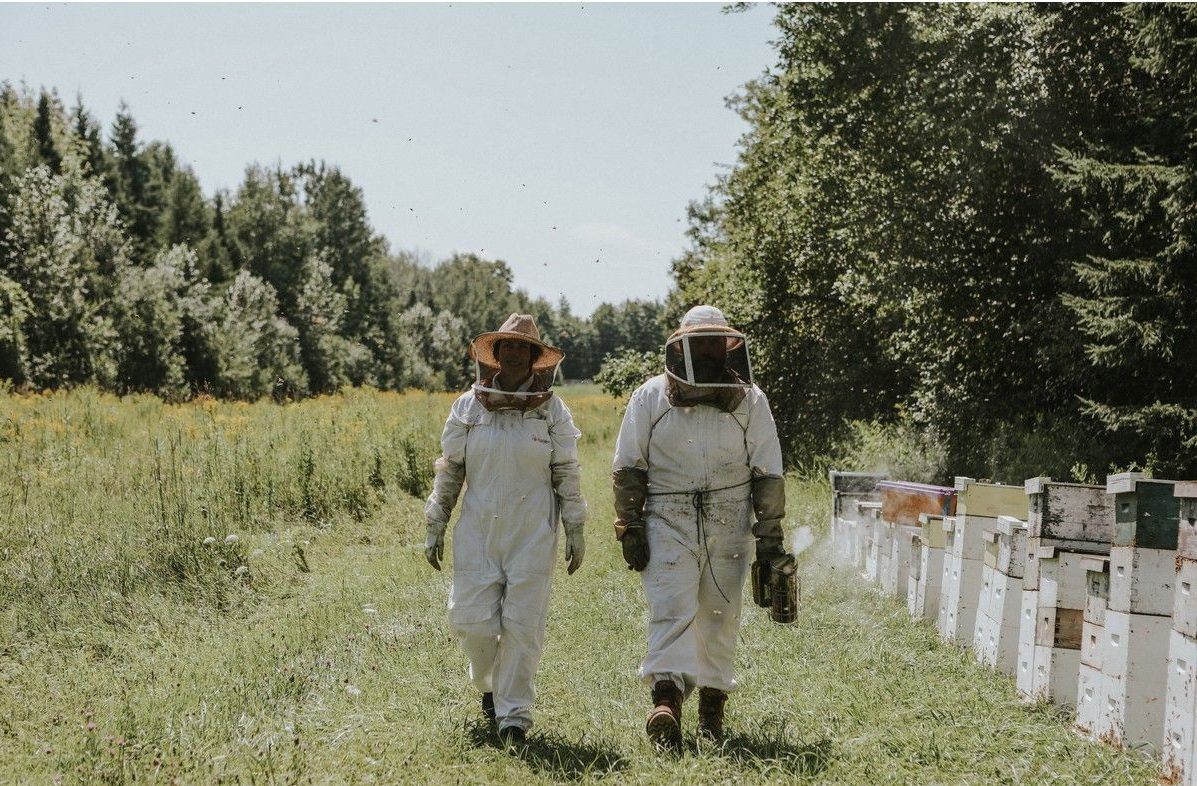
Their beekeeping experience, for example, involves an immersive tour of the property, including opening a hive, spotting the queen, finding eggs and using a smoker. A separate honey-tasting experience led by Glenn, who made several trips to Italy to train as one of Canada’s first certified honey sommeliers, explores how different flowers and terroir give each honey a unique flavour.
Now in their early 40s and parents to one child, Glenn and Gibbs have always cared for the land that supports the bees in hopes of thriving for years to come. “L
and stewardship is basically something we fixated our business on,” Glenn said, noting they were in the final stages of an eco-responsible certification process.
But that vision of the future is now up in the air because of high-speed rail.
“It’s very scary to us from a business perspective,” Glenn said. “We wanted to see this go to 100 years. When we took over the business from my husband’s uncles, that was the goal.”
Related
Our website is your destination for up-to-the-minute news, so make sure to bookmark our homepage and sign up for our newsletters so we can keep you informed.