

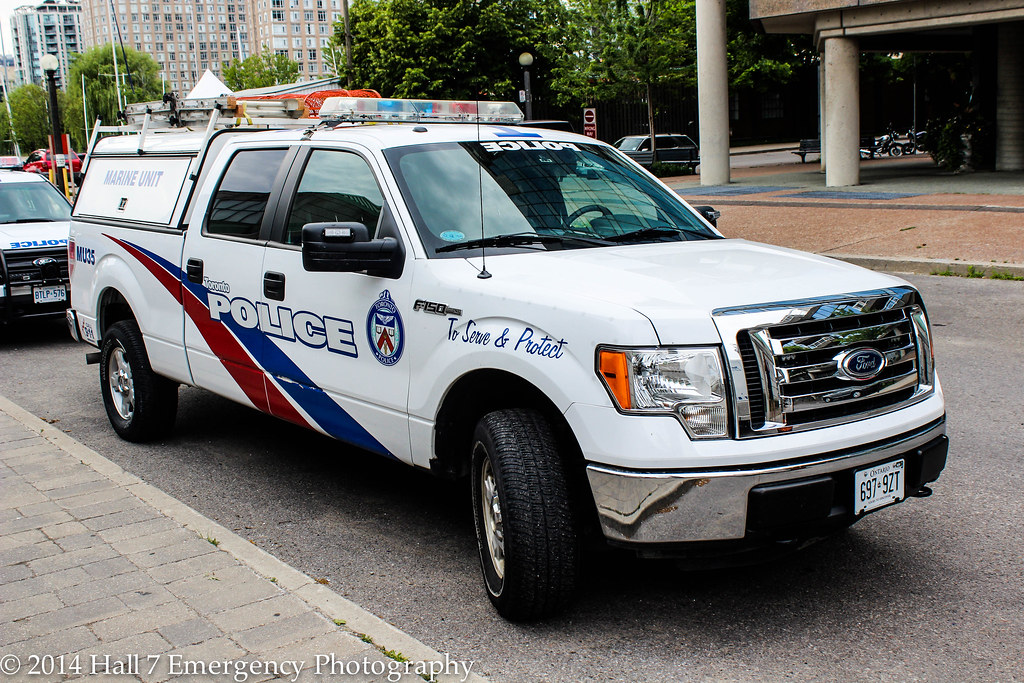
Toronto police say they have identified human remains discovered in the city’s Inner Harbour more than three decades ago, marking the latest breakthrough in a growing effort to resolve long‑standing unidentified‑person cases through advanced DNA technology.
The remains belong to a man named Kevin, originally from Saskatchewan, whose body was found in Lake Ontario on July 27, 1992. At the time, investigators determined the death was not suspicious, but despite extensive efforts, they were unable to learn his identity. Police said Kevin had never been reported missing, though relatives had long feared for his well-being after losing contact with him years earlier.
The case was reopened in 2025 as part of Project 31, a humanitarian initiative aimed at identifying 31 deceased individuals whose remains contained viable DNA. Investigators turned to investigative genetic genealogy (IGG) — a technique that uses DNA profiles uploaded to public‑facing databases to locate potential relatives.
A DNA profile from the unidentified man was uploaded on Jan. 8, 2026. Within five days, police developed a lead suggesting the man could be Kevin. Officers located relatives in Western Canada, obtained a DNA sample from a close family member and sent it to the Centre of Forensic Sciences.
On March 9, 2026, testing confirmed the match.
Kevin’s family has since been notified and provided with details of his burial location. Police say the identification brings long‑awaited answers to loved ones who had spent years wondering what happened to him.
This marks the 10th successful identification under Project 31, which launched in 2022 with the goal of resolving all 31 cases using modern DNA‑based investigative tools.

