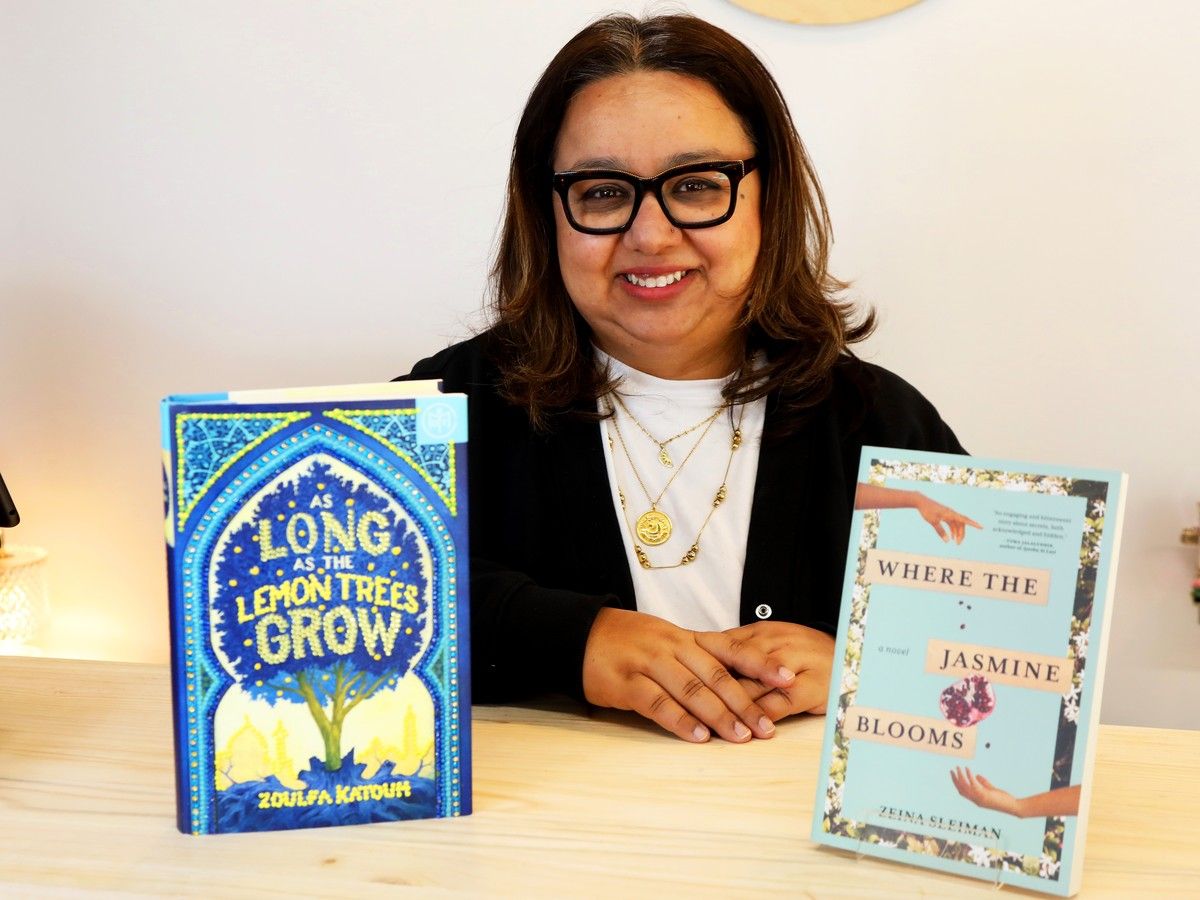
Before Amna Hakim signed the lease on Love Lyla Books, she was an online retailer. For years, she sold a curated collection of books by Muslim authors through her website so she could work around her children’s schedules.
Then last summer she hosted a pop-up at the
Stakt shipping container in the ByWard Market
and what she thought she knew about her customer base changed.
“Eighty per cent of my customers were non-Muslim,” Hakim said. “But, every time somebody walked in, they celebrated my win. I realized I am not just an online shop, I’m actually a communal space.”
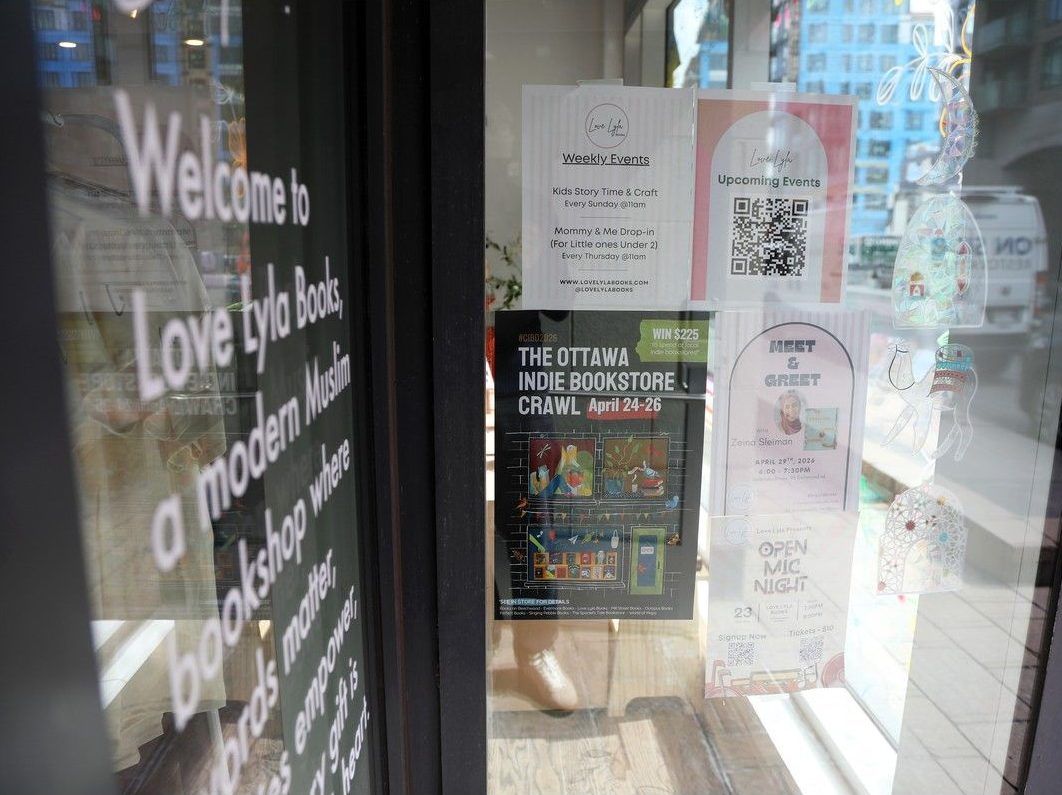
In February, Hakim soft-launched a permanent brick-and-mortar location in Westboro. The shop is named after her young daughter, Lyla, who signs her drawings with affection. It is the first modern Islamic bookstore in Ottawa, a label Hakim uses, but chose not to make the shop’s title.
“I wanted to attract everybody coming in, I wanted it to be inclusive,” she said. “Subconsciously, I guess, I didn’t want to make myself a niche even though it felt like a niche.”
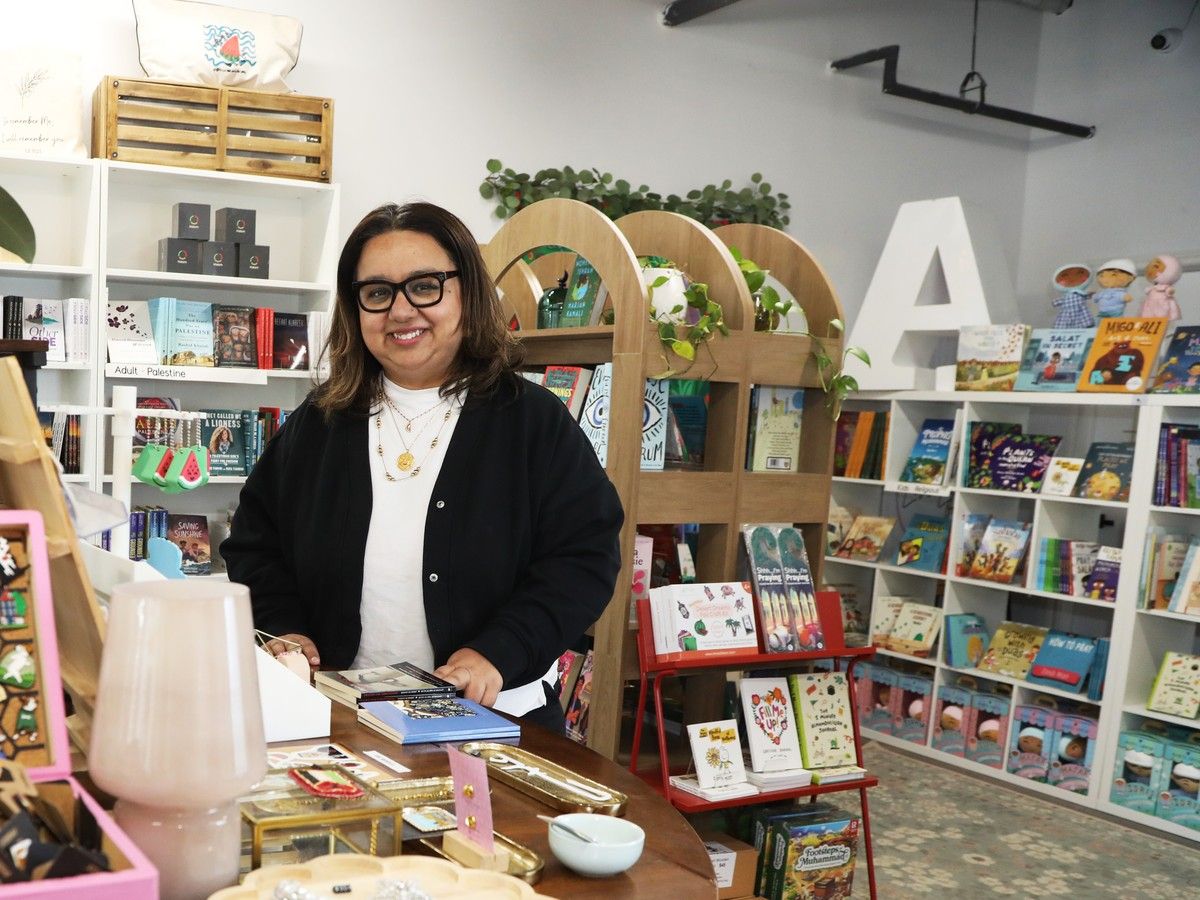
Love Lyla Books is part of a bookstore resurgence a decade in the making after Amazon had independents on the back foot.
Physical bookstores have since reclaimed 53.4 per cent of all print sales in the country, according to Statistics Canada.
The Ottawa Independent Bookstore Crawl, set for April 24 to 26, is a weekend-long campaign that will send readers from shop to shop, and the participating stores map how the market has changed.
Evermore Books
opened in the Glebe six weeks ago, stocking romance only.
The Spaniel’s Tale
in Hintonburg is moving into a larger storefront nearby with more space for events and a bigger selection of trending fiction.
“We are definitely seeing the rise of niche bookstores across the country, and Ottawa is a great example of it,” said Kayla Calder of the Canadian Independent Booksellers Association, who leads the Indie Bookstore Day campaign. “General-interest bookstores are also as healthy as ever.”
CIBA has more than 50 members in a “provisional” category, meaning booksellers in the process of opening stores. Several move into full membership each year, Calder said. The association’s Indie Bookstore Day contest drew 13,000 entries across Canada last year.
“People are looking for opportunities and places to connect,” Calder said. “Indie bookstores are kind of perfect for this because they revolve around conversation. You don’t need a ticket. You don’t need a reservation. You can just go and browse and meet other people with similar interests.”
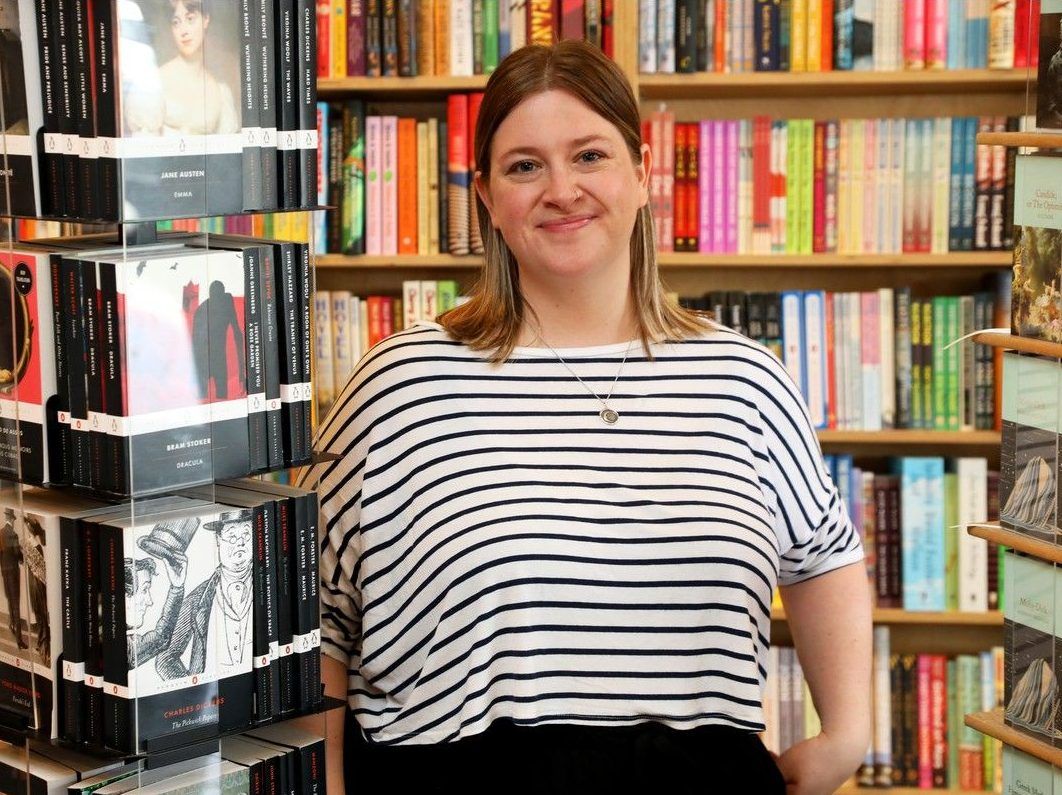
A romance reader may still buy widely at a general-interest store, though a romance-only space provides a stronger sense of belonging. A Muslim bookstore can do the same. So can horror or mystery. “They create even more dedicated spaces where people can feel seen in their reading tastes or identities,” Calder said.
Sales of romance titles in Canada were up 82 per cent in 2024, according to BookNet Canada, the national sales-tracking service for the English-language trade market. Romance held the lead into the first half of 2025, when that category grew a further nine per cent. The rise has been steep enough that a global directory of romance-specialist bookstores logged just one such shop in Canada at the end of 2022, but within three years the count had reached eight with more announced in Victoria, Winnipeg, Grimsby and Halifax.
“Probably in large part due to TikTok and BookTok, romance reading communities that were historically online are really embracing physical connection,” Calder said. “Opportunities to meet in person and get to know the people who like the same things they do.”
The question hanging over the trend is whether it can last, above all in a challenging rental market. Westboro Books, a general-interest shop on Richmond Road, announced in February that it would close for good. The neighbourhood where Hakim opened Love Lyla had just lost a general-interest bookstore.
Calder says rent is the single largest factor behind closures. “Bookstores have no choice if the rent increases beyond what they can reasonably maintain.”

Hakim, for her part, is leaning into community and a customer base bigger than she first expected. All of the books in her shop were written in English by Muslim authors. Half of the books on the shelves are fiction, including Uzma Jalaluddin’s
Detective Aunty
, a Toronto-set murder mystery whose sequel,
Moonlight Murder,
Hakim hopes to launch in-store this spring, and
Where the Jasmine Blooms
by Zeina Sleiman, whose debut historical novel about Palestinian cousins reconnecting in Lebanon was a CBC Radio book of the month. Hakim hosted Sleiman’s Ottawa launch last year.
The children’s section is held to a similar high standard, which in Hakim’s case is personal. If she would not read a book to her kids, she does not want it in the shop. A story about a family camping or a child cooking dinner with a parent may carry no overt lesson; the family happens to be Muslim.
“For a lot of Muslim and multicultural families, we didn’t see ourselves in the books at the library or at our schools,” Hakim said. “Now all of these books are present, and it makes us feel very much included and celebrated.”
Love Lyla began with a children’s book Hakim had been trying to find for her family. In late 2022, she reached the U.K.-based author of
Connecting with Allah
, a poetry collection for young readers, and was encouraged to order 10 copies instead of one and to share them with friends. Hakim went further, putting her savings toward 100 copies. They sold out within weeks. For a time, she said, she was the only source for the title in North America. Customers came back asking what else she could find.
Her grand opening took place earlier in April, and her first book sold, to a customer Hakim had yet to meet, was a translation of the Qur’an, the only copy of the religious text she stocked.
“As a Muslim, you’re supposed to start everything with the name of Allah,” she said. “It was the most beautiful way to begin without any intention put into it.”
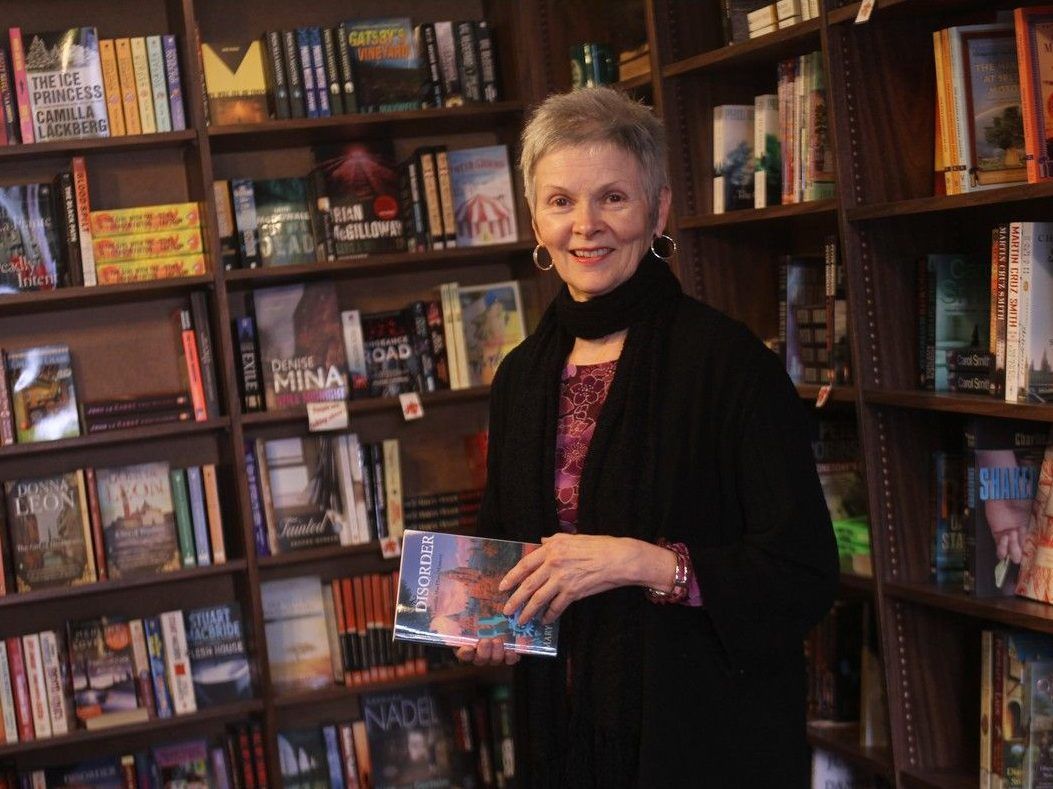
If anyone in Ottawa understands how fast a niche can rise, and how cyclical the bookstore business really is, it is Linda Wiken.
She ran Prime Crime, a mystery bookstore on Bank Street, from 1995 to 2010. She and fellow author Mary Jane Maffini bought the shop from founder Jim Riker, who had opened it roughly a decade earlier.
At the time, Ottawa had two independent science-fiction bookstores, a gay and lesbian shop called After Stonewall and a flourishing mystery community.
“Mystery bookstores were very popular, especially in the States,” Wiken said. “American mystery readers were quite willing to buy anything and pay any amount.”
Prime Crime closed because of Bank Street’s reconstruction, she said. The niche had been thriving.
“I’m a walk-in store, a destination store and there’s no place to park,” she said. “I just thought, ‘Might as well do it gracefully now and get on with my writing.’”
Before the construction project, Prime Crime had all the ingredients that the new generation of niche shops is rediscovering. Cozy chairs and regular events with up-and-coming authors, like Louise Penny, who signed her first novel at the Ottawa store. A neighbourhood police officer even agreed, in character, to “investigate” a staged murder as part of a Great Glebe mystery scavenger hunt the store put on with Irene’s Pub. Customers gathered clues throughout the Glebe and met at Fifth Avenue Court to name the killer.
Regulars would swap titles without needing staff intervention, Wiken said, and on Saturday mornings, when Stuart McLean was on the radio, they would stick around to hear the end of a story.
“They become part of a family, the customers that keep coming back over the years,” Wiken said. “They trusted what my staff and I would recommend. It wasn’t like a retail business where you were trying to push through the door.”
A sales rep from one of the big publishing houses gave her a piece of advice she remembered well. Hang on, the business is cyclical. The big-box era, the rep predicted, would pass.
“He said, ‘You’ll find, in another 10 or 20 years, it’s going to flip around again back to the indies’ court, more or less,’” Wiken recalled. “And he was right.”
Asked whether she feels any pang watching new niche shops open in Ottawa, Wiken’s tone warms. “I’m happy for them. It’s great that so many indies are doing so well.” Then, a caveat. “We’ll have to see how well the niches do, though. It depends on whether enough new authors are coming out to pique people’s interest as well as enough established authors that keep readers coming back for the next book in the series.”
View this post on Instagram
For Calder, the truest marker of a successful Indie Bookstore Day is the sight of a lineup outside a shop on Canadian Independent Bookstore Day, which Ottawa tends to deliver.
“We’d love to see people buying books, but the day isn’t really about purchasing,” she said. “It’s about going into the space, being part of the community. Maybe telling your indie booksellers that you appreciate them. They work really hard, and what they do is a labour of love.”
Want to stay in the know about what’s happening in Ottawa?
Sign up for
Out of Office, the Citizen’s arts and life newsletter
, our weekly guide to eating, listening, reading, watching, playing, hanging, learning and living well in the capital.