

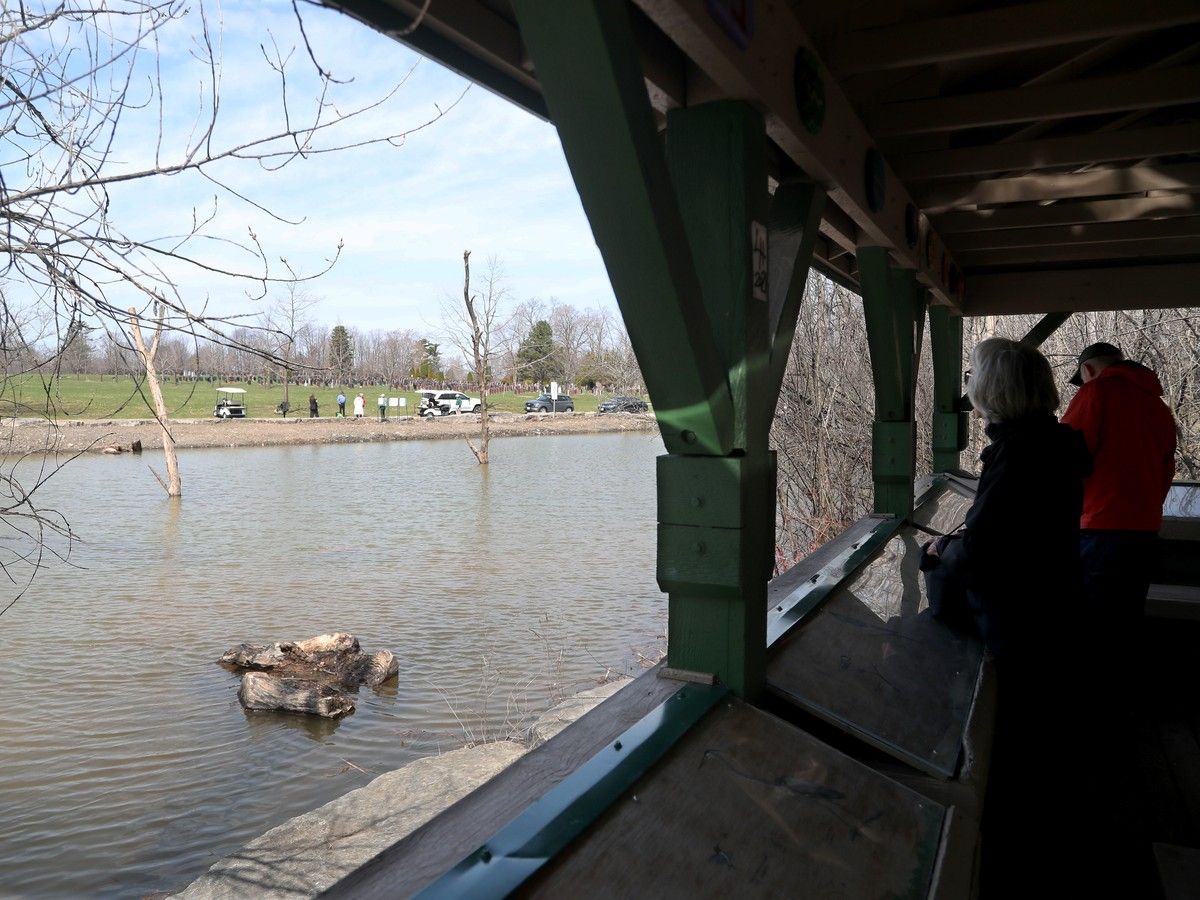
Tucked into the southeast corner of Beechwood Cemetery is the well-loved Macoun Marsh, a wetland known for its variety of wildlife against an urban backdrop.
Over the past three years, the marsh underwent a restoration effort by the Beechwood Cemetery Foundation to improve the overall health of the greenspace — removing invasive species and addressing less-than-ideal water levels.
The foundation used Earth Day to celebrate the marsh’s reopening April 22.
“It’s a place that people really identify with,” said Nick McCarthy, the director of marketing, communications and community relations for Beechwood. “That’s the beauty of the marsh.”
McCarthy said the marsh was never physically closed during the restoration, but that there were some safety restrictions because of the heavy machinery and other hazards in the area.
With the restorative process finally finishing, those restrictions will no longer be there.
“It’ll just be as it always was,” McCarthy said. “We get to open it and celebrate the fact that the marsh has been rehabilitated.”
A few dozen people gathered by the marsh to mark its opening.
Myra Johnson occasionally takes walks through the Beechwood Cemetery, and came by today to see the renewed space.
“When we’ve come before, it was all filled in here with all vegetation, which we thought was okay. We didn’t realize that it wasn’t that healthy for all of them,” Johnson said.
Liz Heatherington, who visits the marsh weekly, said she’s pleased with the work that Beechwood has done to rehabilitate it.
“You can see how it’s going to renew the area for the turtles’ nests,” she said, “It’s a great place to come, of course, and sit and to listen to the birds. And sometimes, you’ll get a fish splashing its tail from the water. It’s lovely.”
The marsh’s water surface had been completely covered by an overgrowth of cattails. Not only did they obscure the water and much of the marsh from public viewing, but they also limited the swimming areas that animals like turtles and frogs could use.

Erika Wagner, Beechwood’s program manager and fundraising specialist, said it was the abundance of cattails that sparked the idea for the restoration back in the summer of 2023.
With the guidance of environmentalists, several layers of cattails were removed — for the most part. Wagner noted they’ve been restricted to the back half of the pond, behind an underwater rock wall, to, ideally, keep them from growing further.
“We’ll only know in the next decade or so if it works,” she said.
Wagner said cattails had benefits — they help minimize the sometimes foul smell of the marsh and are great for bird nesting. However, because they reproduce so quickly, they can easily take over.
Wagner said they also removed some of the invasive species that grew alongside the marsh, such as buckthorn and garlic mustard. They plan to later continue that work in a nearby forested area, where invasive species also dominate.
According to Carleton University Environmental Science Professor Joseph Bennett, it’s not unusual for green spaces in urban areas to need restoration.
“Something that’s in an urban environment is usually more threatened by invasive species just because more people, either accidentally or on purpose, brought them around,” Bennett said.
He said wetlands aren’t particularly common in Ottawa or in cities in general, and conserving the marsh helps it continue to sustain wildlife.
“It’s good to protect (the animals), and so let nature kind of live as it should,” Bennett said. “Biodiversity is really good for people.”
“It’s important that, yes, nature provides us a bunch of services, but it has got intrinsic cultural and spiritual value for people as well.”
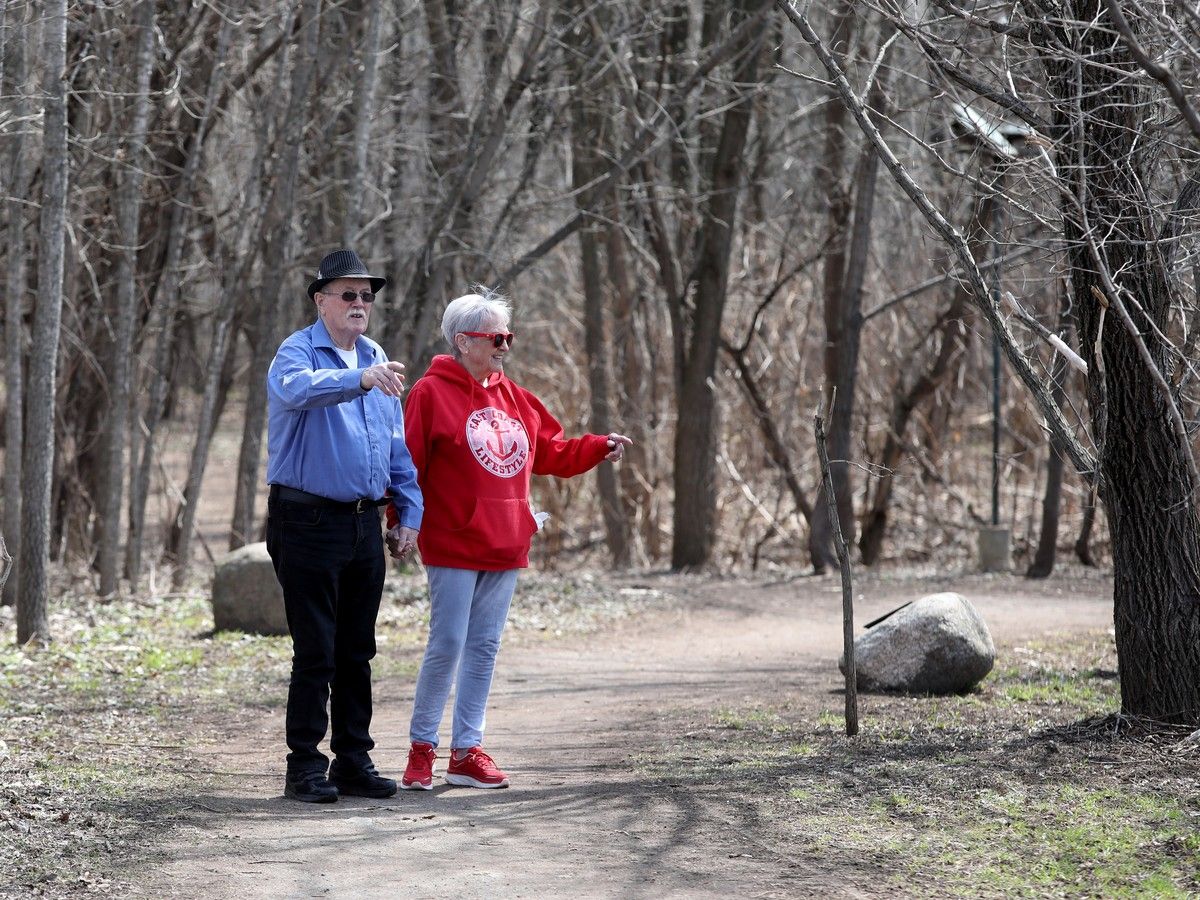
The Beechwood Cemetery Foundation has maintained the marsh since it was established in 2000. Usually, this maintenance is fairly basic — McCarthy said the team will clean up any trash left behind and refresh the cedar chips on the path.
This restoration was the cemetery’s most “extensive” project on the marsh, he said.
“We hope that we don’t have to go in (to the marsh) for 50, 60, 75 years to clean it out again,” MCCarthy said.
A one-year pause interrupted the restoration, McCarthy said, after an Ottawa resident alleged that Beechwood was going to fill in the marsh or destroy it. These claims caused a delay in their funding, and required them to have discussions with the City of Ottawa and other participating organizations.
Destroying the marsh was never the “intention” of Beechwood, McCarthy said.
“(The marsh is) just a unique feature of Beechwood that we’re proud of and that we’ve protected for a long time that we will continue to protect,” he added.
McCarthy said Beechwood is working towards building a green burial section — which would allow people to naturally decompose — adjacent to the marsh.


