

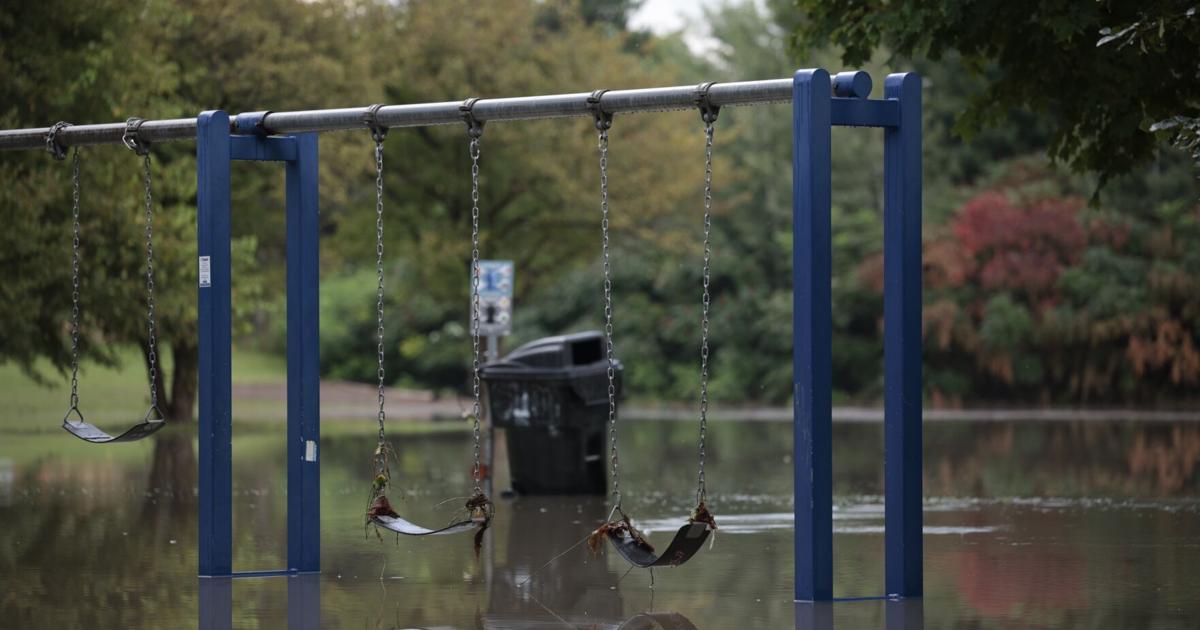
As extreme weather events, including flooding, become more frequent in Canada over time, insurance premiums in Ontario are spiking, according to a new report from Canadian real estate platform Wahi, and insurance-rate aggregator MyChoice.
“Climate change does play a role, obviously, because there’s just more insurance claims and insurance companies are forced to raise rates,” said Vitalii Starov, vice-president of product growth, at MyChoice.
The other issue, he said, is that the cost of rebuilding is rising, due to things like inflation and labour shortages. It all adds up to higher costs for already stretched owners, even as home prices drop in the region.
“Insurance inflation might be pushing out some potential buyers,” Starov said.
The report analyzed insurance premiums across 39 Ontario municipalities from 2024 to 2026, using a standardized profile of a 35-year-old non-smoker with no previous claims, living in a three-to-four-bedroom home.
It found that average premiums had jumped the most in Ajax (26 per cent), to just over $1,200 a year, followed by Markham (22 per cent) and Brockville (21 per cent) in two years. The report also assigned flood risk scores out of five, using publicly available government data called the Flood Susceptibility Index, Starov said, and found that Ajax had the highest at 4.6.
Starov said this is because areas of the city are in floodplains, particularly along the Carruthers Creek and Duffins Creek watersheds, as well as around the Lake Ontario shoreline.
Simcoe County, Muskoka and Haliburton County have been hit hard by recent flooding, and on Wednesday the City of Greater Sudbury declared a state of emergency due to rising water levels.
Toronto has also seen intense rainstorms over the past few years, resulting in flooded roads and playgrounds and, in the summer of 2024 alone, more than a thousand flooded basements. The analysis found Toronto had a flood risk score of 4.3 and an average premium of $1,875, up 12 per cent over two years.
Cities in Northern Ontario had higher insurance premiums, the report noted, but, in general, not because of flooding.
Wahi Economist Ryan McLaughlin said wildfires had a larger impact in the north.
“When I was a young kid, I don’t remember there ever being smoke all summer,” he said.
“Over the past couple years I think insurance providers in the market have sort of repriced, or reanalyzed the risk level and caused a little bit of a bump up there in premiums.”
A 2023 Toronto Star story found that many Torontonians do not know their flood risk, because pluvial flooding — when rainfall overwhelms sewers and drains — is not represented on traditional flood maps. These big rain storms will become even more common with the climate crisis, scientists predict, as a warmer atmosphere holds more moisture.
And it seems to be a topic that’s on many Canadian’s minds.
A recent survey of 1,500 businesses and residents done by First Onsite Property Restoration, and conducted by Angus Reid, found 69 per cent are concerned about climate change driving up the cost of insurance, and 59 per cent are worried that their own coverage is not enough in the face of disasters and severe weather.
The first thing homeowners can do is understand what they’re buying when it comes to insurance, said Jim Mandeville, senior vice president at First Onsite Property Restoration and a disaster recovery specialist.
Coverage for water damage from a broken pipe or overflowing toilet is pretty standard, but you should look closely at your policy to see if it covers flooding and what types.
“Sometimes insurance companies offer what’s called extended water damage coverage, and it’s like a catch all that covers all that stuff,” he added.
There are also things owners can do to reduce risk, like installing a backflow preventer, Mandeville said, “a device on the main sewer line, or the main drain line out of the house that stops water coming backwards.”
It may be a few hundred dollars a year more to increase your coverage or make these changes. But, he said, you’re doing it “to protect the biggest asset you will likely own in your whole life.”
Error! Sorry, there was an error processing your request.
There was a problem with the recaptcha. Please try again.
You may unsubscribe at any time. By signing up, you agree to our terms of use and privacy policy. This site is protected by reCAPTCHA and the Google privacy policy and terms of service apply.
Want more of the latest from us? Sign up for more at our newsletter page.

