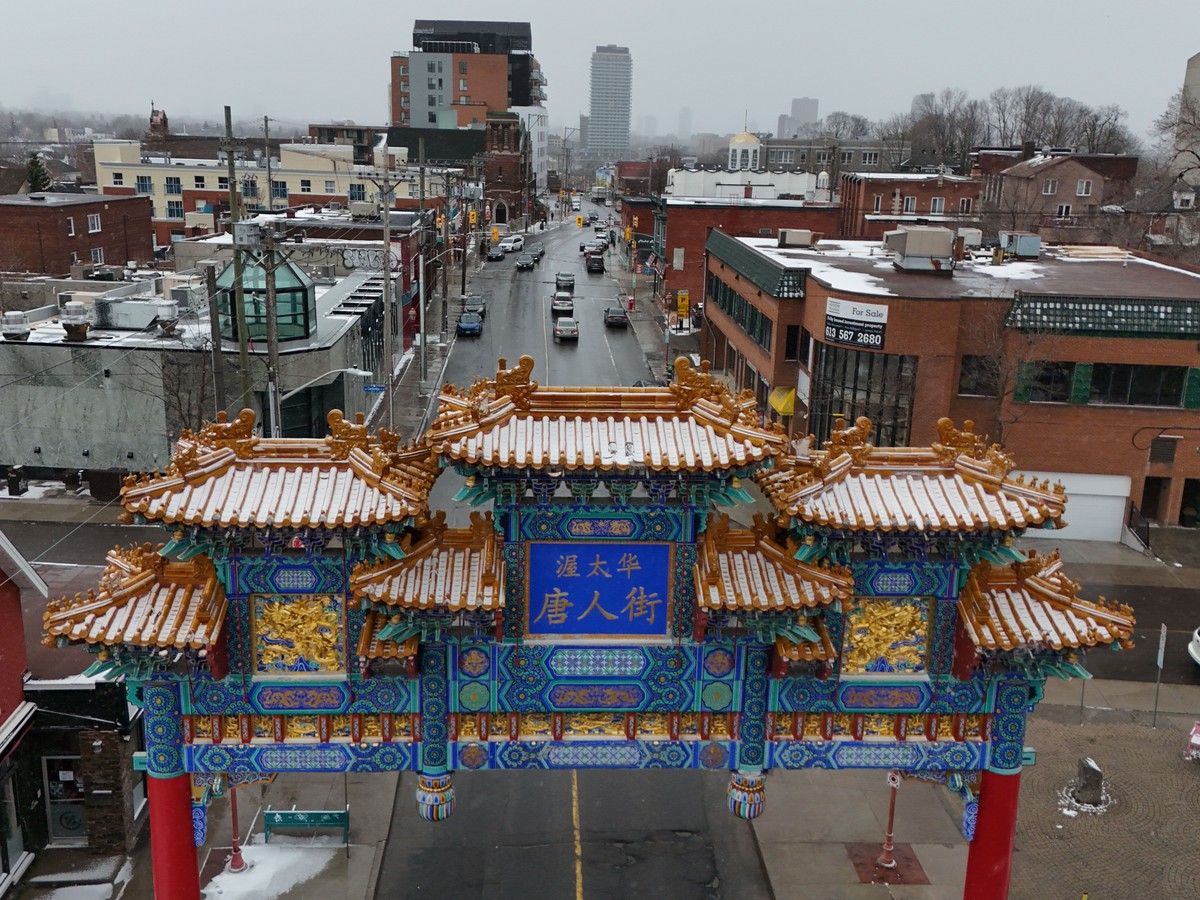
As residents and local businesses push for a stronger police presence in downtown neighbourhoods like Ottawa’s
Chinatown
over
increased safety concerns and open drug use
, some legal experts say policing isn’t the solution.
For many, safety concerns have intensified over the last year following the closure of the supervised consumption site at
Somerset West Community Health Centre
, which has forced drug use out of the facility and
into the open
.
Around the same time as the closure of the supervised consumption site, safe supply clinic
New Dawn Medical
moved into the area and has been facing months of backlash over a sustained increase in crime and safety concerns.
Police databases show an increase in crime in the neighbourhood year-over-year with 6,164 dispatched calls for service in Centretown West in 2025, representing the highest yearly total within the last five years.
So far in 2026, police have reported 37 assaults, one criminal harassment, two robberies, 15 break-and-enters, three car thefts, 84 thefts of $5,000 and under, and 36 reports of mischief in Centretown West as of April 21.
Chinatown isn’t isolated as a neighbourhood in Ottawa police databases, but Centretown West encompasses the area including Chinatown and Little Italy.
Crime, drug use may be bad for business
For Chinatown stores and restaurants, increased crime and drug activity isn’t exactly encouraging businesses to stay in the area. Some shop fronts on Somerset Street West have even put up fences within the last year to protect themselves from theft.
For
Yukang Li
, executive director of the Somerset Street Chinatown Business Improvement Area, an increased police patrol and more visible law enforcement “are both necessary and justified” from a business perspective.
“We continue to see frequent incidents in Chinatown, including theft, open drug use, drug trafficking and at times violent crime,” Li said in an email to the Ottawa Citizen. “A stronger and more consistent police presence plays an important role in improving public safety and restoring confidence among residents, businesses and visitors.”

Amid ongoing safety concerns in Ottawa’s Chinatown neighbourhood, Ottawa police say it is maintaining a “co-ordinated approach” to respond to calls in the area.
“OPS is aware of community concerns related to drug activity in the Somerset Street West area,” a police spokesperson said. “As with all locations, information received from residents and partners is assessed and addressed through appropriate enforcement, investigative, and harm‑reduction‑focused responses, often in collaboration with City and health partners.”
Police say a number of approaches are in effect in and around Chinatown and the broader downtown core, including neighbourhood resource teams, mobile crisis teams and community police officers.
Alternate Neighbourhood Crisis Response (ANCHOR) is also available in the Somerset and Kitchissippi wards as an alternative to dispatching police to mental health and substance abuse crises. The program will expand this summer to the ByWard Market, Sandy Hill, Lowertown, Vanier and Overbrook.
But Li also acknowledges that this problem goes beyond enforcement and involves addressing deeper-rooted issues. It’s a perspective legal experts agree with.
Can police solve the problem?
Legal experts say law enforcement simply won’t work to solve the rise in open drug use and crime plaguing downtown Ottawa neighbourhoods.
“We’ve had almost 120 years of criminal prohibition of drugs in this country, and we still have these problems that you see every day on the street,” said Eugene Oscapella, an Ottawa lawyer and part-time criminology professor at the University of Ottawa.
“Police cannot solve this problem by applying criminal law, and in many ways, it’s unfair to impose that on them, because they’re being asked to solve a problem with a tool that doesn’t work.”
While law enforcement may be able to go in and sweep the area, Oscapella said all it will do is shift the problem elsewhere.
“You can push problematic drug use out of one neighbourhood, but as long as the conditions exist for people to use drugs, people will use drugs,” he said. “As long as we don’t address those underlying causes of problematic drug use, all we’re doing is shifting the problem around and shifting it from one place to another.”
Joao Velloso, a law professor at uOttawa, said increased enforcement will just create more of a workload for police officers, all “with very little outcomes.”
“They may arrest people who are going to plead guilty for possession, and they’re going to get out over the weekend, which isn’t solving any problem,” he said.

Under Canada’s Controlled Drugs and Substances Act, a summary conviction for drug possession has a maximum penalty of a $1,000 fine and six months in jail for a first-time drug offence, though penalties may vary on the type and quantity of the drug. The maximum penalty for possession is set at seven years in prison.
“Targeting possession may sweep things away under the carpet,” Velloso said.
One way police enforcement may be of use in solving these problems, Velloso added, is by targeting drug trafficking to limit the number of illegal, and potentially harmful, drugs circulating on the street.
“It’s a more complex job to do with the potential for more violence, but these folks are getting drugs somewhere,” he said. “They’re not popping up on trees.”
Closure of supervised consumption sites worsens the problem
For Oscapella, many of the problems facing Chinatown stem from the closure of
supervised consumption sites
as the province continues to cut off funding.
And with the
impending closure
of
Ottawa’s last two sites
at Inner City Health and Sandy Hill Community Centre in June, many fear the problem of open drug use is only going to intensify.
“The implicit assumption is that if they don’t have a place to use drugs, they won’t use drugs, which is absolute and utter nonsense,” Oscapella said. “They will use drugs. They will just not have a private, supervised place to do it.”
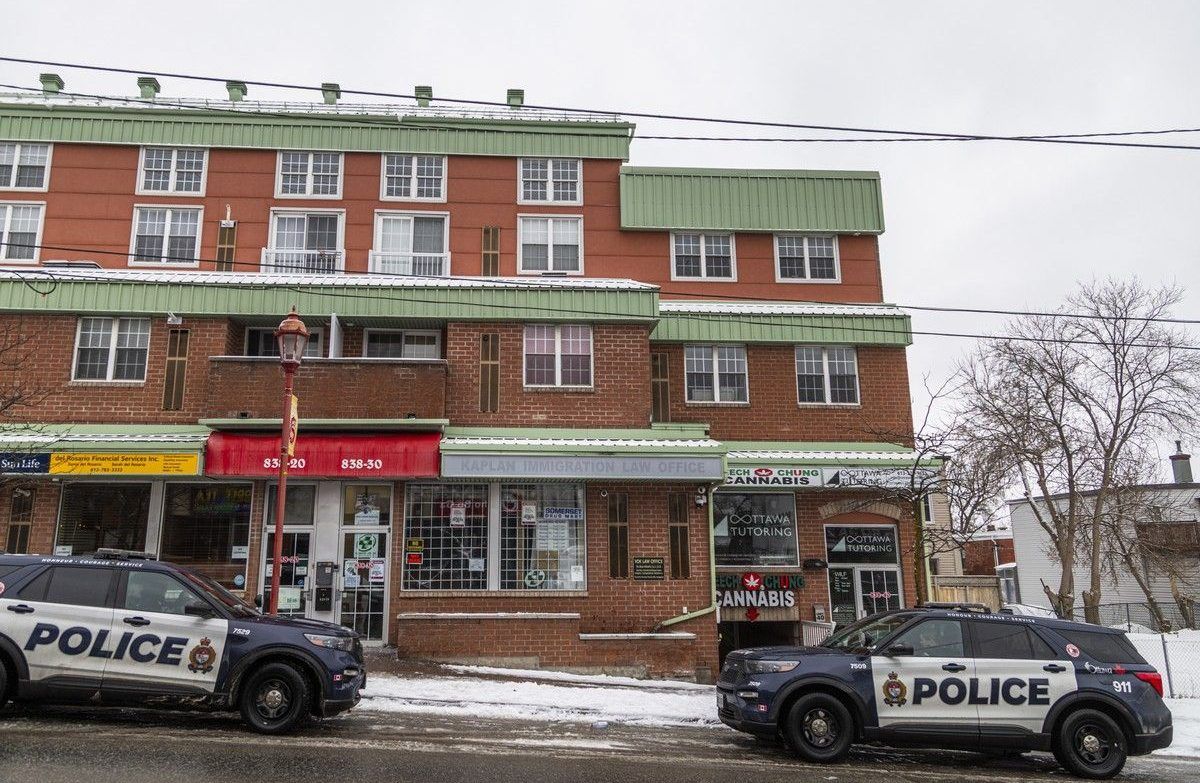
And not only are the closures forcing more drug use on the street, but Velloso said community “hot spots” for drug use around the consumption sites will no longer exist, causing the issue may further disperse throughout downtown neighbourhoods.
And, he added; this also may also pose additional challenges for law enforcement.
“(Drug use problems) tend to be closer to the hot spots, but as the hot-spot bubble explodes and goes everywhere, how is this going to work?” he said.
What are the solutions?
According to Oscapella, open drug use is a public health problem that should be treated with solutions that address the direct roots of why people turn to drugs in the first place.
In many ways, supervised consumption sites were one of the closest avenues to a solution in Ontario as they met people where they were at while offering direct lines of support to housing, mental health and addiction services.
“It isn’t just about giving people a safe place to inject where it won’t be a public nuisance,” Oscapella said. “It’s also about trying to get people stabilized, to help them with some of the conditions that are leading to their problematic drug use in the first place.”
According to a report from the Centre on Drug Policy Evaluation, the Somerset West Community Centre received 43,800 visits from 6,329 unique clients from March 2020 to May 2024. During that time, the facility initiated more than 6,000 referrals to housing and addiction treatment services and reversed 1,728 overdoses.
The Sandy Hill Community Centre initiated more than 37,000 referrals during this same time frame, while Inner City Health at Shepherds of Good Hope (also referred to as The Trailer 2.0) initiated more than 57,000 referrals.

While solutions to mental health and poverty issues have historically been discussed in the longer-term, Oscapella argued they also have to exist sooner.
“Ultimately, long-term solutions have to be short-term solutions, too,” he said. “In a way, it’s a bit of excuse-ology, acknowledging that we’re not going to get adequate mental health treatment quickly. But we need to start on that.”
But, he argued, the longer police are expected to solve the problem, the longer it’ll continue.
“We can’t imprison our way out of the problem, and we can’t prosecute our way out of the problem,” he said. “It’s a public health issue, and the longer we treat it as a criminal justice issue, the longer we’re going to have these problems with drug use.”