

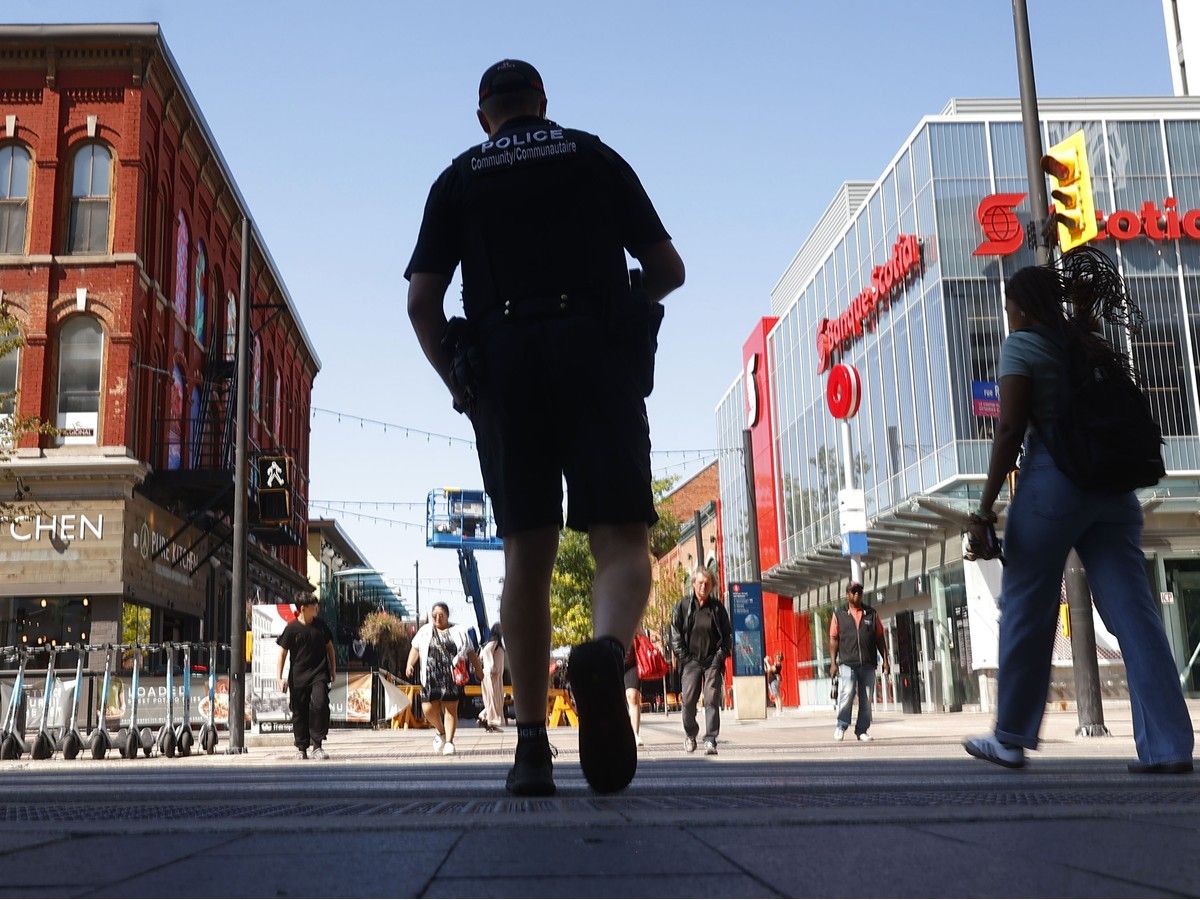
Ottawa police are reporting a significant drop in calls for service in the ByWard Market and Rideau Street area over the past year with an increased police presence and targeted enforcement in known “hotspots.”
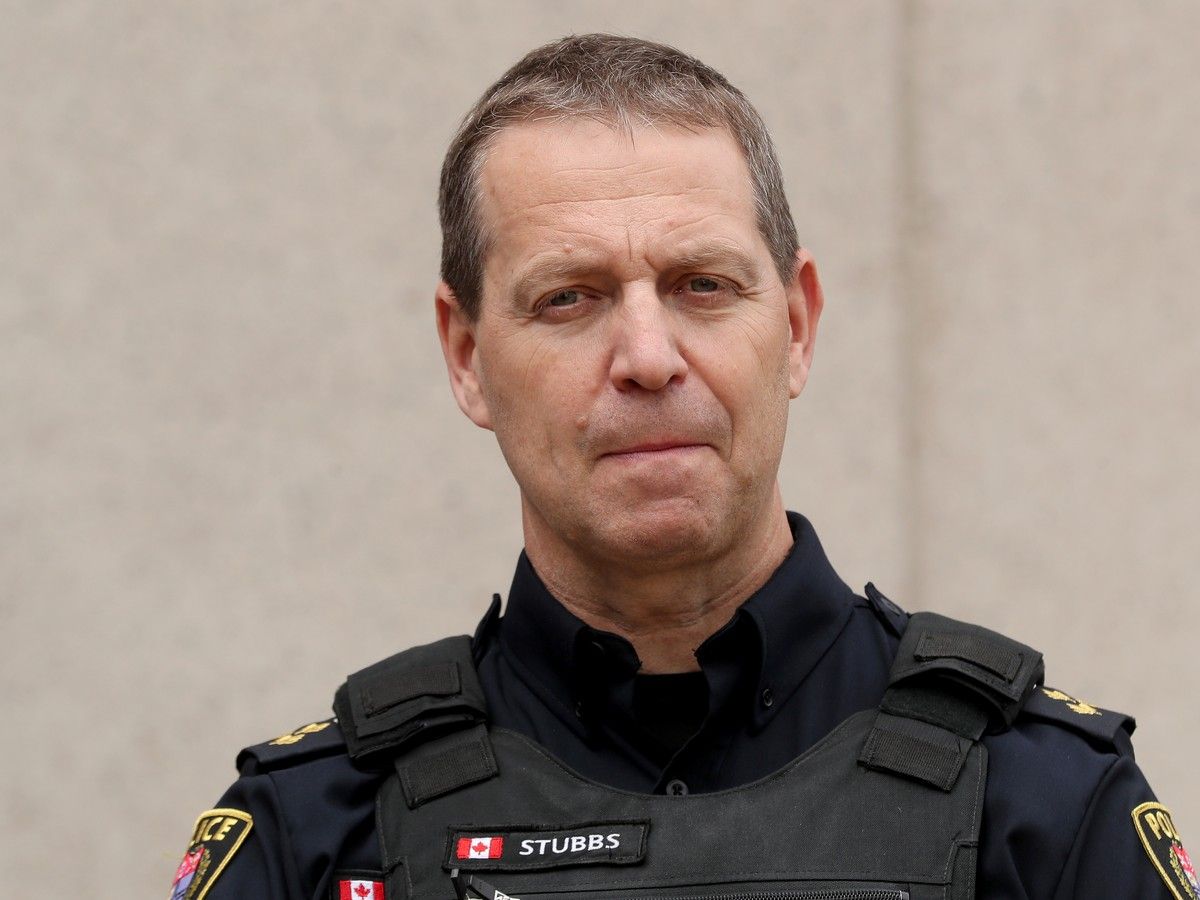
Chief Eric Stubbs credited the downtown CORE (Community Outreach, Response and Engagement) team for a 25 per cent drop in calls for service in the downtown area over the past year.
A similar drop is also being seen in targeted “hotspot” locations as the Ottawa Police Service is set to roll out the second phase of its downtown safety strategy on Friday, May 1, aimed at reducing low-level crime and social disorder in the ByWard Market and Centretown.
“The biggest drops are in substance abuse-related and property-related incidents,” Stubbs told the Ottawa Police Service Board on April 27.
“It’s still early, but a positive indicator,” Stubbs said, with more positive results expected over the coming months following the May 1 rollout of the downtown safety strategy.
The CORE strategy was launched in June 2024 as a “proactive, evidence-based and harm-focused community policing strategy” to address the “unique challenges” in the ByWard Market, Lowertown, Sandy Hill and the Rideau Street corridor.
The strategy integrates city services with support from bylaw officers and housing, public health, transit and public works staff, along with outreach partners, shelters and addiction treatment services.
“Not every call needs enforcement, but every call needs a response,” said Central District Insp. Cory Robertson. “CORE ensures the right resources go to the right incidents, whether it’s the police and outreach team, our mental health teams or other city services.”
Mental health emergencies and drug-related calls “require co-ordination, not just enforcement,” he said.
The second phase of the strategy will expand from the ByWard Market area to targeted hotspot areas of Centretown, Chinatown and the Golden Triangle.
“What we’re seeing is not random crime, it’s repeat behaviour in repeat locations,” Robertson said. “A small number of locations and individuals account for a disproportionate amount of the calls for service.”
The next phase of the strategy will bring staffing “stabilization,” Robertson said, that will facilitate a shift from “reactive policing to planned and targeted deployments.”
The initial phase involved the CORE team gathering intelligence, analyzing data and taking input from officers and community partners, along with businesses, residents and councillors in the target areas.
The second phase, launching Friday, will see targeted enforcement and police presence that is “deployed surgically, not broadly,” Robertson said.
The deployment will be tracked and co-ordinated by the CORE team, which will decide “where, when and with what mix of resources we deploy,” Robertson said, with patrol officers aligned with specialty units and services.
“This plan ensures our presence is purposeful and not just visible.”
Related
Our website is your destination for up-to-the-minute news, so make sure to bookmark our homepage and sign up for our newsletters so we can keep you informed.

