Almost 800 positions at the Toronto public board are on the chopping block — including more than 200 teachers who have received surplus notices warning them they could be out of work come the fall — according to a document filed with the Ministry of Labour.
The termination-of-employment form details the numbers of hourly and salaried positions affected, both union and non-union, by location, and for support staff includes lunchroom supervisors, educational assistants, designated early childhood educators and clerical staff, said John Weatherup, president of Toronto Education Workers CUPE local 4400.
The total of 792 also includes previously announced cuts to vice-principals, educators, support staff and centrally assigned staff. The Star has reported on estimates of teaching positions (289 anticipated) and other staff position cuts totalling several hundred, but the document provides the most clarity to date.
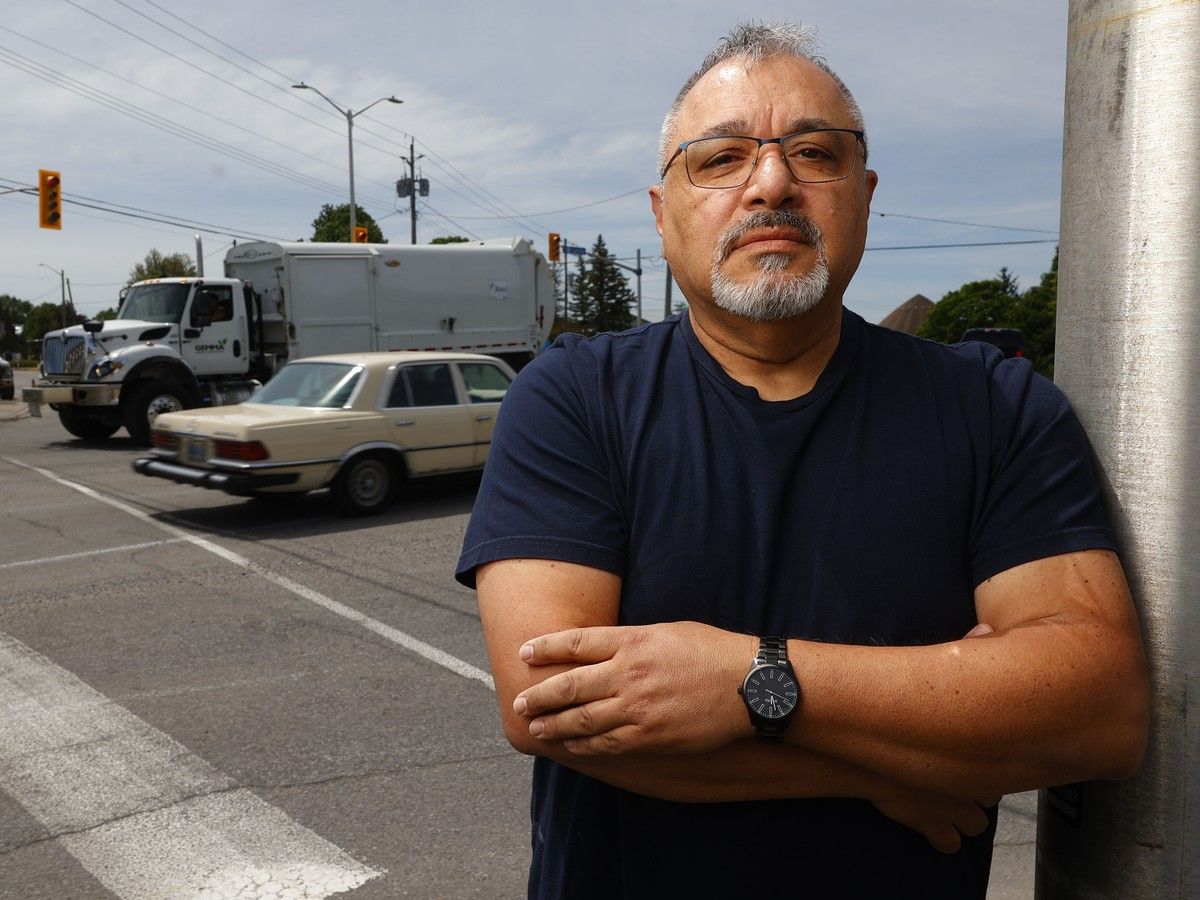
“For the members, losing their jobs, I feel sick to my stomach. And the programs they’re cutting, it’s just terrible for students,” Weatherup said. “They are decimating model schools, outdoor education … everything that makes the school board different.”
Apart from the upset over job losses, he suspects twice as many employees will be forced to relocate.
“There will be people moved across the system,” he said. “There’s going to be bumping, transfers, teachers are going to be moving, (our members) will be moving.”
So far, about 300 elementary teachers have received surplus notices “with no prior notice of consultation,” said Helen Victoros, who is president of the Elementary Teachers of Toronto union local. (Secondary teachers in Toronto are also getting layoff notices, but the number is unknown.)
While it’s unclear how many will actually be unemployed in September, she said “elementary teachers started reaching out to their union, saying ‘what is this?’ and panicking a little bit. It was very shocking.” The exact number of final layoffs in non-teaching jobs is also unclear.
Under collective agreements, boards are required to send out notices of potential layoffs before the end of the school year. But with retirements and amid a teacher shortage, “we are very hopeful that all of the teachers that receive these notices will have their positions next year, because this is absolutely what is necessary for the delivery of a strong public education system,” said Victoros.
The Toronto board, which was taken over by the provincial government a year ago for financial reasons, is in the process of budgeting for next year, and is grappling with at $25 million deficit as well as declining enrolment, which affects per-student funding amounts as well as the number of teachers needed. It has about 41,000 employees in total.
In prior years, there would have been public consultations and a chance for parents and staff to weigh in, added Victoros, but under provincial supervision that has not happened.
(An in-person meeting with the board’s parent involvement committee to go over the budget has been rescheduled to next Tuesday.)
Boards across the province are now setting their budgets for the fall, and at the Peel District School Board, more than 300 permanent teachers — 159 in secondary and 172 in elementary — have been declared surplus for next year.
The Toronto Catholic board is not cutting any teaching positions, but is ending its daytime international language program, affecting 77 non-teacher instructors.
Education Minister Paul Calandra, speaking at an unrelated announcement Tuesday morning at Toronto’s Western Technical-Commercial high school, said declining enrolment is an issue for boards, including Toronto and Peel.
He said in the eight boards the province has taken over, the appointed supervisors are “to look at the funding model. If there are shortcomings … we want to know.”
The Ottawa public board, which is also under supervision, has made $1 million in cuts to administration, which will instead be spent in the classroom, he added, and the Toronto public board is eliminating some outdoor education centres rather than spending money on rebuilding the ones that are “old and outdated.”
He said the government “is spending more money on education than any government in history … It’s $43 billion but what is the outcome of the $43 billion? What does that give to our students? Do our educators have the tools that they need to succeed?”
However, Calandra said “the current system of early notifications, where surplus notices don’t necessarily lead to teacher job losses, should be changed, and I can imagine how frustrating it is for teachers that every year at this time we go through this process where we issue surplus notices before we can actually say who’s actually going to be in the classroom.”
He said he’s “confident that a vast majority … like every other year, will find themselves back in the classroom … (but) we’ve got to find a better way of doing this.”
David Mastin, president of the Elementary Teachers’ Federation of Ontario, said the union would “certainly be in favour of any way of looking at the system to prevent the kind of disruptions that are present,” keeping in mind that “there are obviously seniority considerations” within a school and within a board, “but anything that we could work on together to find a less disruptive system … would be great.”
He said government funding, however, isn’t keeping up with student needs and valuable jobs are disappearing “whether they be teaching jobs, education worker jobs, educational assistant jobs … class sizes are getting bigger, and because this is all driven by a business model.”
One Toronto public elementary teacher with about five years of experience was upset by the lack of communication from the board, which left school-level administrators in the dark and stripped affected teachers of the chance to strategically apply for positions.
“I didn’t know I was going to be on the chopping block,” said the teacher, who asked not to be named as they weren’t authorized to speak. “I might have applied to more, or different jobs, if I had known it was like now or never.”
Error! Sorry, there was an error processing your request.
There was a problem with the recaptcha. Please try again.
You may unsubscribe at any time. By signing up, you agree to our terms of use and privacy policy. This site is protected by reCAPTCHA and the Google privacy policy and terms of service apply.
Want more of the latest from us? Sign up for more at our newsletter page.