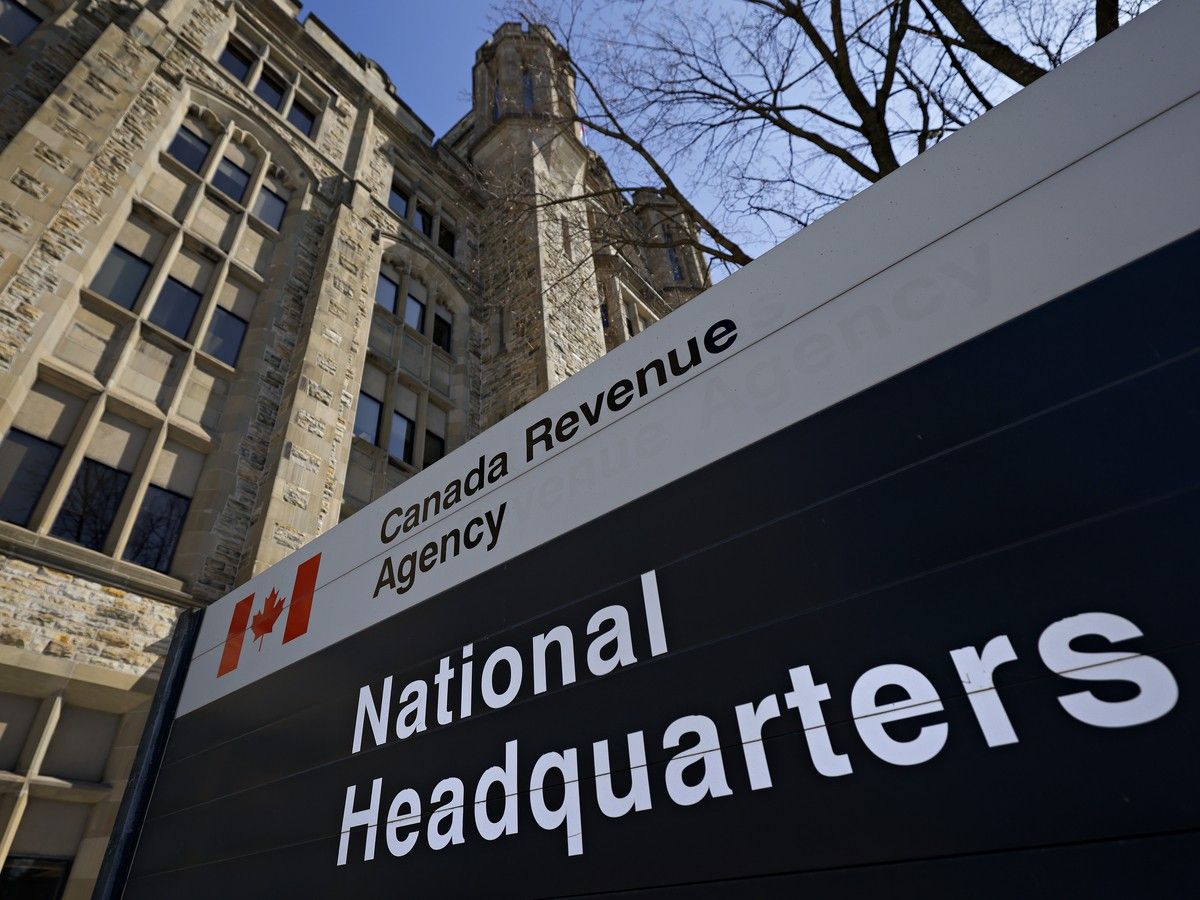
The union representing taxation workers is calling for hundreds more employees at Canada Revenue Agency taxation centres to curtail complex tax adjustment processing delays.
The Union of Taxation Employees made the call following the taxpayer ombudsperson’s June 11 announcement of an examination into processing delays of complex T1 adjustment requests.
The ombudsperson pointed to delays resulting in as many as 47 weeks being needed to resolve complex adjustments, far above CRA’s service standard of 20 weeks.
Taxpayer ombudsperson François Boileau told the Ottawa Citizen that the office launched the examination because it was “swamped” with taxpayer complaints.
In the annual report from the taxpayer ombudsperson, published June 16, Boileau found there had been 3,558 complaints in the 2025-26 fiscal year, the highest in three years.
Boileau said his office hoped to find the root cause and systemic issues resulting in those processing delays, pointing to staffing issues, training, a reliance of non-permanent staff and communication with taxpayers as possible causes.
Marc Brière, president of the Union of Taxation Employees, is calling for hundreds of more employees and more training at the taxation centre to bring about a return to CRA service standards.
Brière call T1 tax adjustments the “bread and butter” of CRA due to how many it received each year.
As taxpayers wait months before they receive their tax returns, it also has “a big impact on a lot of people,” Brière said.
Brière also called for improved training of new employees, especially because CRA relies on non-permanent staff, creating a “yo-yo” effect of hiring and re-hiring as well as an erosion of expertise.
“Why do you let people go when you know it’s going to create a problem?” Brière said.
Brière added that the CRA needed to “make more permanent employment so you’re going to keep the best people,” arguing that more stability would help CRA meet service standards and give more workers a “decent livelihood.”
For Boileau, clearing the processing delays with T1 adjustments could also free up phone lines at CRA contact centres, which also struggled last year.
“It’s a vicious circle in a way,” Boileau said.
In a statement to the Ottawa Citizen, CRA spokesperson Kim Thiffault said the agency was experiencing delays due to “high inventories and volumes carried over from previous years.
“We recognize the importance of resolving these requests as quickly as possible and have taken concrete steps to improve processing times,” Thiffault said. “To reduce current inventories and improve processing times, the CRA will be strengthening operational support by training additional assessors to process requests that require additional information, complex calculations, or review.”
Separate examination launched by ombudsperson
On June 2, Boileau’s office also launched a systemic examination into options available to resolve complaints at CRA.
He told the Ottawa Citizen that too often taxpayers were left scrambling with tax issues, seeking support from their members of Parliament or sending emails to the national revenue minister or even the prime minister.
Boileau said there was confusion for taxpayers when there were both service issues and disagreements with tax decisions.
“Where did you go? Who do you talk to? Is it the service feedback program, or do you go to your MPs, or do you go to the ministers?” Boileau said.
“There are many doors, and the treatment is not necessarily all equal once you get into those doors, and so I just want to make sure that we have a system that will be simple, equitable and that everyone is treated in the same fashion,” he added.
Boileau also provided several recommendations in the annual report, including monthly or quarterly public reports on processing times, a callback feature without the need for an initial call to CRA and expanding the use of artificial intelligence, but with guardrails.
Recommendations from the report also included calls for automatic tax filing for all simple tax situations and modernization of processing time tools.
Related
- CRA managers to have ‘limited’ flexibility in applying four-day-in-office directive
- CRA ending contracts of 250 employees at tax centres three days into 100-day plan to fix call centres