When C.R. Riddell first moved into the basement of a quaint house on Winona Drive near St. Clair Avenue West and Christie Street six years ago, he marvelled at the low rent. Then came an expense he didn’t expect.
At that time, the 44-year-old security guard and novelist owned a car, but he discovered the rental unit didn’t include a parking spot. “Paying the city for a street parking permit got expensive,” he says. “First, it was $125 for six months, but then it shot up to $160.”
Getting rid of his car helped alleviate that financial burden, but it was still a cost he didn’t foresee.
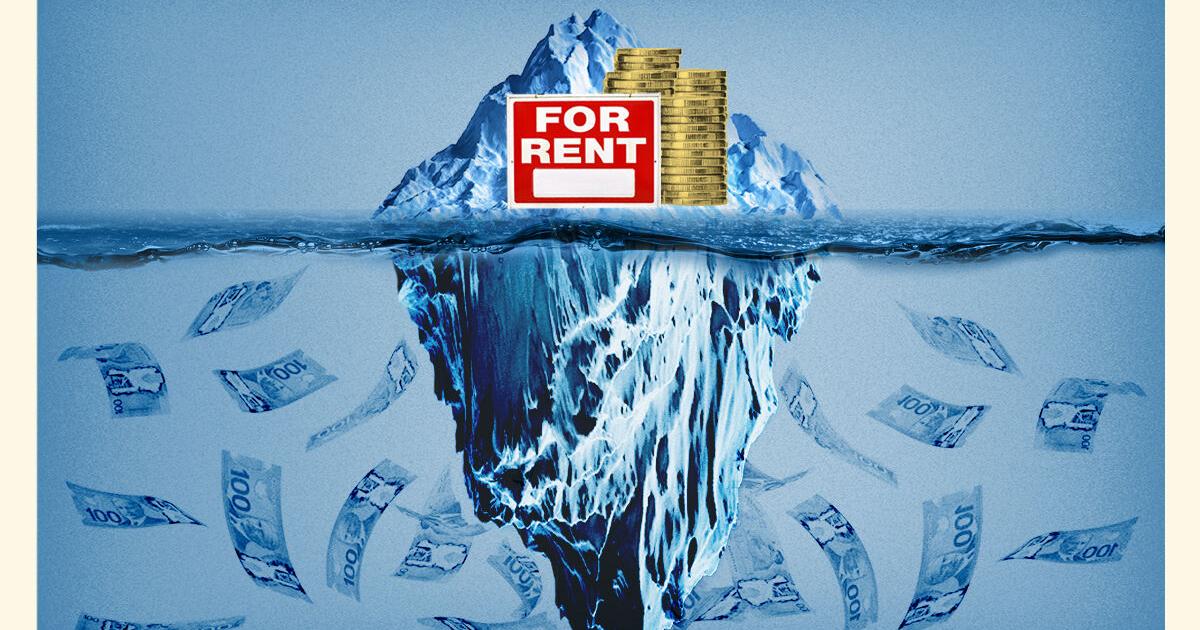
Paying for parking is one of many fees that tenants can incur beyond the monthly rent cheque. From buying portable AC products to soaring utility bills to rent increases, the wallet burn can be painful.
The more renters can be aware of upfront and down-the-road costs of renting a unit in the city, the better they can prepare for those fees, says Kelley Keehn, a Toronto-based personal finance expert and author of “Save More: A New Approach to Thinking about Money and Taking Control of Your Financial Future.”
“It really helps to research what you have to pay and what may add up later,” Keehn says.
How expected fees can fluctuate for renters
It’s no surprise to any renter that they may be responsible for utility bills. Still, be wary of sharp increases to those bills during unusual weather patterns.
When David Clink, a retiree who rents a home in Toronto’s east end, was looking over his utility bill after the recent heat wave, the monthly hydro fee soared to $200 from $115. “When I rented an AC unit, it takes up electricity, and that’s an added cost I didn’t think of,” Clink says.
Riddell also faced his own unexpected fee during winter months, albeit a one-time payment. “I had to buy a space heater when I first moved in because I was wrapped up down there, it got so cold due to a draft that comes in,” he says.
But the most onerous payment he made was $500 for an indoor AC unit due to how steamy it gets in his space. “And if I cook something on my stove, it’s, well, wow,” he adds, shaking his head.
Red flags for renters
When renters have to pay for items beyond what was laid out in a lease, it can “be like a death from a thousand cuts,” Keehn says.
Paying for storage, for example, could be a must-have for someone moving from a larger unit to a smaller space, she says. “In small units, especially if you have a family, it’s not reasonable to expect everything to fit, and some people also cycle through summer and winter gear (such as winter sports equipment),” Keehn adds.
Clink says a head-turning cost to some renters, especially if they’re new to renting, such as university students, is tenant insurance. While tenant insurance is not required by law in Ontario, some landlords may make it mandatory as part of the lease agreement.
“Monthly tenant insurance is something you have to factor into your budget from the beginning,” Clink advises. You can use websites like Rates.ca to compare tenant insurance quotes from providers in Ontario.
Ademofe Oye-Adeniran, the legal services team lead at the Canadian Centre for Housing Rights, says tenants should be wary of red flags if a landlord asks them to pay for particular things upfront. A “pet deposit or a pet fee is illegal in Ontario, and the same goes for a damage or security deposit,” she says.
What is murkier for some tenants, though, is what to do about rent increases.
Rent increases for tenants
Rent increases are the norm in Toronto, but tenants should be aware of their rights.
Ontario establishes guidelines on the annual maximum a landlord can increase most tenants’ rent without the approval of the Landlord and Tenant Board. In 2027, that increase rate is 1.9 per cent.
For that rent increase, landlords don’t have to explain why they’re hiking the rent, but they must give tenants at least 90 days’ written notice before the increase takes effect.
Above-line increases require the landlord to apply for and receive approval from the Landlord and Tenant Board.
Tenants don’t have to take those above-line increases lying down. “If the landlord wants to change the living room chairs from red to purple, and that’s their justification for the above-guideline rent increase, arguably that is something meant to beautify the building, and it’s not a capital expenditure,” Oye-Adeniran says.
Riddell says his rent has increased over the years by the allowable rate, and says tenants should prepare for possible rent hikes so they aren’t blindsided.
Who pays for repairs?
Then there’s the issue of when a landlord asks a tenant to pay for repairs, perhaps for something the landlord accuses the tenant of damaging. “The landlord is responsible for maintenance, and if they want you to pay for something, they have to file an application with the Landlord and Tenant Board,” Oye-Adeniran says.
Take an item as commonplace as a carpet, she notes. “If tenants are asked to pay for a new carpet, they can argue the state of the carpet when they first moved in obviously won’t be in the same condition 10 years later,” she says.
To help tenants avoid hidden fees, lease agreements should be transparent and upfront on what tenants are expected to pay, Oye-Adeniran says. “Every party should know who is responsible for what, and tenants should be reading the agreement closely, making sure the landlord didn’t try to include anything that’s illegal.”