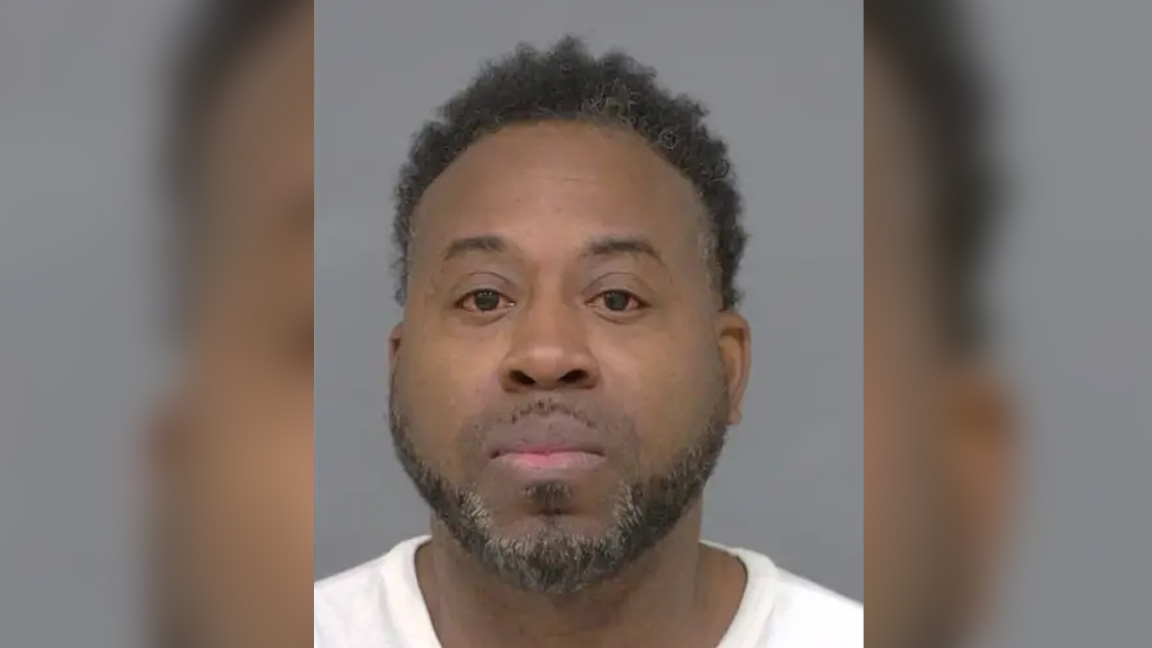
A Saskatchewan MP is laying the groundwork for a new university in northern Saskatchewan.
Desnethé-Missinippi-Churchill River MP Buckley Belanger shared his vision Friday in Prince Albert, Sask., and said the school would play a critical part in creating opportunities for people in the north.
The announcement marks a starting point for the formation of an exploratory process for the establishment of a university in northern Saskatchewan.
The idea is still in the very early stages. But Belanger says this work is a major step forward in rebuilding the north.
“Local university training in the north is what I consider critical infrastructure in rebuilding the north,” said Belanger.
Belanger said any path forward would need to be in close collaboration with the province, northern and Indigenous leadership, plus existing post-secondary institutions.
The exploratory process being launched now brings those voices together to look at what is possible. The expertise of Geordy McCaffrey will be key in that work in the coming months.

Get breaking National news
Get breaking Canada news delivered to your inbox as it happens so you won’t miss a trending story.
He has more than 30 years of experience developing university opportunities for Indigenous students through his work at Gabriel Dumont Institute, the University of Saskatchewan and the University of Regina.
“As an exploratory process, we want to get out and engage with 30 to 50 stakeholders and find out from Indigenous leadership what their thoughts are, what their needs are,” said McCaffrey.
As to what the school could look like to those who attend, McCaffrey pointed out that a university can take on many forms and there are many models.
“A university can start out as an affiliated college as many of our institutions are operating now, where they broker programming from the University of Regina or the University of Saskatchewan. Or you could perhaps be a federated college like we see with First Nations University of Canada operating.”
McCaffrey said as a university matures it can add research capacity, develop its own programing as it grows and its own methods of accreditation.
He said the exploratory process will identify the fields it might specialize in, but there are some professions that stand out because of chronic shortages in the north, particularly in teaching.
“Each year, around this time of year, you start to see Northern Light School Division and other First Nations school divisions, releasing teaching shortage lists, and they are fairly massive,” said McCaffrey.
He said a teacher will often come from another province, stay a year and then move on, leaving a void. He also thinks health care and mining support could be areas the university may look to explore.
Even without the location and type of programming offered, Prince Albert Grand Chief Brian Hardlotte is very excited.
He said many students who leave the north for educational opportunities in the south take on extra costs and other challenges.
“A thing like this, in the north, wow, would benefit the northern people, so they don’t have to leave,” said Hardlotte.
The exploratory process is set to begin in the fall with a final report with recommendations on how to move forward expected before the end of the year.
© 2026 Global News, a division of Corus Entertainment Inc.