

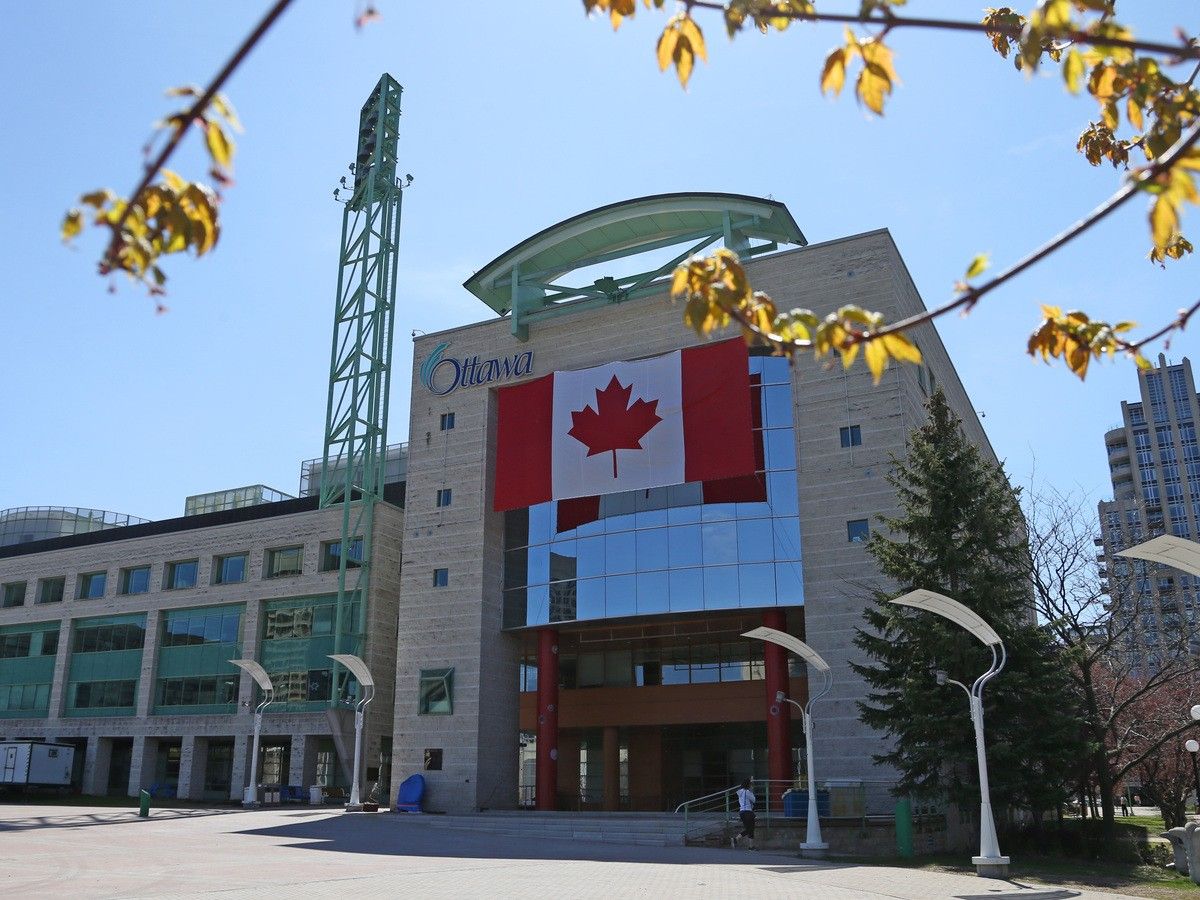
City of Ottawa staff are projecting a budget surplus by the end of the year , though the forecast is partially based on optimistic OC Transpo ridership numbers and analysts are still monitoring the financial implications of the July 1 flooding and new U.S. tariffs.
The city’s chief financial officer, Cyril Rogers, is projecting a budget surplus of $11.16 million by the end of 2026, despite running a $38.5-million deficit through the first six months of the year.
Tax-supported services and departments showed a combined deficit of $40.17 million by the end of June, driven largely by the extra expenses incurred by snow-clearing operations during the winter months.
Winter operations ran a $41.6-million deficit in 2026 as Ottawa experienced 49 “snow days” — well above the previous five-year average of 38 days.
Rate-supported programs reported a surplus of $10.49 million, largely due to savings in staff vacancies and revenue from citywide water consumption that was higher than anticipated.
The year-end forecast includes a projected $3.31-million surplus for tax-supported programs, a $20.2-million surplus for rate-supported programs, while the city’s transit services are projected to be running a $12.35-million deficit by the end of 2026.
“The projected year-end surplus is driven by continued revenue growth, strong performance in rate-supported programs and mitigation measures,” Rogers said, including an ongoing spending and hiring freeze at City Hall and enhanced financial monitoring.

Staff are also monitoring “financial implications related to the severe weather event on July 1 , as well as subsequent weather events and recently announced tariffs,” the city said in a news release.
Ottawa is also facing “unique labour market pressures,” Rogers told members of the finance and corporate services committee on Sept. 1, with a federal government workforce projected to decline by 1.7 per cent each year through 2030.
The city’s unemployment rate is projected to rise to 6.6 per cent by the end of 2026. The unemployment rate was 5.8 per cent in 2024 and 6.3 per cent in 2025.
Consumer and business confidence remains weak, “reflecting disruptive trade flows, tariff impacts, changing gas prices and financial market volatility,” Rogers said.
“These conditions continue to affect our revenues, our service demand, our procurement processes and overall costs and the pace of the economic activity.”
There are still several areas of economic strength in the city, Rogers said, including technology, defence, construction and manufacturing.
Ottawa’s tourism industry saw i ts strongest-ever year in 2025, according to city manager Wendy Stephanson.
“We’re seeing a lot more activity from tourism,” she told the committee. “2025 was really the strongest year ever on record, and 2026, although we don’t have the stats, the anecdotal evidence is that it’s at least as good as last year.”
The city’s transit services, meanwhile, is projected to be running a $12.35-million deficit by the end of 2026, driven largely by revenue shortfalls from “underperforming” ridership levels.
Stittsville Coun. Glen Gower, who chairs the transit committee, pointed out the budget assumptions were based on ridership levels that had reached 82 per cent of pre-pandemic levels in the fall of 2025.
Those numbers plummeted to 67 per cent of pre-pandemic levels in the first half of 2026.
OC Transpo staff said they are optimistic that ridership will increase during the fall with the return to school and return-to-office mandates. Budget estimates were based on the assumption that ridership will average out at 72 per cent of pre-pandemic levels by the end of the year.
“Ridership was significantly lower than we expected in the first part of this year,” said Pat Scrimgeour, director of transit customer systems and planning.
The city recorded some its worst bus-reliability numbers during that period, Scrimgeour said, and had single-car trains running on the O-Train on Line 1 due to a spalling issue that forced many of the trains out of service for repairs in January.
“We had many trips that we weren’t able to deliver because of the aged bus fleet, employment in Ottawa was lower this year than it had been last year, so there were just fewer trips being made and fewer passes being purchased,” Scrimgeour said.
OC Transpo tweaked travel times for eight of its most popular routes over the summer, then introduced new travel times for 22 more routes as part of its fall service schedule, which began Aug. 31.
Scrimgeour said bus reliability and on-time performance metrics are “considerably better now than they were in the early part of the year.”

