

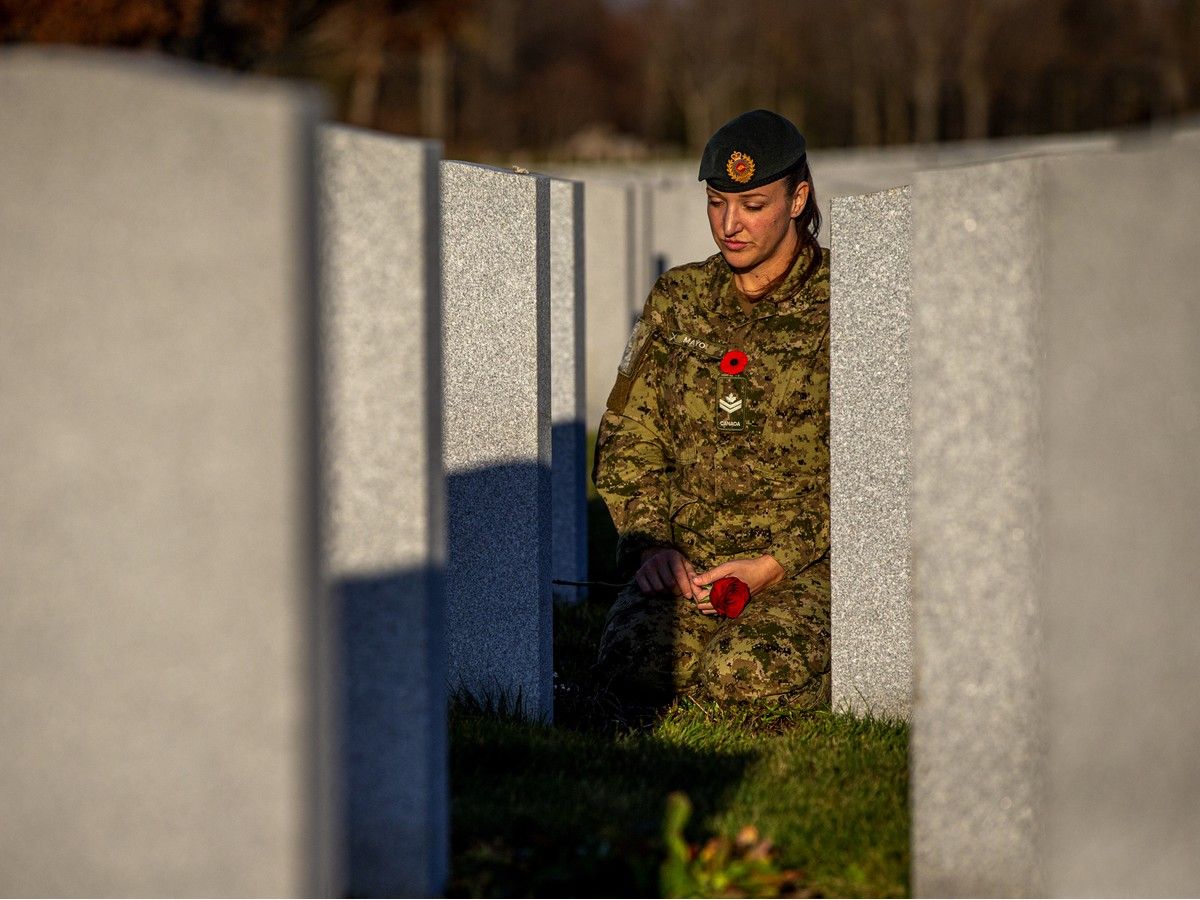
The first thing Caitlin Mayo said to her husband when she visited him at Beechwood Cemetery last week was, “Hey, baby.”
Then she brushed some leaves and other debris off his headstone.
“You’re a mess,” she told him.
It’s been five years since Cpl. Justin Quesnel died, but Caitlin still looks after him, making sure his grave is tidy and the lettering on his headstone is in good order.
Her visits haven’t always been peaceful. Grief has come with sadness, comfort and, at times, anger.
When she talks to him, Caitlin often tells him about their daughter, now 12, and the things she’s doing.
“You’d be so proud of her,” she’ll say.
She doesn’t necessarily believe Justin can hear her. In fact, she doesn’t believe he’s there at all. But she finds comfort in the conversations.
“Even if he’s not listening and it’s just for myself, I still find healing in it,” she says. “It’s a way to decompress. It’s a way to sort through my own thoughts.”
On Remembrance Day , thousands of Canadians will gather at cenotaphs and cemeteries, Legions and classrooms, to honour the men and women who served, and continue to serve, their country.
On Remembrance Day, Caitlin — herself a serving member of the Canadian Armed Forces — will be back at Beechwood, continuing her conversation with Justin, a man she met when they were children, fell in love with years later, and married in a friend’s house in Ottawa.
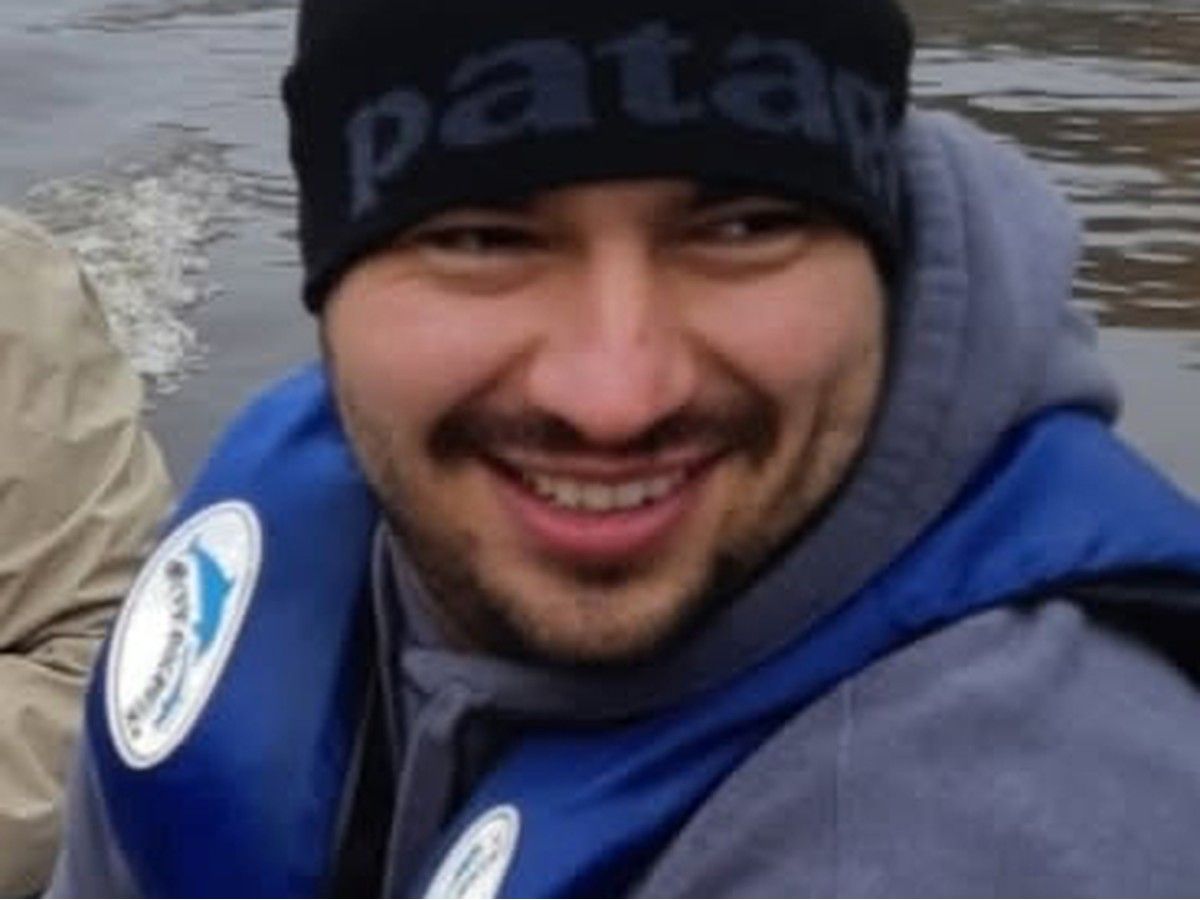
Justin was born in 1986 in Indian Head, Sask., and raised in Winnipeg. He and Caitlin first met in Grade 5 at Wayoata Elementary School, in Winnipeg’s east end.
Justin moved away the following year, and a dozen-and-a-half years passed before they reconnected in 2012, when he messaged her.
Justin had joined the military in search of direction and structure in his life. Previously a cook, he’d spent five years as a mobile support equipment operator before retraining as an electrical technician.
He was partway through his six-month military electrician’s course at CFB Gagetown in New Brunswick in 2013 when the pair decided to marry. Caitlin flew from Winnipeg to New Brunswick to attend his graduation in June of that year. They had initially intended to exchange vows in Winnipeg, but on the drive back, while staying with friends in Ottawa, they chose to tie the knot then and there.
“It was a little spontaneous,” admits Caitlin. “We decided to elope because of the short timeline between his course ending and the posting to Comox.”
Their first dance, in their friends’ living room, was to Norah Jones’s Come Away With Me.
Then they drove back to Winnipeg, packed up their belongings and headed west to Comox, B.C.
They didn’t get around to having wedding photographs taken until two years later, on Wickaninnish Beach, near Ucluelet on Vancouver Island. By then, there were three of them.
It was, in many ways, a military marriage, with the attendant moving, separations and uncertainty.
Justin had deployments to Kuwait, Latvia and Ukraine, and was proud of his work. Caitlin remembers him telling her about a project in Latvia, where Canadian military engineers helped repair an old convent where the electrical systems were in terrible condition.
“He was very, very proud to serve,” Caitlin recalls, “and he took it very seriously.”
But Justin was also a practical joker who could make people laugh, particularly when they needed it the most.
“He was hilarious,” remembers Caitlin. “He was always smiling. People loved him; he just had this energy about him.
“If he saw you were having a hard time or if you were down, he would find a way to make you laugh. He just had a really good way of bringing the group up.”
He was also a devoted Winnipeg Jets fan, a Star Wars enthusiast and a hockey player who, after nearly two decades away from the game, returned to the ice and became one of the team’s strongest skaters.
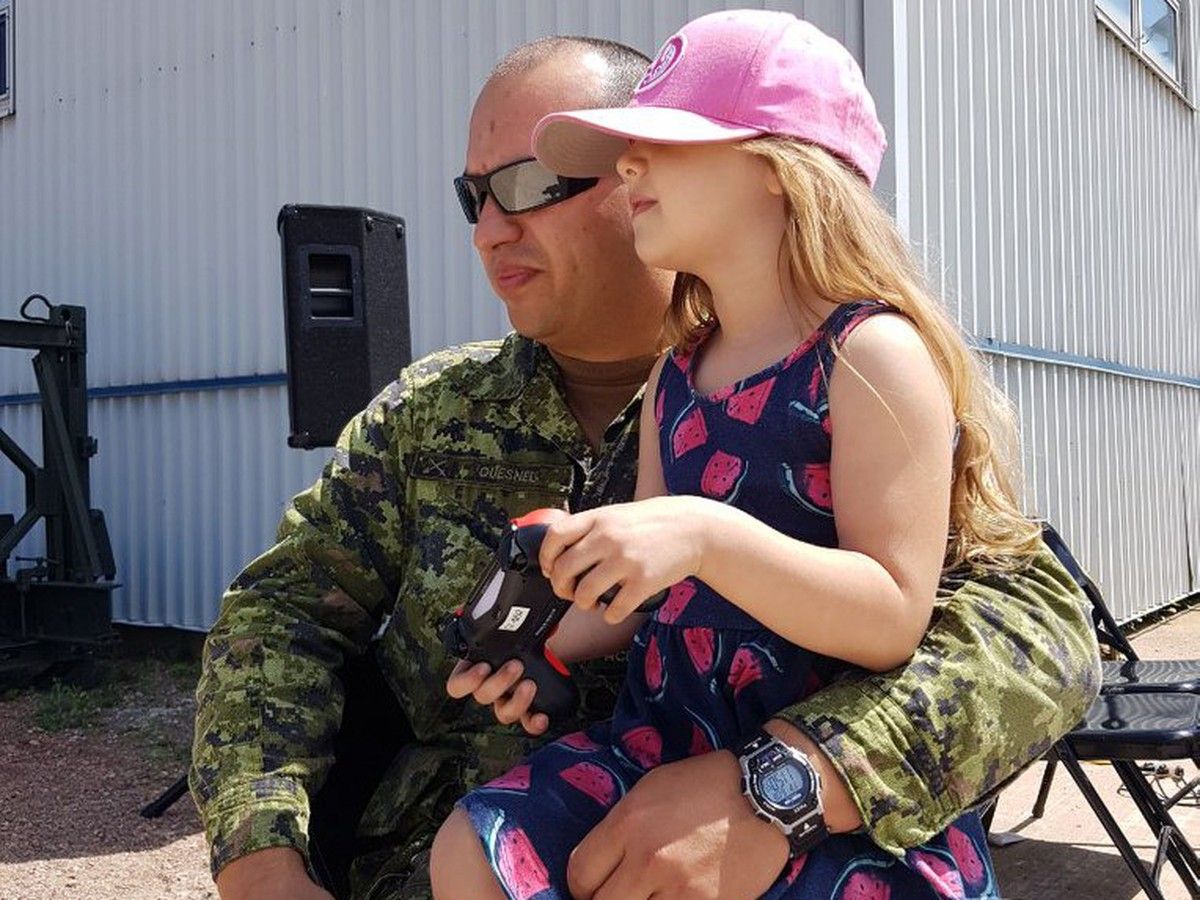
And he was, by Caitlin’s account, an extraordinary father. He and their daughter were “little buddies,” watching movies, playing outdoors and going on bike rides together.
Justin was Indigenous, with Cree and Métis ancestry. After his death, his mother arranged a sweat ceremony in Winnipeg, at which Justin’s Indigenous name — Kâ Pêtat Maskihkîy Nâpêw, or He Who Brings Medicine Man — was retrieved.
The elder at that ceremony, Caitlin says, had a vision of Justin sitting cross-legged, his hands outstretched and fire coming out of his palms. “He was laughing and just happy, and it kind of made sense to everyone who knew him.”
Today, his Cree name is inscribed on his headstone, along with a medicine wheel — the first military headstone at Beechwood to bear the symbol.
“He would have been so proud,” says Caitlin. “He was really starting to identify with his Indigenous heritage and ancestry. He was trying to learn some of the languages.”
His funeral incorporated other Indigenous traditions as well. Family members and friends were invited to make prayer ties — small pieces of cloth containing tobacco, tied with a prayer or good wishes for Justin — to place in his casket.
Caitlin remembers looking at him before the casket was closed, covered in red and yellow prayer ties. And she remembers their daughter, then seven, approaching soldiers moments earlier in the reception area, inviting them to make one.
“Hey, do you want to make a prayer tie for my dad?” Caitlin recalls her asking, and then patiently showing them how.
“I can’t count how many times I looked up, and there were the toughest soldiers you’ve ever seen, bawling.”
The support Caitlin and her daughter received from Justin’s fellow soldiers was extraordinary. “They literally carried us through all of that.”
Five years later, some of them still call or send messages around the anniversary of his death to see how they’re doing.
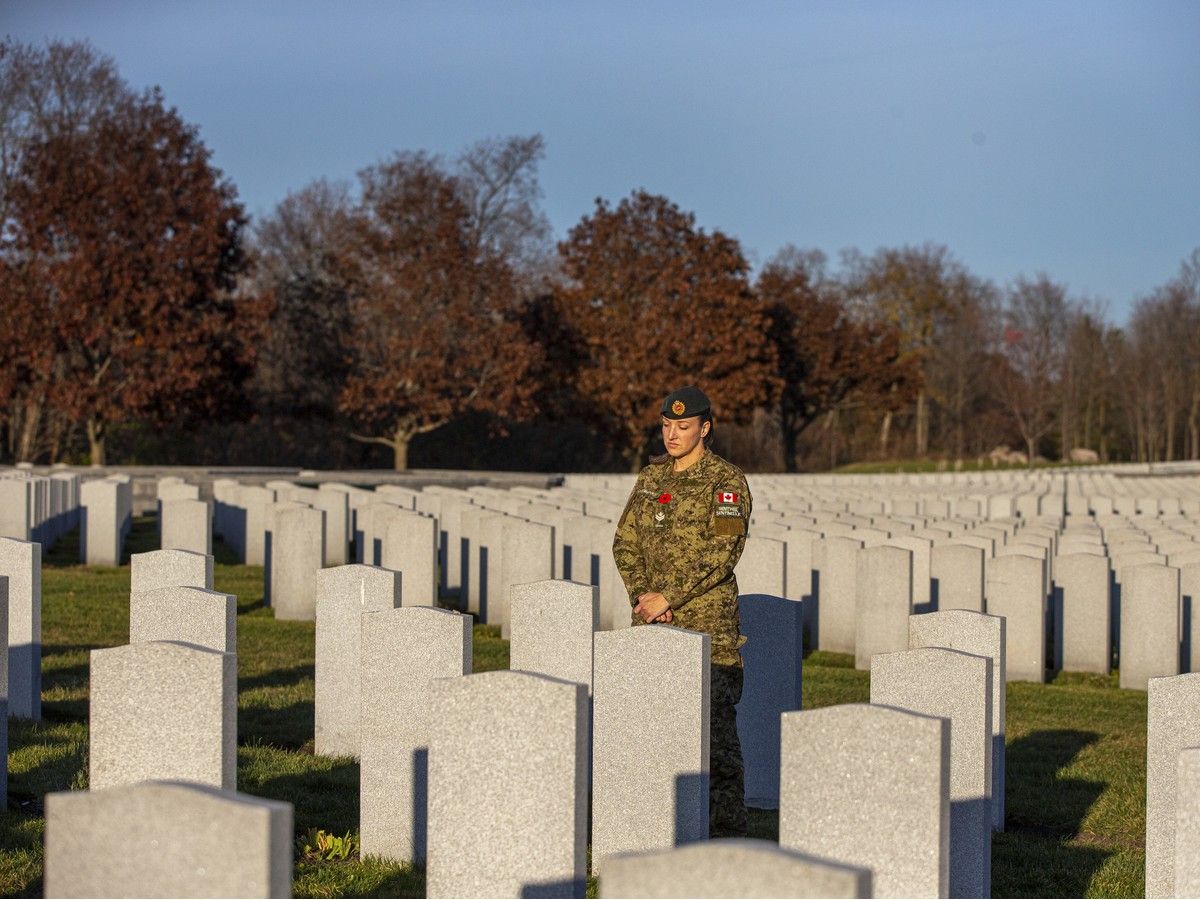
Caitlin remembers bringing their daughter to Beechwood for a Remembrance Day ceremony when Justin was still alive and away on deployment.
Caitlin was in uniform — she joined in 2018. When it came time to salute, her daughter reached up, took her hand and said, “Good job, mommy.”
It’s a memory that still makes Caitlin smile.
This is a difficult time of year, with the anniversary of Justin’s death falling just nine days before Remembrance Day. But she’ll be at his side again on Nov. 11, at his headstone with its military insignia, his Cree name and the medicine wheel he would have been so proud to see.
Take control of your search results. Make the Ottawa Citizen a preferred source on Google and see verified local reporting first.

