

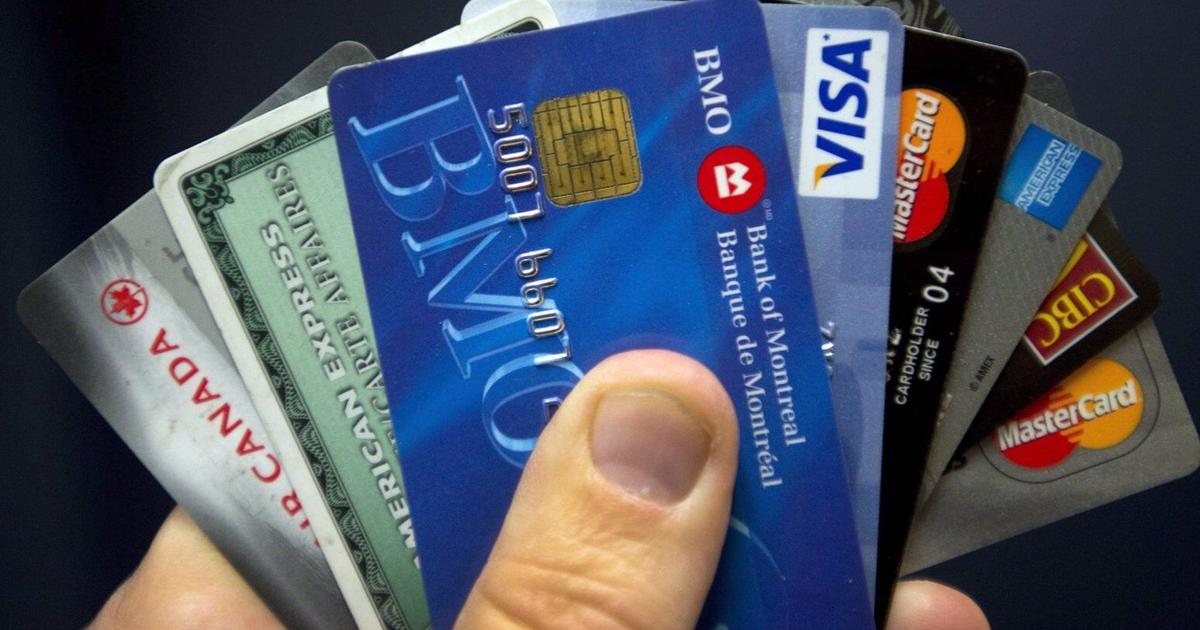
Having a variety of loans could help strengthen your credit score — or harm it, depending on your spending and payment history. But a credit card, car loan and mortgage work differently, making it hard to know how to improve your number.
A credit score ranges between 300 and 900 points. It’s considered a predictor of how likely a borrower is to pay their debt on time and affects a lender’s decisions on loans, interest rates and credit limits. The higher it is, the better it reflects on a consumer.
While some credit products influence your score more than others, experts say what really matters is your individual behaviour with credit — and the algorithms used to calculate the number.
In Canada, Equifax and TransUnion are among the two biggest organizations that collect data on consumer borrowing and provide credit scores to lenders.
“It’s really about what data goes into them and the algorithm, in terms of how they calculate (credit scores),” said Rebecca Oakes, Equifax Canada’s vice-president of advanced analytics.
That’s partly because when lenders bring new products to the market, it shakes up the data being collected and rejigs the algorithm.
“If you go back maybe 20 years ago, we had quite limited mortgage data, so some of the older scores perhaps didn’t take mortgage information into account,” Oakes said. “Now, most credit scores do, so it evolves as more data becomes available or new products come into the marketplace.”
While credit scoring models do care about the kinds of credit products — or mix — you have, it isn’t a dominant factor, said Matt Fabian, director of financial services research and consulting at TransUnion Canada.
He said the credit product mix only typically accounts for around 10 per cent of the overall score.
“A diverse, well-managed mix helps but it doesn’t compensate for late payments,” he said.
Fabian said a greater impact on your credit score comes from your behaviour with those loans. Each kind of loan can be an indication to creditors of the consumer’s spending behaviours.
For example, Oakes said revolving credit products — such as credit cards or a line of credit — sometimes have a higher influence on your credit score.
That’s because it provides better insight how the consumer manages credit on a daily or weekly basis, Oakes said.
If a consumer doesn’t pay their credit card bill on time, statistically, it means they’re more likely to miss another payment on the same or other loans, Oakes added.
She said the debt-to-credit utilization ratio, or the amount you’re borrowing compared with the total credit limit, also matters.
“Keeping that as low as you can, typically ideally below sort of 30 or 40 per cent, that’s going to help your score,” she said. “If it goes too high and you’re getting close to 100 per cent, that can be a bit of a warning sign of some financial stress.”
Meanwhile, instalment loans, such as auto loans, personal loans or student loans, show the ability to manage a fixed scheduled payment, Fabian said. Mortgages demonstrate the ability to manage long-term balance repayment, he added.
“They all have a different inference in terms of how they look on your file,” he said.
Fabian said the biggest impact on credit scores comes from payment history — whether someone is paying on time or how long the bills have gone unpaid. The total amount owed is next, he said.
“This includes the total you owe to all types of creditors or lenders, how much you owe on particular types of accounts and how much available credit you’ve used,” he said.
How long you’ve had credit products also plays a role in the calculations of the score, Fabian said.
Length of credit history measures how long your credit accounts have been active, and factors such as the age of your oldest account, the age of your newest account and the average age of all accounts can all play a part in the score, he said.
Stacy Yanchuk Oleksy, credit counsellor and CEO of Money Mentors, said people shouldn’t apply for too many credit products because it can lower their score — possibly hinting at desperation on the part of the consumer.
At TransUnion, for example, a credit inquiry for a new credit card or auto loan stays on your profile for six years. However, inquiries such as checking your own credit score or pre-approvals don’t affect your credit score.
The only time it doesn’t hurt your score is when you’re shopping for a mortgage, she said.
Oleksy said having a lot of unused credit at your disposal can also negatively affect your score.
If you have an unused $50,000 line of credit, the lender has to consider that amount when you apply for other credit products or a mortgage.
“Even though I don’t owe any money, I’ve got the capacity to get into debt tomorrow with it,” she said.
This report by The Canadian Press was first published March 31, 2026.

