

New research from a team at the
Ottawa Heart Institute
suggests that being in a strong relationship can improve a patient’s recovery from
heart disease
and even protect against it.
Couples’ relationships may be a “key piece in the puzzle” of cardiac disease and recovery — by offering some protection against it and improving outcomes from cardiac rehabilitation, according to a study that appeared in the Canadian Journal of Cardiology.
But the quality of the relationship makes a difference. “Mounting evidence points out that it is not just the presence of such a relationship that counts, but its quality,” according to the study.
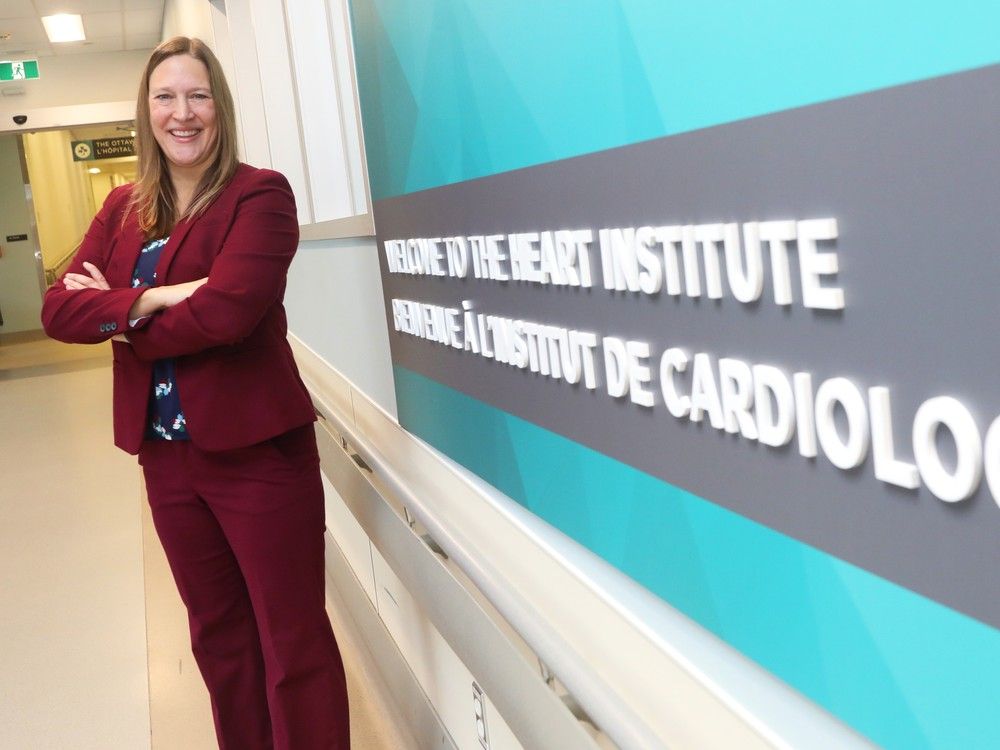
Heather Tulloch, who is a clinical, health and rehabilitation psychologist, scientist, and director of the Cardiovascular Health Psychology and Behavioural Medicine Laboratory at the Heart Institute, was lead author of the study. She said the research pointed to the need for interventions that recognized the partner’s “essential role” in recovery from
heart disease
.
All positive social relationships may protect against cardiovascular disease — and social isolation can have a negative impact. But support from an intimate partner plays an important role.
Tulloch said the research underscored the need to expand traditional, individually focused, cardiac rehabilitation programs to include partners and even to help support couples in distress.
“Heart disease affects the couple, not just the patient,” Tulloch said. “Strong relationships can support recovery, but many couples struggle. We need interventions that recognize the partner’s essential role.”

In the study titled: “What about love?” researchers reviewed research on interventions for patients with heart disease and their intimate partners and made recommendations for cardiac rehabilitation.
The study found that 77 per cent of the couples-based interventions in the review led to positive health behaviour changes, with evidence of benefits for both cardiac and mental health. Few existing programs directly addressed relationship quality, though, which is important to outcomes, according to Tulloch.
She said working with couples and focusing on the quality of their relationship could help with cardiac recovery because partners often helped drive recovery by supporting medication adherence, lifestyle changes, and healthy routines. Including them as a matter of course in care could strengthen emotional adjustments and long-term health outcomes, according to the Heart Institute.
The study said including spouses in cardiac rehabilitation was like fitness in that it was “an important driver of cardiac benefits.” Even cardiac rehab programs with limited staff and resources might be able to integrate partners into their programs, the study suggested.
The inclusion of intimate partners in cardiac rehabilitation is something that is being studied as part of a randomized control trial now underway at the Heart Institute, Tulloch said. The program is called Healing Hearts Together.
The clinical trial includes a focus on relationship quality as part of cardiac rehabilitation.
Previous research has shown that higher relationship quality is correlated with higher survival rates and reduced symptoms of cardiovascular disease, Tulloch said.
In her own work, Tulloch said she quickly learned that cardiac events didn’t just happen to patients, they also happened to their family and particularly their partners.
“Let’s include these partners into things like cardiac rehab and assess their relationship quality. Let’s assess that relationship for distress and see if we need to help them,” she said.
As part of the program being studied in a clinical trial at the Heart Institute, couples are offered tips to enhance their relationships, help with communication to cope better and to assist both the patient and their partner in managing their health.
Early evidence showed the program helped patients coped better with stress and had improved mental health. The clinical trial will examine whether the intervention impacts cardiovascular outcomes.
Tulloch said the Heart Institute was also developing information sessions on relationship quality and heart health and some tips for patients and their partners.
Our website is your destination for up-to-the-minute news, so make sure to bookmark our homepage and sign up for our newsletters so we can keep you informed.

