

Canada’s food prices are rising faster than in other major economies, prompting some experts to describe the country as the “food inflation capital of the G7.”
Statistics Canada reports food prices rose 6.2 per cent over the past year, the highest level since 2023. That increase is roughly double the rate seen in the United States.
Rising grocery costs strain households
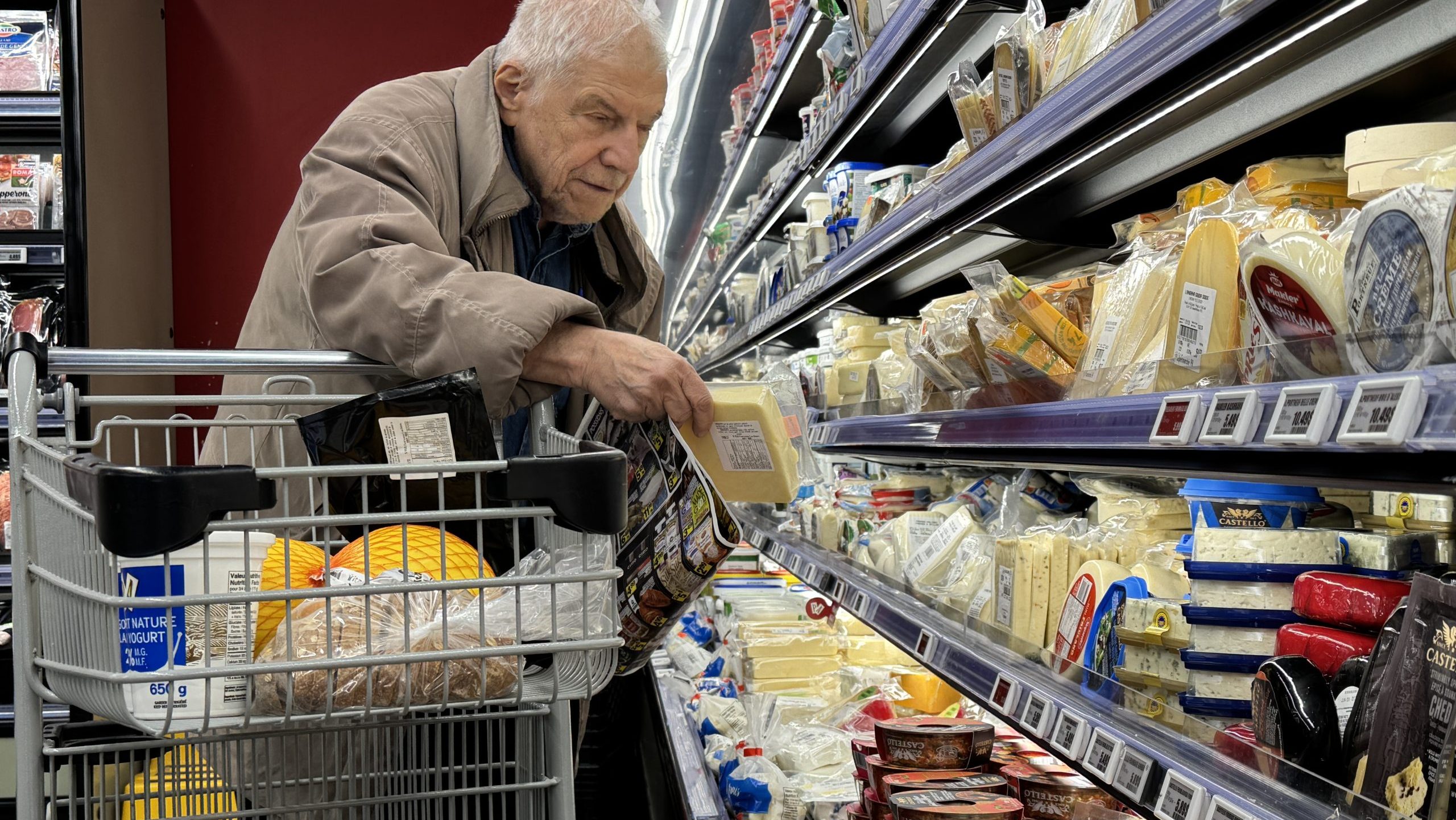
Many Canadians say the rising cost of groceries is changing how they shop. Some are buying cheaper items than they did years ago, relying on sales flyers, visiting multiple stores, or reducing portion sizes.
“I’m buying stuff I used to buy in college and I’m in my mid-30s now,” one shopper in Montreal said. Another held up a sales flyer, calling it their “bible” for finding deals.
Grocery store prices increased five per cent over the past year, while restaurant meals rose 8.5 per cent. Consumers report smaller portions and more comparison shopping to manage costs.
“Yeah, yeah, I would say that,” one customer said when asked if portions had shrunk.
“I’m using more stores now just to get better prices,” another said.
Another shopper called rising food costs “a scandal,” adding that eating is, along with having a home, “the most essential need.”
Canada leads the G7 in food inflation
Experts say those numbers are troubling on their own, but become even more concerning when compared with other G7 countries.
“It is absolutely unreal to see the U.S. with a food inflation that is half ours with a tariff-happy president that they have,” said Sylvain Charlebois, director of Dalhousie University’s Agri-Food Analytics Lab.
“Canada is now the food inflation capital of the G7.”
Statistics Canada says some of the sharpest increases came from everyday staples. Coffee prices rose nearly 30 per cent compared with last year, while beef prices climbed just under 17 per cent.
Consumers say those increases are forcing difficult choices. “There’s a myriad that I’ve stopped buying, mostly meat, beef,” one said.
“I just picked up a cauliflower and realized that it’s $4.99,” another said.
Others pointed to dairy and eggs as items they now avoid. “I definitely avoid cheese now, and dairy products,” one customer said. “Eggs, tremendously. I mean, really,” another added.
One shopper who said they avoid American products described the situation simply: “It makes me feel quite terrible.”
GST holiday and global factors influence prices
Statistics Canada says last year’s GST holiday contributed to higher prices, particularly on items such as snack foods, chips and candy once the tax break ended.
American tariffs, geopolitical conflicts such as the war in Ukraine, and broader global supply pressures have also played a role.
“The main story for food is almost always weather,” said Andrew Barclay, a senior economist with Statistics Canada’s consumer price division. “It’s only recently that we’ve kind of seen geopolitics get involved.”
Charlebois said food inflation would have been around 4.2 per cent without the GST holiday. “There’s greed, absolutely. I do think that this is something we also need to think about with grocers,” he said.
Transportation and infrastructure add to costs
Experts say food prices reflect not only what consumers buy, but how those goods move through the supply chain.
Transportation challenges can push prices higher, and Canada still faces infrastructure shortcomings. “With railways, there’s derailments. (Our) ports are the least effective in the world,” Charlebois said.
“We’re not looking at a temporary or cyclical issue here. It’s structural,” he added.

