

Slang words reigned supreme in 2025, with new terms flying left and right across the internet faster than ever before. Much of Generation Z’s slang continues to originate online—just not from the same corners of the web their parents frequent. According to an Unscramblerer spokesperson, platforms like TikTok, Instagram, gaming streams, and meme-driven communities are the primary engines behind today’s evolving vocabulary.
“Popular slang in 2025 continues to be heavily influenced by TikTok, Instagram, gaming, streaming, and Gen Z and Alpha online communities,” spokesperson Randoh Sallihall explained in an email to USA TODAY on Oct. 5. “Trends from social media spread rapidly via memes and viral challenges. Fueled by technology, our language adapts to new slang trends more rapidly than ever.”
Here are some of the most popular terms of 2025.
67 (also written as 6-7)
One of the most searched slang terms of 2025 was “6-7,” often typed simply as “67,” despite having no literal meaning at all. According to data uncovered by Unscramblerer, the term represents a wave of absurd, brain-rot-style humor that thrives on randomness and irony. The phrase gained traction through a Skrilla song—best played at low volume in mixed company—and a viral video featuring NBA player LaMelo Ball talking about being six feet, seven inches tall. Online, “6-7” is used as a reaction or punchline rather than a definition-based phrase, symbolizing how Gen Z humor often prioritizes vibe and shock value over clarity or logic.
Touch Grass
“Touch grass” remains a staple insult-turned-advice phrase in 2025, used to tell someone they are overly online, out of touch with reality, or taking internet discourse too seriously, according to Merriam Webster. While it can come across as dismissive, the phrase also reflects a growing awareness of digital burnout and screen fatigue. In many cases, telling someone to “touch grass” is shorthand for encouraging them to step outside, log off, and reconnect with real life, even if it’s delivered with sarcasm.
Gerrymander
Though not new, “gerrymander” surged in slang-like usage in 2025 as political content became increasingly mainstream on social media. Younger users began using the term more loosely, applying it beyond voting districts to describe anything that feels unfairly manipulated or rigged. Whether referencing school rules, corporate policies, or online moderation, “gerrymander” evolved into a shorthand term for systems perceived as intentionally skewed in favor of advantage.
Tariff
“Tariff” unexpectedly entered everyday slang conversations in 2025, largely due to ongoing political debates, global trade tensions, and rising consumer prices. By definition, A tariff, simply put, is a tax levied on an imported good. But online, the word is often used sarcastically or exaggeratedly to blame price hikes or shortages on larger economic forces. Memes joking about tariffs turned a traditionally dry economic term into a symbol of frustration with inflation and financial instability.
Matcha
Matcha continued its rise from trendy drink to full-fledged lifestyle slang in 2025. Beyond referring to green tea, “matcha” became associated with wellness culture, aesthetic routines, and a certain calm, curated online persona. Saying something is “very matcha” often implies that it’s soothing, minimal, or aligned with soft, intentional living, a reflection of how food and drink trends influence digital identity.
Rizz
“Rizz,” short for charisma, maintained its popularity in 2025 as a defining term for social confidence and charm, particularly in romantic or flirtatious contexts. Popularized by streamers and content creators, having “rizz” means knowing how to talk, joke, and connect effortlessly. The word has expanded beyond dating, now used to describe anyone who navigates social situations smoothly, whether online or in person.
Rage Bait
“Rage bait” became an essential term in understanding internet culture in 2025. It refers to content deliberately designed to provoke anger, outrage, or heated debate to drive engagement. As users grew more aware of algorithm-driven platforms, calling something “rage bait” became a way to dismiss inflammatory posts and signal media literacy. The term reflects a growing skepticism toward viral content and the motivations behind it.
Sigma
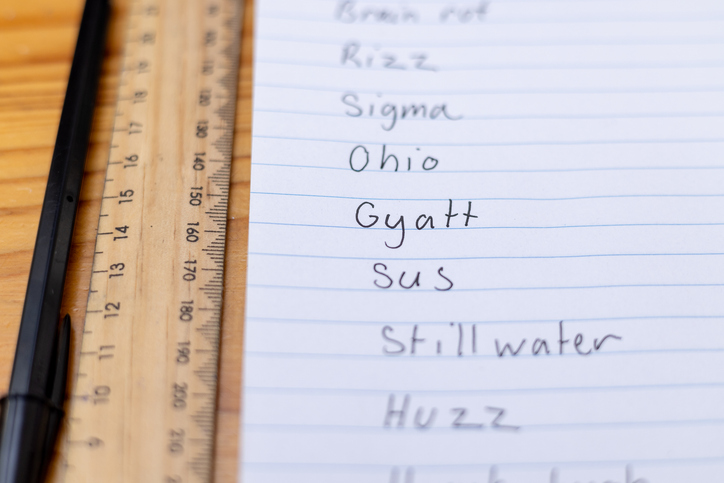
The term “sigma” evolved further in 2025, often used to describe someone who is independent, self-assured, and unconcerned with social validation. While sometimes used seriously, it is just as often employed ironically or humorously. “Sigma” culture online walks a fine line between confidence and parody, highlighting how internet archetypes can be both aspirational and satirical at the same time.
Slay
“Slay” remained a powerful expression of praise in 2025, used to celebrate success, confidence, or standout style. Whether someone delivered a great presentation, posted a flawless outfit, or handled a situation boldly, they “slayed.” The word continues to reflect empowerment and affirmation, especially within Gen Z spaces where encouragement and self-expression are central values.
Delulu
Derived from “delusional,” “delulu” is used playfully in 2025 to describe unrealistic optimism or self-aware fantasy thinking. Saying “I’m being delulu” often acknowledges that a belief or hope may not be logical, but is emotionally comforting or entertaining. The term captures a generation’s tendency to balance irony with vulnerability, using humor to cope with uncertainty.
Crashing Out
In 2025, “crashing out” exploded across the internet, reflecting widespread stress from layoffs, political turmoil, and rising costs due to inflation. While the term once described suddenly falling asleep from exhaustion, its modern meaning refers to an emotional or physical shutdown caused by burnout, overwhelm, or overstimulation, according to the Crisis Textline.
Online, it’s often used casually—joking about losing patience or hitting a breaking point—but it can also hint at deeper struggles. Recognizing whether someone is using “crashing out” humorously or as a genuine expression of distress is important, as the phrase highlights how openly younger generations talk about mental and emotional fatigue.
The slang of 2025 shows just how quickly language evolves in the digital age. Fueled by social media, memes, and shared online experiences, these words capture humor, frustration, identity, and resilience all at once.
SEE MORE:
Is Cracker A Racial Slur? Breaking Down The Bigotry
Breaking Down The Stereotype: Black People And Smoke Detectors
Here Are The Most Popular Slang Words Of 2025
was originally published on
newsone.com

