

A local family-owned pizza shop has been awarded almost $400,000 in legal, appraisal and consulting costs after the Ontario Land Tribunal ruled that City of Ottawa authorities cannot settle first and litigate costs later.
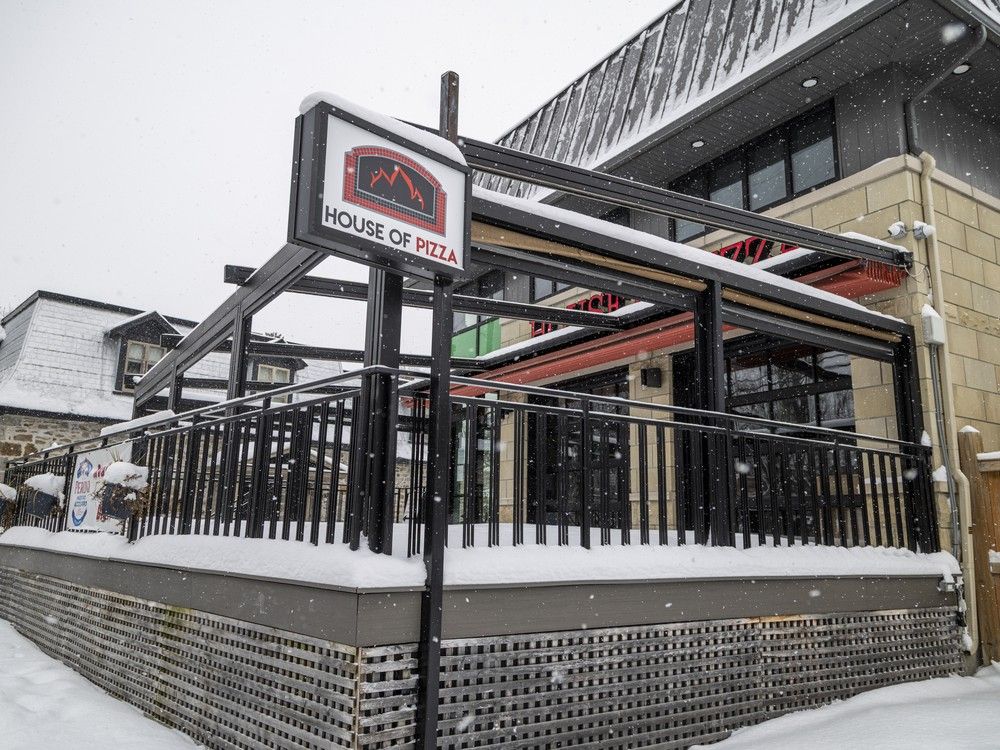
Gabriel Khater, owner of House of Pizza, had to move his business from its old location at 747 Richmond Rd. to its current location at 160 Richmond Rd. in January 2020 after the strip mall was expropriated by the city for Phase 2 of the LRT system.
The city initially offered $100,000 all-inclusive of damages, interest and legal costs to all commercial tenants in the strip mall, including House of Pizza.
Khater then retained a lawyer and sought disturbance damages under Ontario’s Expropriation Act, as well as a team of experts to analyze and prepare claims to the city.
According to Ontario Land Tribunal documents, the move to the new location at 160 Richmond Rd. was “complicated” because Khater had to purchase a new space for his business and had to renovate it from general commercial use to restaurant use.
Negotiations dragged on for years. In July 2024, Khater and the city agreed in December 2023 on a settlement of $50,000 plus costs prior to an Ontario Land Tribunal hearing scheduled for six days later.
Khater’s lawyer claimed $401,387.18 plus interest in legal, appraisal and other costs, but the city’s legal counsel provided an alternative partial-indemnity calculation of $72,448.96 in costs.
Partial indemnity is a legal term that means the losing party only pays a portion of the winning party’s legal costs.
The city then brought a costs motion to the Ontario Land Tribunal, arguing that Khater acted unreasonably and his experts relied on flawed assumptions, which made the damages claim weak.
The city asked the tribunal to reduce the price tag or allow the city to recover its own costs because Khater would have lost on damages claims if the matter was heard by the Ontario Land Tribunal.
But in a decision published in October 2025, Ontario Land Tribunal vice-chair William Middleton rejected the city’s attempt to use partial indemnity to dramatically reduce what it agreed to pay after settling.
He also said the tribunal could not decide what House of Pizza’s damages were, or if Khater’s claims and expert evidence were strong or weak, as part of this motion because a hearing never happened.
The city’s request would be procedurally unfair and legally unfair because it would require the tribunal to decide on compensation without a hearing, Middleton wrote. Once a settlement has been reached, the tribunal can only rule on costs incurred from that settlement.
Middleton also said Khater’s conduct was reasonable, normal and justified, not abusive. In comparison, he said, the city chose an “aggressive” approach on this matter because counsel tried to decide on the merits of a case that never went to a hearing.
The vice-chair did, however, reduce some claimed costs. This included a reduction of a little more than $55,000 in “technology fees,” as well as a reduction of duplicate or excessive expert and legal hours.
However, the majority of the House of Pizza’s costs were upheld and Middleton ordered the city to pay $401,387.18 less the specified deductions. A specific number was not written into the tribunal’s decision because some cuts were calculated by hours instead of dollar amounts. Interest is deferred pending a related, but separate Court of Appeal decision.
Middleton also said the tribunal retained jurisdiction over any future disputes arising from the order.

