

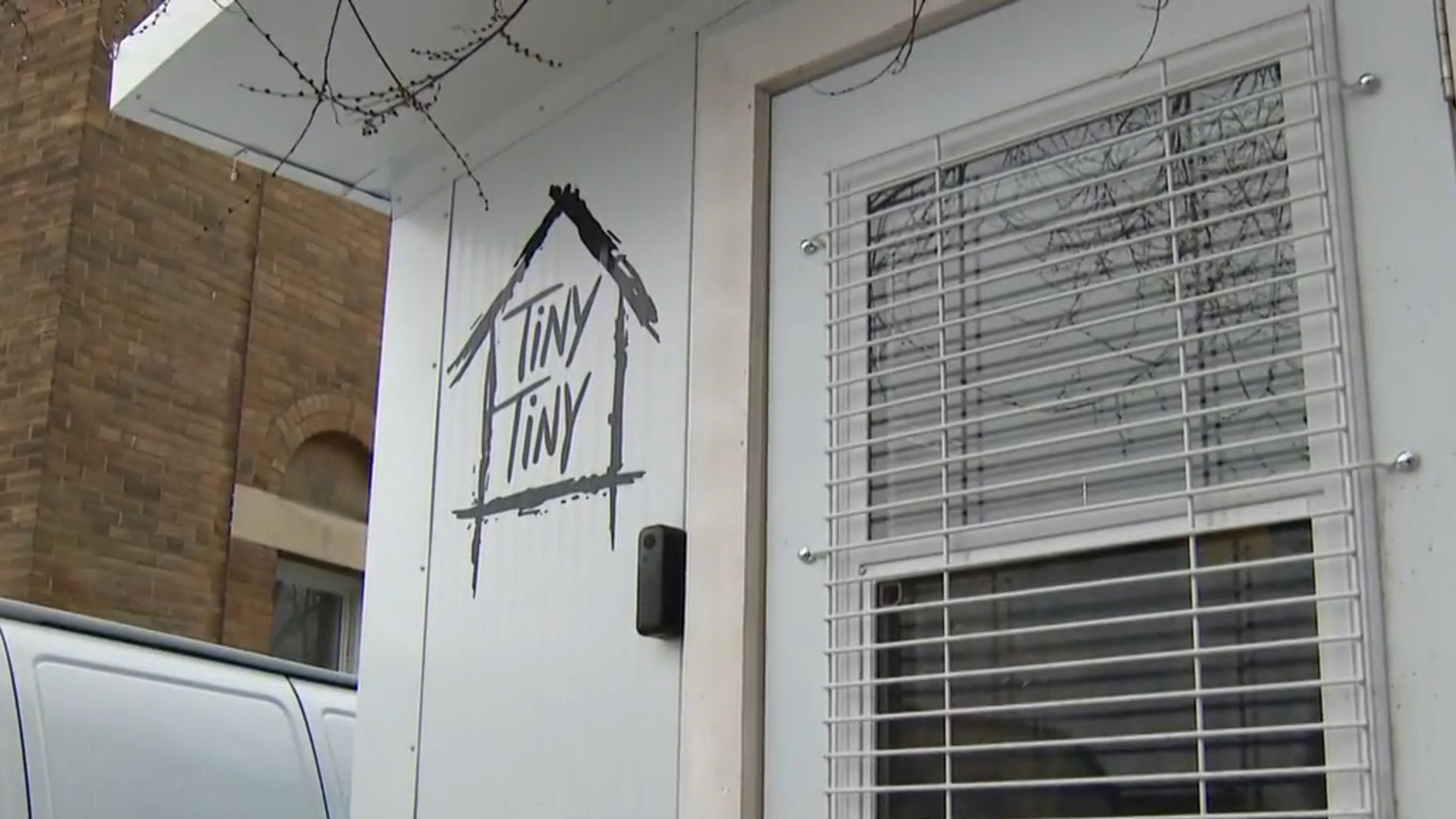
A year ago, the City of Toronto didn’t want micro shelters on public property. Now, after another brutal winter season, the city appears set to potentially embrace the idea.
It was last winter that Ryan Donais received a cease and desist letter from the city, ordering him to remove the micro shelters he built and placed in St. James Park for unhoused people. Fast forward to now, and the city says it is considering a pilot project to test out the initiative.
“It’s bittersweet,” says Donais, the founder of Tiny Tiny Homes. “It makes me feel good that they’re going to explore options to get people off the street, but we need to cut the bureaucracy. We need to cut the red tape.”
The city set a February 19 deadline for proposals from non-profit organizations for a two-year micro shelter pilot project. Donais submitted his application, but says there’s a not-so-micro requirement that may prove to be a big hurdle.
“Asking us to come in with our own land. If we had land, there would be tiny homes on them right now, trust me,” he says, adding officials should be utilizing city property.
But the city says it already did that. A spokesperson tells CityNews that staff looked at 44 potential city-owned sites, but none of them met the size and location criteria for a viable micro shelter program. Now, at the direction of city council, they’re looking at the feasibility of placing them at underutilized TTC parking lots.
Regardless, Donais says that from the applicant side, the land requirement is a daunting ask.
“Not just that they’re asking us to come up with our own land, they’re not even giving us timelines,” he explained. “If they said, you know, January 1st, 2027, we’re going to start a pilot to 2029, then we can go and start asking for property.”
It’s a frustrating process for Donais, who founded his non-profit, Tiny Tiny Homes, as a way to create change in response to the homelessness crisis.
“From someone who’s been homeless and slept outside before, I can tell you having a roof over your head makes all the difference in the world. I think the city talks about harm reduction a lot. Harm reduction starts with housing first.”

