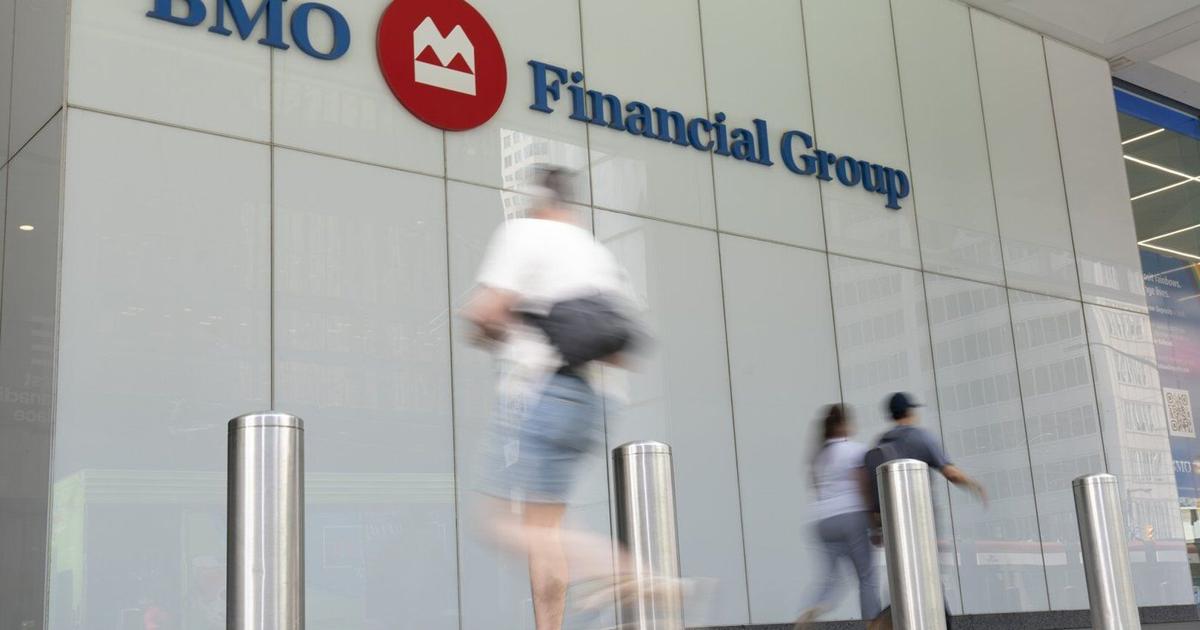
TORONTO – The dramatic upswing in energy prices is a shock but the global economy should be able to manage through current levels, said BMO experts Wednesday.
Chief economist Doug Porter said Canada has just seen the largest monthly gasoline price hike on record, but that oil prices when adjusted for inflation are around where they largely hovered between 2005 and 2015.
“We have been here before and … the global economy can certainly manage $100 oil,” he said, speaking an online seminar put on by the bank.
Higher oil prices do create inflation pressure, with BMO expecting it to rise from 1.8 per cent in February to a little above three per cent in April, but not enough to get the Bank of Canada to start adjusting rates, he said.
“We have been pretty consistent in our view that we believe that the Bank of Canada is on hold, and that’s still the way I think this shakes down,” said Porter.
“I think the bar will be very high for the Bank of Canada to be raising interest rates in this environment.”
The outlook, however, is based on some level of resolution to the Iran war, allowing oil to come down and average somewhere between US$80 and US$85 a barrel for the year.
The pricing scenario is higher than the most optimistic view the bank had early in the conflict, but the worst-case scenarios are also looking less likely.
“The main message that we’ve been getting from markets is that they believe this conflict is going be over relatively quickly,” said Randy Ollenberger, managing director of oil and gas research at BMO Capital Markets.
Markets are responding to U.S. President Donald Trump conveying a message of a near-term resolution, with an expectation that shipping flows will normalize by the end of April at the latest, he said.
“Whether or not we see that obviously will depend on what sorts of actions we see over the next couple of days and, how the Iranians themselves respond,” he said.
Even if flows resume, the risk premium on oil will likely double where it was before the conflict, at least US$10 a barrel, he said.
One optimistic side-effect of the conflict, and the pressure it’s creating with inflation, could be a boost to trade negotiations with the U.S., said Porter.
“There is a case to be made that maybe this slightly improves the chances that we will get a reasonable accommodation on the (Canada-United States-Mexico Agreement), simply because the president would like to move above and beyond and get a win on this before the midterm elections.”
This report by The Canadian Press was first published April 1, 2026.