Ontario is paving the way for Premier Doug Ford’s controversial “special economic zones” in 2026 amid other changes that include making life tougher for impaired drivers and easier for skilled workers moving here.
Stepping up the push to fast-track development to offset economic damage from U.S. President Donald Trump’s tariffs, new regulations taking effect Jan. 1 let the province bypass local and provincial rules for “trusted proponents and projects.”
But critics are worried protections for the environment, workers, wildlife, endangered species, Indigenous communities and their treaties will be watered down in what they dub “no law” zones.
Ford, who is keen to develop the vast Ring of Fire‘s critical mineral deposits in northwestern Ontario for electric vehicles, defence projects and other industries, argued too much red tape would hold projects back at a critical time.
“We need to get moving, folks,” he told reporters when Bill 5, legislation establishing the zones, passed in June.
“We aren’t going to sit back and wait 15 years to get shovels in the ground while the whole world is eating our lunch,” he added, noting that’s how long it can take to open a mine in Ontario.
Economic Development Minister Vic Fedeli signalled two weeks ago that the province is working with “interested partners” to designate the first sites.
“Special economic zones will bolster Ontario’s advantage by cutting red tape, accelerating approvals and protecting the jobs and industries that keep our province resilient and competitive,” he said.
The zones will be a “critical tool to accelerate major nation-building projects and secure job-creating investments that deliver lasting prosperity for our workers,” Fedeli added.
He pledged to maintain the province’s standards for environmental protections and to consult with relevant parties — including Indigenous communities, some of which were vigorously opposed to Bill 5.
Opposition parties aren’t buying Fedeli’s assurances about the zones, which can be designated anywhere in the province, such as on prime farmland.
“You cannot trust this government to give themselves unlimited powers,” said New Democrat Leader Marit Stiles, citing the Progressive Conservative government’s $8.28-billion Greenbelt land swap scandal now under criminal investigation by the RCMP.
Green Leader Mike Schreiner issued his own warning given that Ford is under fire for his $2.5-billion Skills Development Fund that gave hefty payouts to hundreds of groups with low-ranked applications — with Labour Minister David Piccini now under investigation by Ontario’s integrity commissioner over it.
“Special economic zones will open the door to backroom deals and insider giveaways, while Indigenous rights, environmental protections, worker rights and local democracy suffer,” Schreiner said.
“More power is concentrated in the hands of a single minister.”
Under the regulations filed Dec. 16, Fedeli must be convinced projects are “economically significant or strategically important” and that proponents have “a good record of complying with legal requirements” such as health and safety for workers, the environment and financial standards. (The same goes for any subcontractors a corporation or other proponent hires to work on a project.) In addition, Fedeli must be convinced proponents “do not pose a security risk” and he must consent to any change in the control of a company building a project.
Also in regard to Ontario’s economy, the province is now allowing certified professionals — including health-care workers, architects, engineers, land surveyors and electricians — from other Canadian jurisdictions to start jobs in Ontario shortly after arriving.
They can work on a provisional basis until their certifications are formally recognized by the relevant Ontario regulatory authorities. The change is intended to help employers in Ontario get the skilled workers they need.
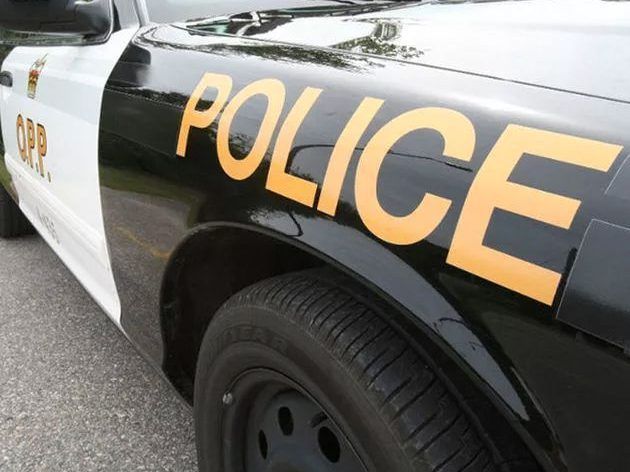
Meanwhile, Ontario is also taking aim at drivers who get behind the wheel when they shouldn’t. Amendments to the Highway Traffic Act now impose lifetime suspensions for anyone convicted of impaired driving causing death.
Other measures include mandatory remedial education for drivers after first-time alcohol and drug occurrences, longer roadside suspensions for driving under the influence, automatic mandatory minimum licence suspensions upon conviction for stunt driving and lifetime licence suspensions upon a third conviction for vehicle theft.
Additionally cracking down on auto theft, a new offence under the Highway Traffic Act provides for fines up to $100,000 and six months in jail for knowingly providing a false vehicle identification number when selling an automobile. That’s in addition to a licence suspension of up to a year. (Further changes proposed in November under “Andrew’s Law,” but not yet passed by the legislature, would impose a lifetime driving ban for anyone convicted of dangerous driving causing death.)
Also taking effect in 2026:
•For homeowners, the Municipal Property Assessment Corporation will now be able to send assessment notices by email.
•Updates to the Ontario Fire Code require homeowners and landlords to install working carbon monoxide detectors on every floor of a residence. Some detectors monitor for both smoke and carbon monoxide.
•Parents receiving Canadian Disability Benefits will no long have those payments considered as income when determining eligibility for child-care-fee subsidies.
Error! Sorry, there was an error processing your request.
There was a problem with the recaptcha. Please try again.
You may unsubscribe at any time. By signing up, you agree to our terms of use and privacy policy. This site is protected by reCAPTCHA and the Google privacy policy and terms of service apply.
Want more of the latest from us? Sign up for more at our newsletter page.