Ottawa city council passed its
$5.2-billion operating budget
and its $1.92-billion budget for capital projects after a full day of debate Wednesday with a vote that came after weeks of committee meetings and public delegations and with numerous motions and amendments from councillors.
The budget calls for a 3.75-per-cent property tax hike, which is projected to increase tax revenue by $117 million in 2026.
The tax hike will mean average property tax bills will jump by $166 for urban homeowners and by $108 for rural homeowners. The average commercial property will see an increase of $354 on its annual property tax bill.
The budget passed with a vote of 21-4, with only councillors Ariel Troster, Jeff Leiper, Sean Devine, and Matthew Luloff voting in opposition.
Several councillors expressed their dismay that many projects they had brought to city staff for consideration in the budget did not make the cut. There were also several who said they would vote for the budget because it did show progress in delivering for their wards even if they had issues with the city’s overall budget direction.
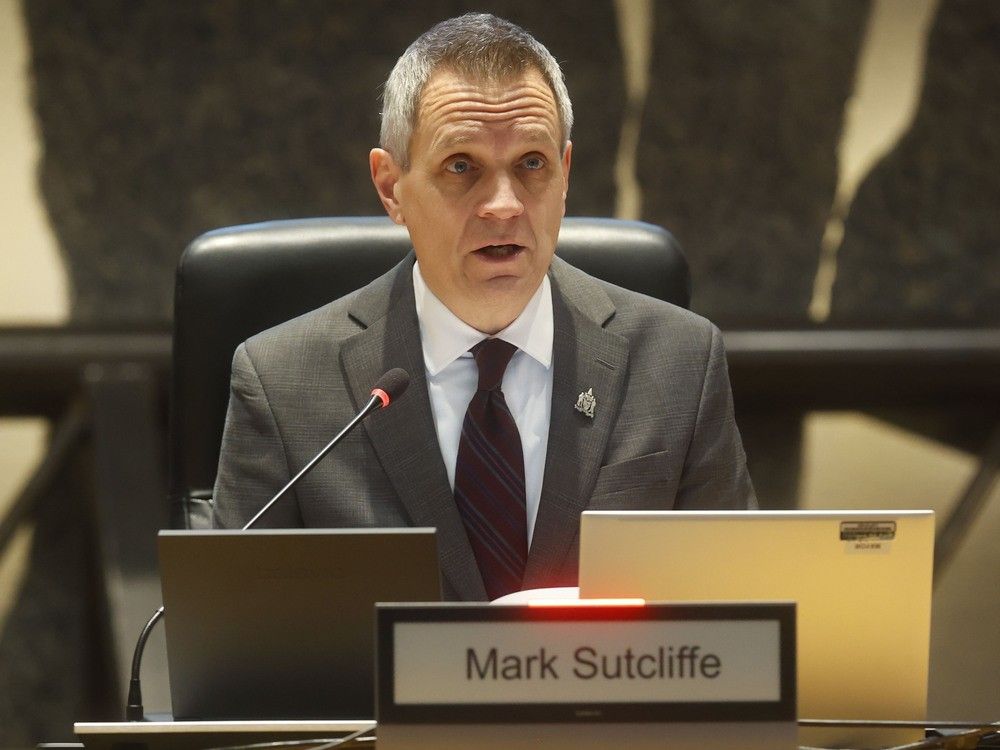
Mayor Mark Sutcliffe touted the budget’s focus on “balance” and “affordability,” saying the city’s tax rise was one of the lowest in Canada.
“There is always more that we can do. There is no perfect budget,” he said. “I’m proud of what this budget delivers. It protects affordability, it invests in our residents’ priorities, and it moves Ottawa forward,” he said.
“I’m proud about the fact that this budget, and all four budgets this term of council, have been supported by the vast majority of councillors representing every part of our city,” Sutcliffe added.
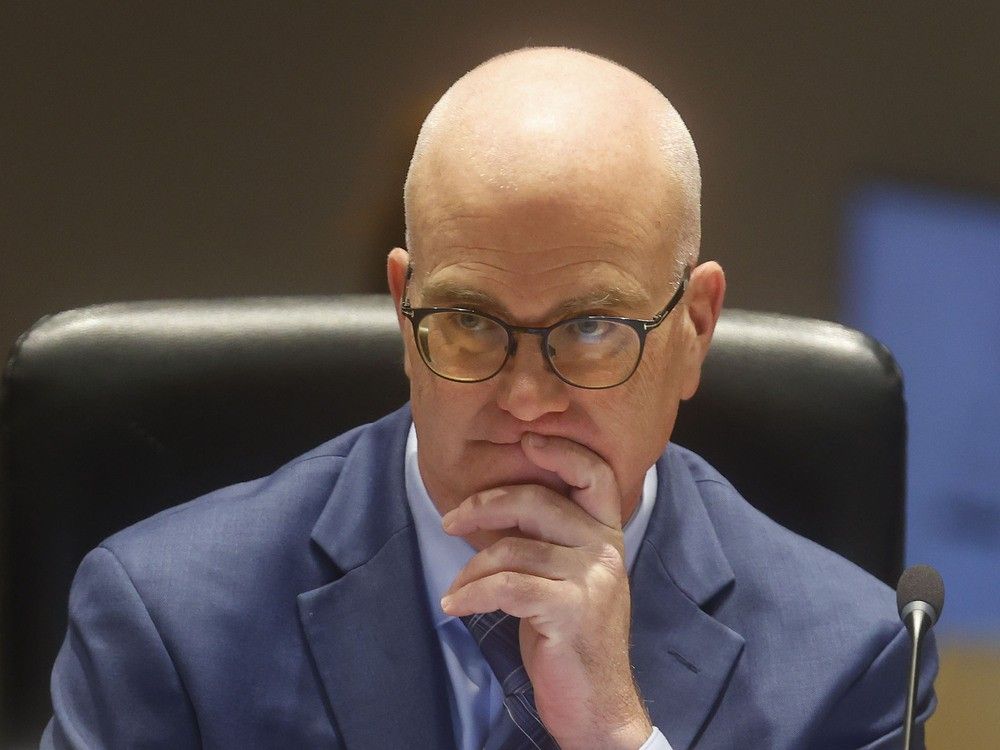
Kitchissippi Coun. Leiper was in the minority opposing the budget and said the council’s approach of setting a tax target first and figuring out what services would get funding second was not the way to fund the city.
“The full spectrum of services that the city delivers, they all compete for dollars within that pie, regardless of how much they actually need to deliver services that residents deserve and expect,” Leiper said.
Too many services are underfunded, he said, the result of many years of low tax increases. Leiper, who started off his speech saying it would be his last as a city councillor, has said he intends to run for mayor in the 2026 municipal election.
The most contentious portion of the budget, which called for a $26.1-million increase to the Ottawa Police Service budget, was carried with a vote of 20 in favour, including Sutcliffe, and five opposed.
A motion from Rideau-Rockcliffe Coun. Rawlson King called for council to further increase funding for the Alternate Neighbourhood Community Response (ANCHOR) program by matching dollar-for-dollar a one-time $5.4-million investment for Ottawa police.

The ANCHOR program provides acute mental health outreach and handled 4,464 calls in its first year of operations as an alternative response to police interventions in mental health-related calls.
The program is set to expand beyond its current boundaries in Centretown and into parts of Hintonburg, with another $700,000 in the city’s 2026 budget.
The $5.4-million investment for OPS comes from combined 2023 and 2024 surpluses that were previously contributed to the city’s tax stabilization reserve. Those funds are earmarked for one-time investments in OPS initiatives like the introduction of 30 body-worn cameras for the police crisis-intervention team, implementation of the OPS district policing model, new training facilities and technology.
Councillors rejected the first part of King’s motion, which outlined the dollar-for-dollar funding model and would have boosted the ANCHOR investment to $3 million to provide 24/7 response coverage, to increase mobile crisis teams and reduce wait times and to expand into underserved rural and suburban areas.
The remaining $2.4 million would have gone to community hub and street outreach to extend hours at high-demand sites, to increase outreach staff for vulnerable neighbourhoods and to improve service with supports for youth, gender-based violence prevention and poverty initiatives.
While the funding portion of the motion failed, council did approve a motion directing city staff to report back to the community services committee by the fall of 2026 with an evaluation of outcomes from ANCHOR and community hub and street outreach investments and options for sustainable funding models.
The Ottawa Police Services Board tabled a budget containing a five-per-cent increase to the tax levy, while Ottawa Public Health and the Ottawa Public Library tabled budgets with 2.9-per-cent increases. Transit services developed their budget with a tax levy increase of eight per cent and an overall budget increase of 10.8 per cent.
The transit budget increased by 11.4 per cent in 2025 and has increased by a total of 22.2 per cent over two years.
Council gave final approval to most city committee budgets without discussion, but councillors reserved a healthy debate for the transit committee and the $938-million gross operating budget for OC Transpo, as the transit authority is hiking fares while it continues to lag behind targets for reliability and on-time service.
The transit budget ultimately passed through council by a vote of 20 to four, but five councillors dissented on the 2.5-per-cent fare increase.
Couns. Laine Johnson, Sean Devine, Riley Brockington and Matt Luloff voted against the transit budget, while Theresa Kavanagh, Stéphanie Plante, Ariel Troster, Jessica Bradley and King voiced their dissent to the fare hike.
OC Transpo interim general manager Troy Charter told councillors that improving reliability was his “100 per cent” priority.
“I hear everyone loud and clear in terms of the bus reliability aspect, it’s something that we need to improve upon, the reliability and punctuality,” Charter said. “This budget gives us opportunities to continue to make incremental improvements in the bus network … I think everyone struggled a little bit this year with the amount of construction and road closures, especially with the highway, that’s impacted us. But this budget does provide significant investment, both operating and capital, to allow us to continue to make incremental improvements to the bus service.”

Transit chair Glen Gower called for “patience” from councillors and from riders as the budget contained a number of items aimed at improving service reliability, including the east extension of O-Train Line 1. Newly purchased diesel and e-buses continue to join the aging fleet, Gower said.
“Patience? It’s been 10 years with three distinct periods where we put passengers through hell,” Brockington replied. “And, at the end of each of those three periods, we’ve told them it’s going to get better, and we’ve had a new crisis emerge. They’ve run out of patience. We need to see progress.”
Council passed a motion that would offer free fares for riders age 18 and under on Saturdays, Sundays, evenings after 5 p.m. and on public holidays. Fares for youth riders would also be free in July and August.
Councillors voted 16-8 to reject a motion that would have city staff study whether to eliminate a 55-cent user fee for pre-authorized debit payments for monthly property tax payments if half of taxpayers signed up for the service. Staff said the complicated nature of dealing with the payment system between banks meant each transaction cost about 70 cents.
With files from Robert Hiltz
Our website is your destination for up-to-the-minute news, so make sure to bookmark our homepage and sign up for our newsletters so we can keep you informed.