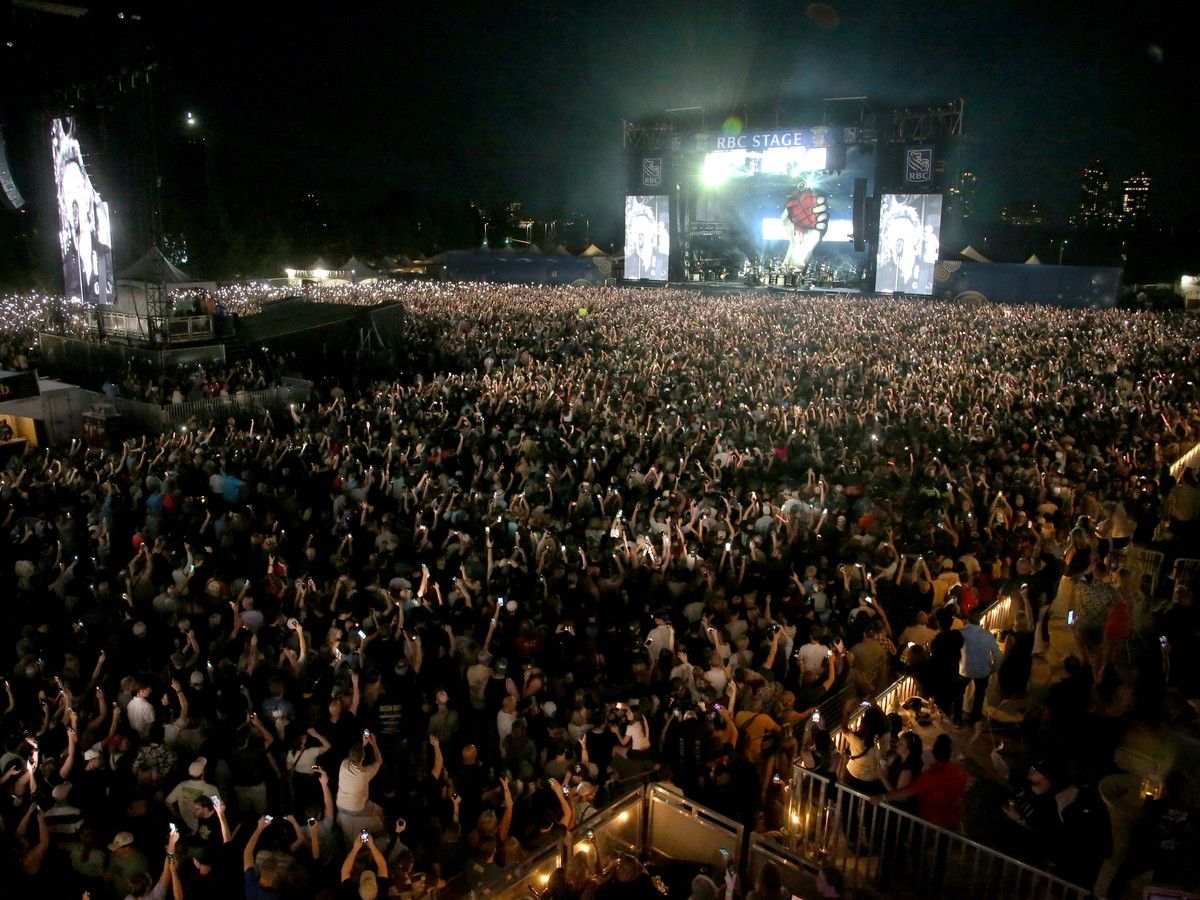
From Ottawa Bluesfest to Saunders Farm Frightfest, festival organizers in Ottawa are promising a vibrant 2026 season thanks in part to a $1-million pot of funding injected into their sector this year.
Eight of the city’s biggest annual events received grants of $125,000 each handed out by
Ottawa Tourism
on behalf of
Ottawa City Hall
. In the first year of a two-year pilot program, organizers say the money means they can make ends meet, plan for the future and refrain from raising ticket prices.
Kelly Neale, managing director of the Ottawa International Animation Festival, described the money as a “real life-saver for all of us.” She estimates that costs of running a festival have risen “at least 40 per cent,” compared to pre-COVID-19 pandemic years.
Ottawa’s animation festival, which runs Sept. 23-27 in various downtown locations, is considered one of the world’s leading gatherings in the industry, with five days of screenings, workshops, networking and more.
“This year is our 50th anniversary for the festival,” Neale said, “It’s going to be a big one, and this funding is a huge help for us to make ends meet.
“We’ve been cutting back for the past couple of years, but you don’t really want to be cutting back and cutting back, and we don’t want to raise our ticket prices when everyone else is struggling as well.
“This funding allows us to maintain what we’ve been doing, which is fantastic.
Why was the Major Festivals Fund created?
As the title suggests, the Major Festivals Fund was created by the city to support events that attract tourists at a time when operational costs are rising and public funds are harder to get. It’s funded through the Municipal Accommodation Tax on overnight visits to the city.
“Festivals provide a time-bound reason for people to visit,” explained Catherine Callary, vice-president of destination development at Ottawa Tourism. “People have to come exactly on those August dates because they want to go to Pride, or they have to come on exactly those September dates because they’re coming for CityFolk.
“This particular fund was really set up to support these large-scale, tourism-generating events.”

What are the eight major festivals in Ottawa to get this funding in 2026, listed in chronological order?
Tamarack Ottawa Race Weekend
: May 23-24, various locations.
Ottawa Jazz Festival
: June 19-28, Confederation Park.
Escapade Music Festival
: June 26-28, RA Centre Grounds, 2451 Riverside Dr.
Ottawa Bluesfest
: July 9-19, in and around the Canadian War Museum, LeBreton Flats Park.
Capital Pride
: Aug. 22-30, various locations.
CityFolk
: Sept. 17-20, new location to be determined.
Ottawa International Animation Festival
: Sept. 23-27, various downtown locations.
Saunders Farm Frightfest
: Fall, dates to be announced.

How were they chosen?
The major-events recipients were determined through a multi-stage process that required lots of documentation, including audited financial statements, proof of programming that attracts out-of-town visitors, a marketing plan showing out-of-town buys and, as Callary put it, other “operational factors that show a certain scope that we were looking for.”
It’s worth noting that all the festivals selected are well-established in Ottawa and have been happening for decades. Jazzfest, Frightfest, Animation and Race Weekend are all around 50 years old. Pride is close to 40, Bluesfest and CityFolk are in their 33rd years, and Escapade is the baby of the group at 16.
Were the festivals surprised to hear they were getting the money?
Not for the most part. Callary said recipients were selected according to a set of criteria that included attendance, budget, out-of-town draw and other factors. There were eight to qualify for a piece of the $1-million pie.
Still, it came as a surprise to Mike Vieira, executive director of Tamarack Ottawa Race Weekend, although his event has seen a bump in attendance in recent years in tandem with the worldwide resurgence of running.
More than 38,000 runners of all ages are registered to participate in multiple races this spring, with an estimated 40 per cent of them travelling to Ottawa from out of town. The 52nd annual race weekend takes place May 23 and 24.
“We were lucky and surprised that we were one of the (events) to get such large funding. It’s amazing,” Vieira said. “Obviously it’s going to help directly with operational costs. Everything is getting more expensive, (including) vendors, policing, and it’s just going to help cushion that blow and allow us to maintain a bit of profitability so that we’re viable long-term.
“Stability now means stability in the future.”

Is Saunders’ Farm FrightFest even in Ottawa?
Yes. The 50-year-old family farm is located in the rural southwest end of Ottawa’s city limits. One of the top rural attractions in Eastern Ontario, it hosts several seasonal events, including summer Maze Days, the fall FrightFest and a country Christmas, with a new Tulipfest launching in May this year.
Co-owner Mark Saunders says the number of visitors to the farm has been growing every year since the pandemic, a trend he chalks up to Canadians’ desire to support local economies.
“People are really wanting to explore the countryside, and stay local and be a tourist in their own region or their own country,” he said. “I think that’s why people are not traveling as much to the States, but they’re now looking at the gems in our own area.”
The grant money will be divided between marketing to potential visitors outside Ottawa and expanding FrightFest with more performers and shows.

“Our data shows we get quite a lot of people from Montreal, Kingston and Toronto already,” Saunders said. “We want to generate more of that.
“The other bit of economic impact with our business is we have more than 400 employees now in the fall, 99.9 per cent of which are from Ottawa region. They’re getting paid and they keep their money in the region and keep the economic development happening. We’re really proud to be able to support so many actors and performers.”
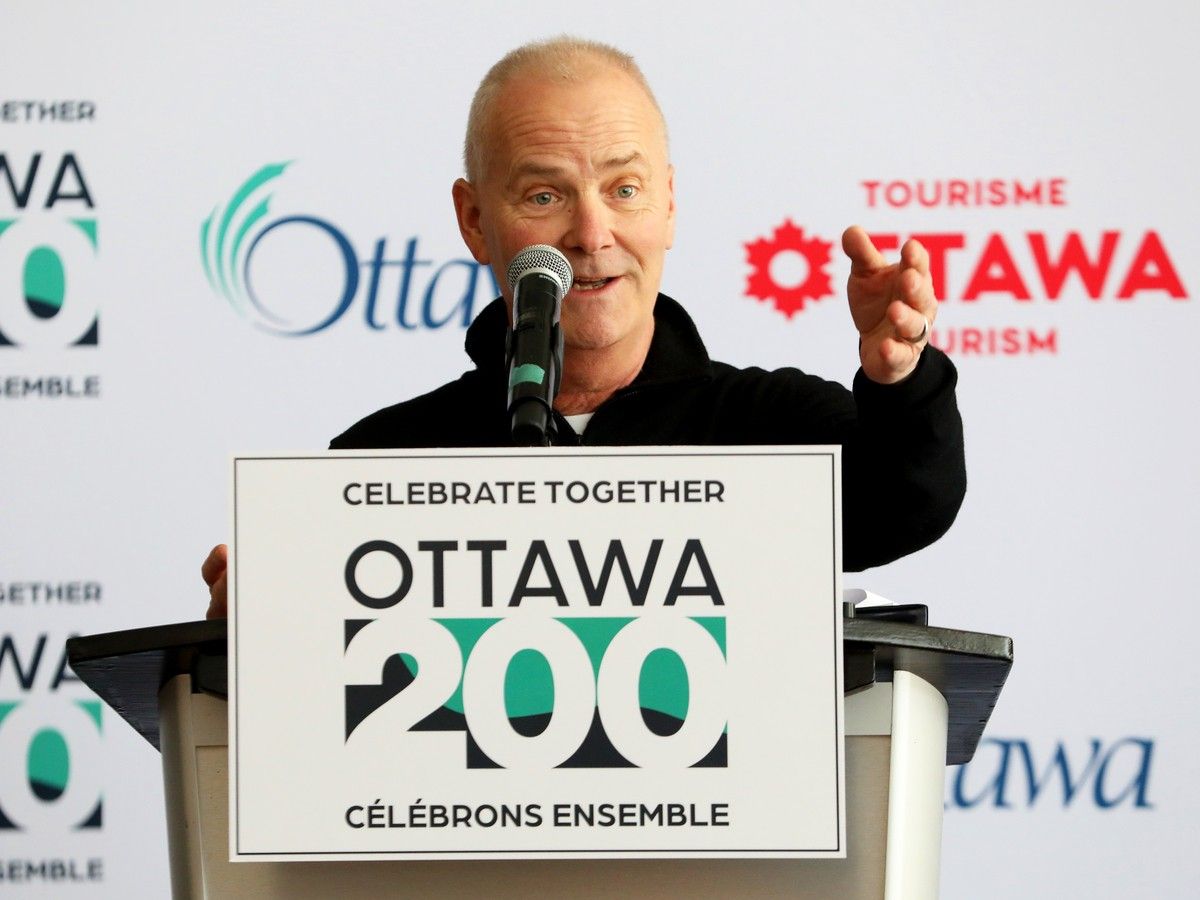
How badly do Ottawa festivals need the extra money?
It depends. After two strong years in the post-pandemic era, Bluesfest, the city’s biggest festival, is in good shape, executive director Mark Monahan said, while noting one of the recurring challenges all promoters face: The rising cost of talent as artists’ fees goes up every year.
“When you look at Live Nation and their reports, there’s never been more money spent on tickets,” Monahan said, “and I guess (the artists) are also wanting more money. So it’s always a challenge to manage those expectations, put a festival lineup together and also spend the money wisely.”
Both Bluesfest and its sister festival, CityFolk, are expected to spend the grant money on programming. Bluesfest takes place July 9-19 at LeBreton Flats Park, while CityFolk is slated for Sept. 17-20 in a yet-to-be-revealed location (its usual home at Lansdowne Park is unavailable due to construction).
At the other end of the financial spectrum is the Ottawa Jazz Festival, which has seen a decline in core funding in recent years brought on by dwindling grants and fewer big-name corporate sponsors. To make matters worse, ticket sales slumped last summer, and the organization ended the year in a deficit position.
“This (funding) is really crucial,” executive and artistic director Petr Cancura said. “I can’t say enough about what it means to us. I don’t think we would be having a festival without it.”
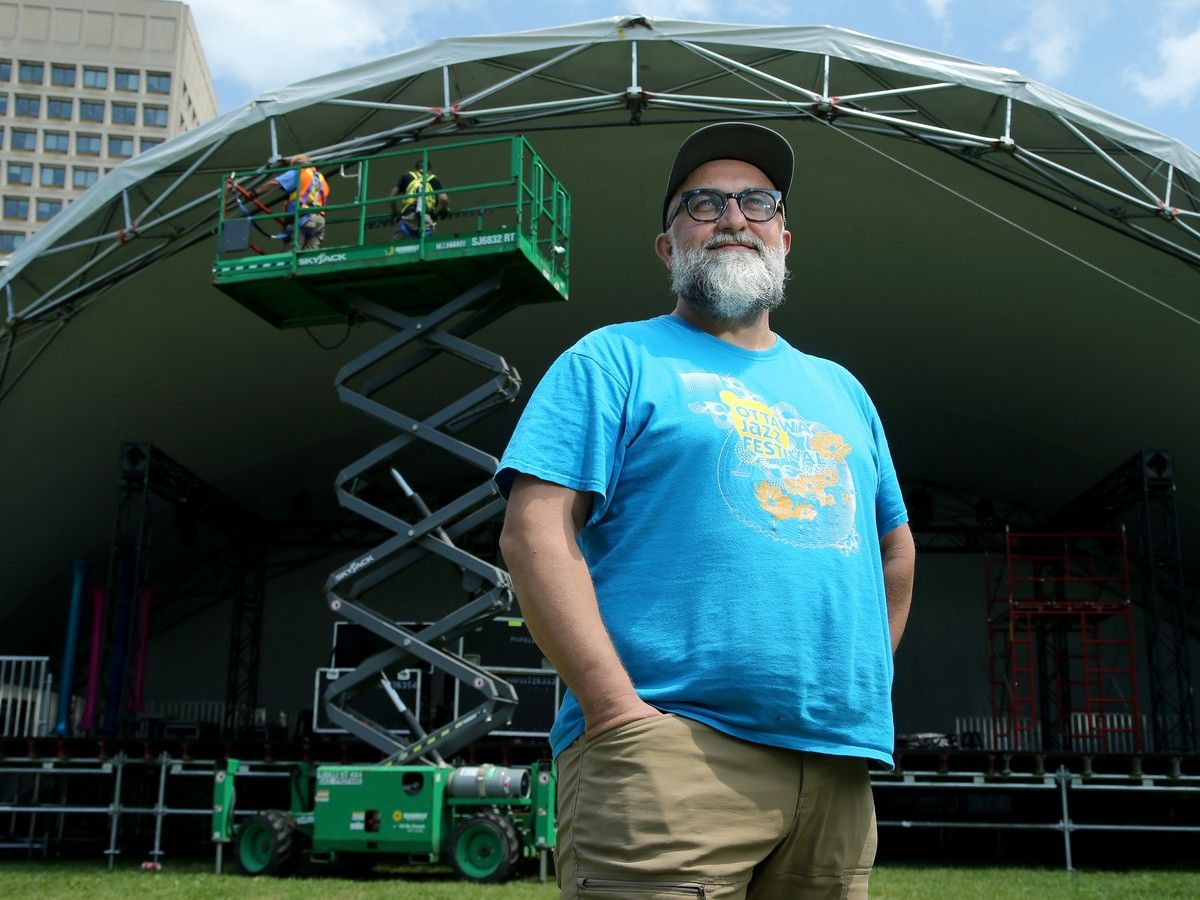
Jazzfest had already planned to streamline its operations this year by shifting its second stage from the plaza of Ottawa City Hall to the main site at Confederation Park, with the blessing of the National Capital Commission, which oversees the park.
The move will not only reduce security costs, a major expense, but also make it easier for patrons to migrate between the two stages.
“We’re trying to think about sustainability and we’re trying to think about the flow and the experience for the audience,” Cancura said.
With both stages in the same park, the hope is that fewer people will drift away from the festival after the main act, and instead stay in the park for the late-night sets on the OLG Stage.
What’s the outlook for the 2026 tourism season in Ottawa?
After last year’s record-setting summer for tourism, it looks like we’re in for another strong season.
“Based on our forecasting and the (number of) future bookings that we’re able to see, we have a very strong looking year, either on par or slightly above where we were most months last year,” Callary said.