On a Saturday morning in Nepean, shoppers leave the James Bartleman Archives and Library Materials Centre with tote bags tugging at their shoulders, loaded with paperbacks priced
lower than a cup of coffee
. Across town in Stittsville, donated titles pile up at the Re-Read Used Books counter and vanish by day’s end.
Second-hand books move through Ottawa on multiple tracks, rarely intersecting but increasingly feeding the same demand. One is powered by volunteers, another by independent retailers, as
higher living costs
push more buyers toward resale.
The city’s largest operation is FOPLA — the Friends of the Ottawa Public Library — a volunteer-run network that generates about half a million dollars a year across 31 points of sale. That figure would place it in the “medium” tier of Canadian bookselling, according to BookNet Canada’s national industry survey, despite having no paid retail staff and no rent.
“We make a gift every year to the
Ottawa Public Library
for extraordinary use,” said Kathleen O’Connell Renaud, FOPLA’s executive director. Those gifts have supported author talks, youth publishing initiatives, library technology and furnishings — items outside the
city’s core budget
.
Books cost between one and three dollars, often less than at thrift stores. FOPLA managers track what sells in each branch, request targeted stock from the Nepean distribution centre and tailor shelves to local readers. Children’s books sell fastest, said O’Connell Renaud, though French-language titles are harder to source.
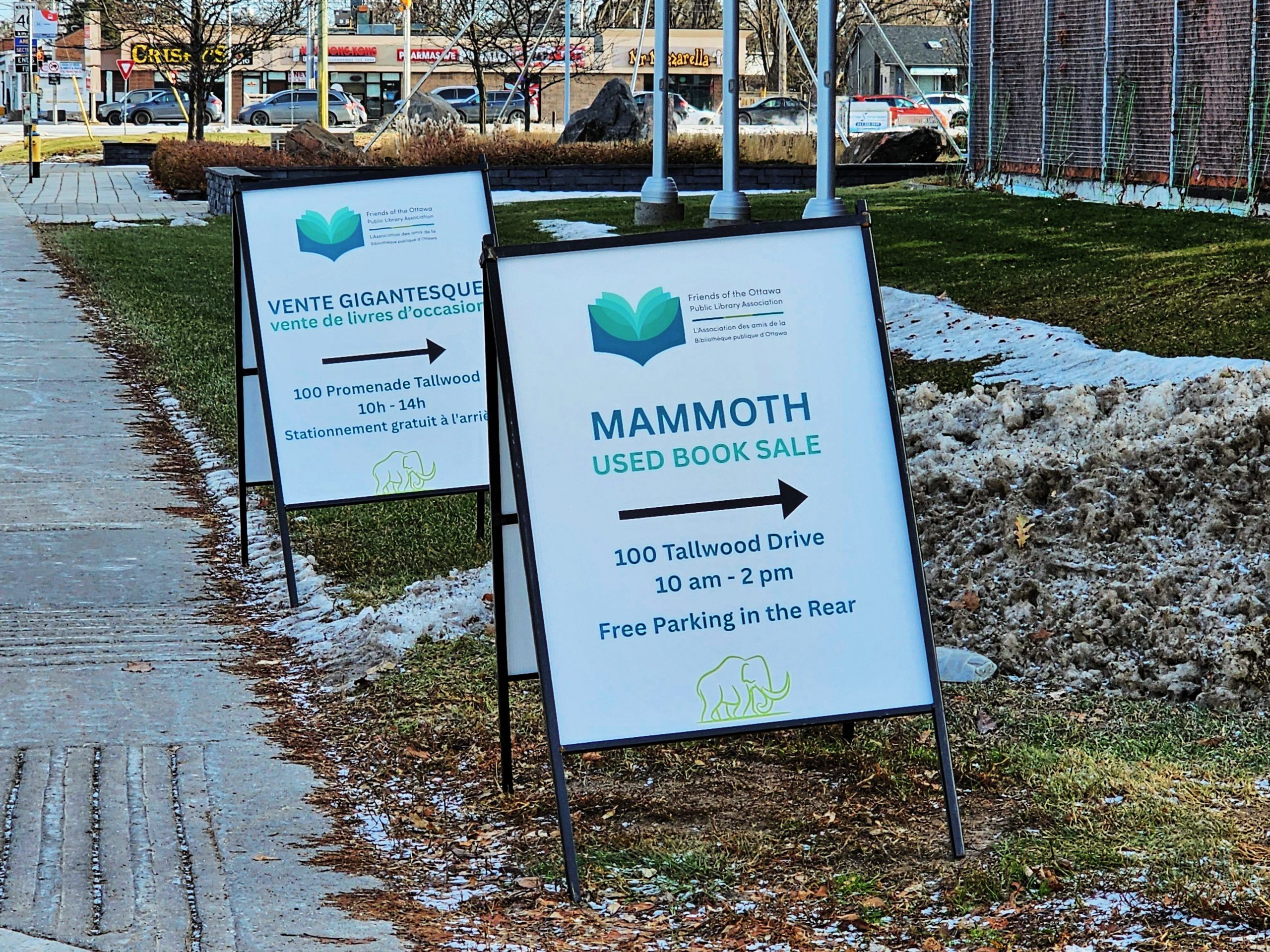
At monthly “mammoth” sales, volunteers wheel out carts at the Tallwood Drive distribution centre as crowds comb the rows. A single weekend can bring in $5,000 to $6,000. The model relies on public donations, weeded library stock, and a structure free of overhead. Two part-time employees co-ordinate. Everyone else, including the board, works unpaid.
“Our sales have just been going up and up and up,” said O’Connell Renaud.
The organization has been offered inventory from closing bookstores over the past year, she said, sometimes on short notice as leases expire.
“We just don’t have the volunteer capacity in most instances to do anything with it,” said O’Connell Renaud. “We get so many donations from the public and from OPL that we haven’t really experienced any lack of inventory.”
O’Connell Renaud credits the group’s durability to a model without overhead. “We benefit from such a great relationship and partnership with OPL that we don’t pay for our space,” she said. “We don’t pay anyone to sell things for us.”
Absence of added cost has underpinned the model since 2003, when the Friends consolidated a patchwork of branch bookstores into a single citywide operation.
What emerged was a centralized resale system insulated from the financial shocks that routinely unsettle independent shops.
“People still want to read,” she said. “They’re finding ways to get their books for less.”
The resilience of the FOPLA system stands in contrast to the pressures facing for-profit shops. Several have closed in recent months, like the long-running Book Market chain in November, a former fixture of Ottawa’s used-book economy, and Benjamin Books in March 2024.
And yet, the success of the Friends hasn’t undercut demand elsewhere.
In Stittsville, Re-Read Used Books is expanding. A second location is planned for Riverside South this spring — a calculated move into a fast-growing suburb with limited book retail and high demand for physical stock. Ray Tropiano and his wife, Trish, bought the original shop in October 2023, taking over a business already in growth mode.
“The store did better during the pandemic than it did prior. It’s constantly increasing a little bit every year,” said Tropiano.
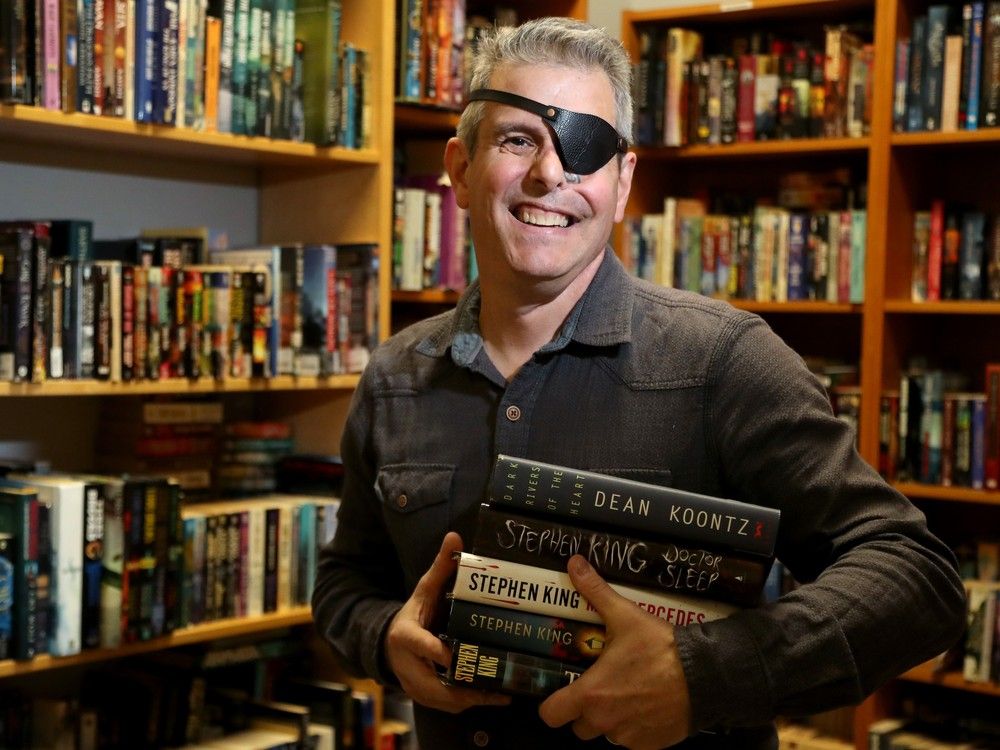
Most books at the well-organized outlet sell between five and fifteen dollars. New releases appear at a fraction of original retail prices, carefully screened for condition. Mystery and thriller titles dominate sales, a pattern Tropiano attributes to accessibility and volume reading.
“Easy reads,” he said. “People heading south want something to digest on the beach.”
The store relies almost entirely on donations. In return, donors get a modest discount on a future purchase, and the model produces constant turnover that rewards repeat browsing.
“It’s the thrill of the chase,” said Tropiano. “The stock is never the same from one week to the next.”
Re-Read’s entire inventory is online, a rarity among used bookstores. Shoppers can browse by title or author from home, call to reserve copies, or ask staff to check stock on the floor. Some never set foot in the aisles. Others come weekly to see what’s changed.
The new store in Riverside South will mirror the original’s layout — roughly 1,100 square feet — though rent is nearly double. The location, a high-traffic commercial area, leaves less room for error.
“We’re taking a really big chance,” he said.
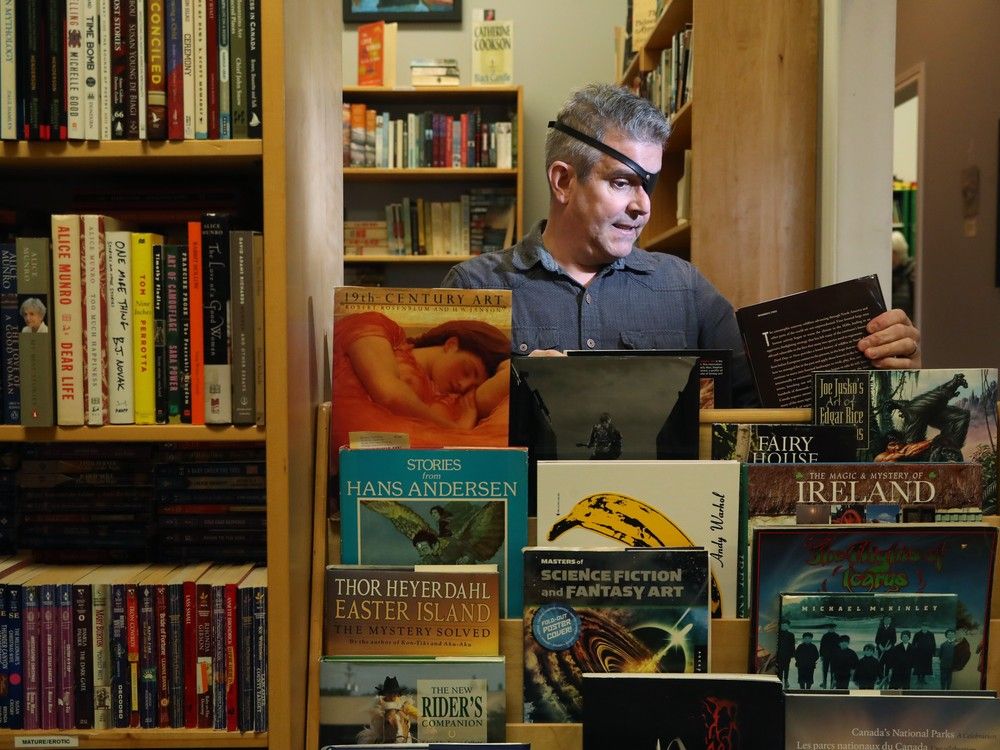
Unlike the Friends’ model, Re-Read pays wages. The Tropianos employ staff at their Stittsville location. The new shop, set to open in Riverside South this spring, will be run by the couple — at least to start — to keep costs manageable.
“We’re never going to be millionaires,” said Tropiano. “But we’ll be able to pay the mortgage and do something we really enjoy doing.”
Demand, he said, has never been a problem. Readers are still buying physical books; they’re simply less willing to spend
forty or fifty dollars on a new hardcover
. Parents want full shelves at home, and browsing retains value even as online retail dominates convenience purchasing.
FOPLA experimented with online sales, said O’Connell Renaud, but in-person traffic outpaced digital orders at every turn.
“People go to used bookstores partly to find something unusual,” she said. “They enjoy being around other people who like books.”
Ottawa’s resale market continues to grow, in part because the city supplies the readers and the reading material. Donations flow steadily enough to keep the ecosystem intact — even as individual shops open, close or move.
Tropiano, watching another box of books arrive at his counter, sees no scarcity ahead.
“It’s like Christmas every day,” he said. “And there is room for all of us.”
If you liked this story, sign up for Out of Office — the Ottawa Citizen’s weekly guide to local arts, culture and things to do. For more local coverage, follow us on Bluesky.