

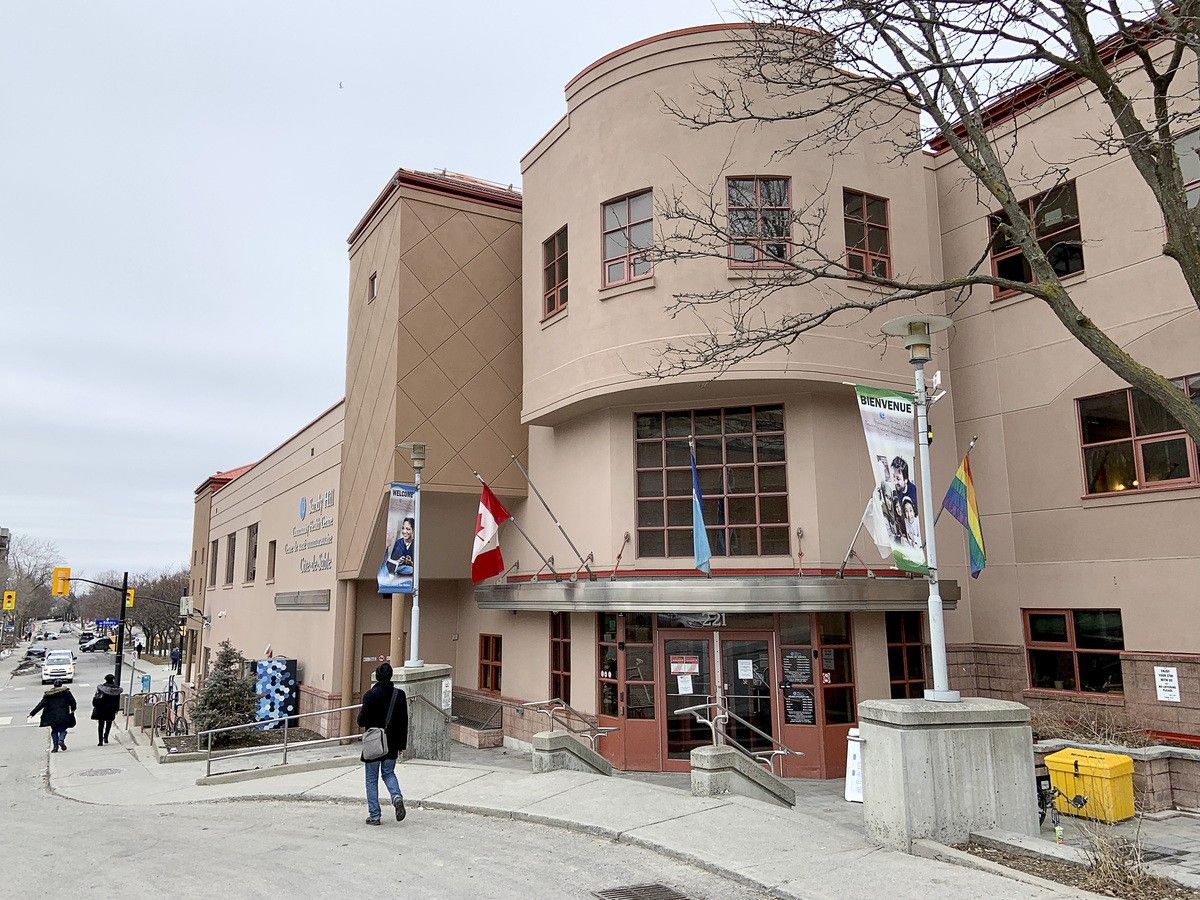
The heads of Ottawa’s two remaining
supervised consumption sites
are asking the Ontario government to reconsider its decision to withdraw their funding in June, saying shutting down the sites will increase preventable overdoses and place a greater strain on emergency and health services.
Rob Boyd, chief executive officer of Ottawa Inner City Health, and Robin McAndrew, executive director of Sandy Hill Community Health Centre, called the province’s decision sudden and deeply concerning.
But officials at both Inner City Health, which runs Ontario’s busiest supervised consumption site at Shepherds of Good Hope, and the Sandy Hill Community Health Centre acknowledged it was likely their sites would close their doors on or before the June 13 deadline — 90 days after the announcement.
Boyd said he was uncertain whether
the Trailer
, as the Inner City site is called, would be able to keep operating for the full 90 days because staff will need to start leaving to find other work. The Trailer employs about 45 full- and part-time staff and averages between 600 and 1,000 injections per week.
“That is the number that is going to be displaced as a result of this decision to defund us,” Boyd said. People are not going to stop because it is defunded. People are going to go out into the community.”
Boyd said he was not surprised by the provincial government’s decision to stop funding the sites given that it had already closed two sites in Ottawa and others across the province and that Premier Doug Ford had indicated concern with the impact of consumption sites on neighbourhoods.
“The writing was on the wall that they were coming after all the sites eventually. I held up some hope that the Trailer would be spared,” Boyd said.
He said Inner City Health was hoping it could have the resources for additional supports and alternate responses to the drug crisis. He said he would like to have funding for a mobile response unit in the community and to continue with the block leader program that, he said, is aimed at helping members of the community rebuild themselves.
He said the population using the Trailer were mainly homeless and living in shelters. They face significant barriers to recovery programs, such as the one the province is moving toward at
HART (Homeless and Addiction Recovery Treatment) Hubs.
HART Hubs offer access to primary care, mental health and addiction services, social supports and transitional housing.
The closest HART Hub to ByWard Market is at Somerset West Community Health Centre, whose supervised consumption site was shut down in 2025.
Boyd said supervised consumption sites had become lightning rods and scapegoats for failed housing and social policies.
Dean Dewar, who is director of consumption and treatment services at Sandy Hill, said the community health centre would also like to have additional resources to support clients and neighbours if the province defunded the consumption services.
Sandy Hill, which employs 35 people at its consumption and treatment services, reversed 250 overdoses over six months in 2025.
In a statement released after the province’s decision, Boyd and McAndrew said they would work with staff, local officials, community partners and people relying on these services in the coming weeks “to understand how to mitigate the harm this decision will cause. We remain committed to continuing the lifesaving work our teams perform every day. We urge the province to reverse this decision and to come to the table to collaborate on alternative models of care that are rooted in evidence and community.”
Ottawa Public Health said the province’s investment in HART Hubs was a positive step in improving access to treatment, primary care and social supports, but a public-health response to the drug crisis should also include harm reduction approaches tailored to meet people where they are.
Benjamin Leikin, manager of community health and wellness, said OPH recognized the important of consumption and treatment services in “saving lives, preventing overdoses and connecting people to essential health and social supports.”
Related
- Expect more public drug use after closing of supervised consumption site, officials warn
- What it’s like to work at Ottawa’s busiest safe consumption site
Our website is your destination for up-to-the-minute news, so make sure to bookmark our homepage and sign up for our newsletters so we can keep you informed.

