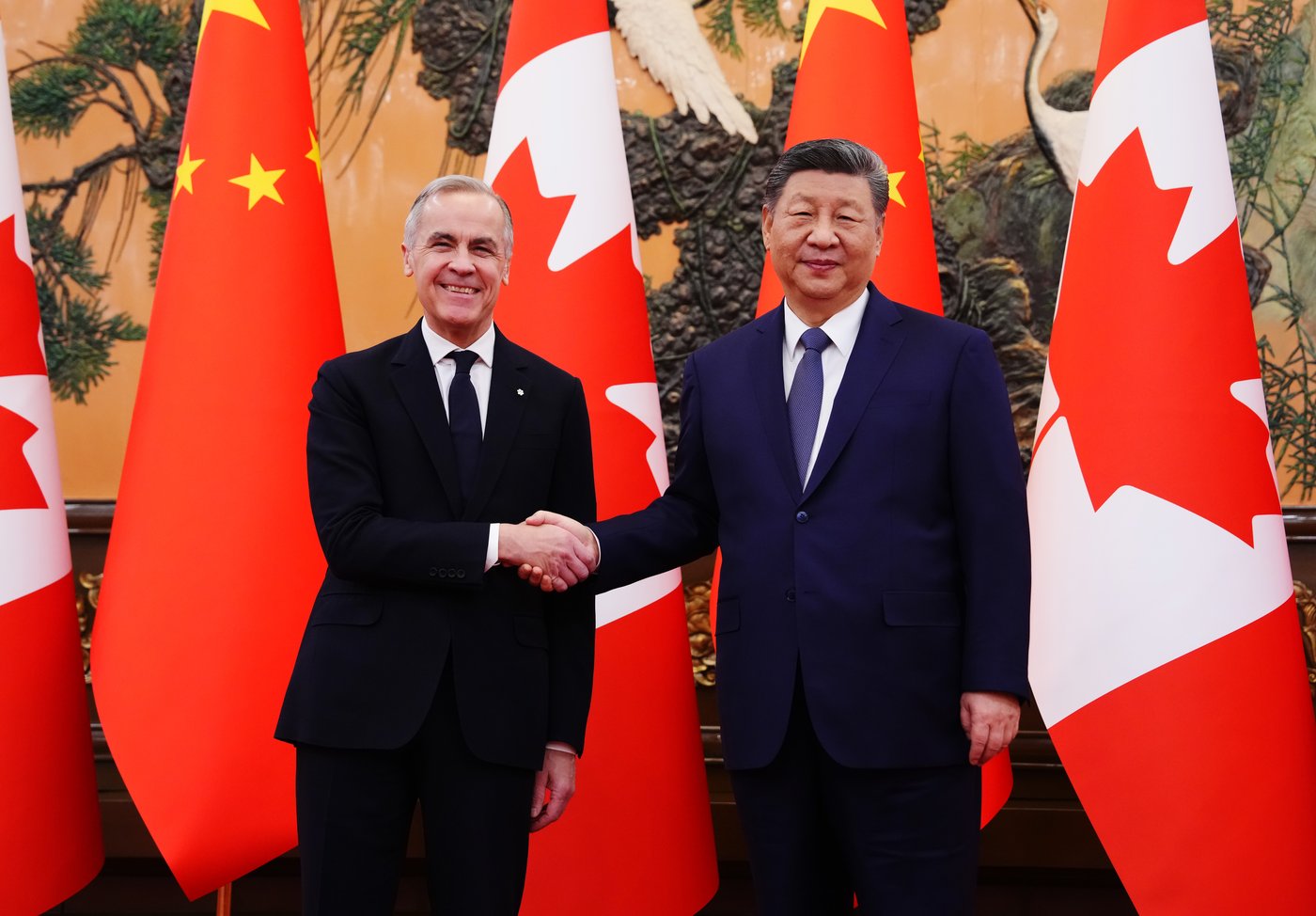
Ontario Premier Doug Ford continued to openly bash Prime Minister Mark Carney’s recent deal with Beijing that will allow a limited number of Chinese electric vehicles to enter the Canadian market at reduced tariff rates, warning that it will not only hurt the Canadian auto industry, but further damage already-fractured relations with the United States and facilitate Chinese espionage.
Speaking at the Rural Ontario Municipal Association (ROMA) Conference in Toronto on Monday morning, Ford said he’s “extremely disappointed in this decision which will directly impact our auto workers and the supply chains that support them.”
He also asserted that China would use the vehicles to spy on Canadians.
“When you get on your cellphone, it’s the Chinese that are going to be listening to your … telephone conversation,” he warned.
“I find it ironic that the Prime Minster is using a burner phone and all his staff over in China, but we are making a deal — it’s Huawei 2.0 – to come back into Canada and we get nothing but potential job loses in our factories right across the board.”
Ford was referring to Canada’s decision back in 2022 to ban China’s telecom giant Huawei from the nation’s 5G networks over national security concerns.
Ford also questioned how Chinese vehicles would be allowed to cross the Canadian-U.S. border, citing U.S. security concerns.
“Eighty to ninety per cent of those vehicles go south of the border,” he claimed. “So, I’m not too sure if President Trump wants Chinese spy vehicles coming across the border, but I’m betting the answer is no.”
So far Trump has reacted to the deal with surprising nonchalance.
“That’s OK,” he said when asked about the deal on Friday. “That’s what he (Carney) should be doing. It’s a good thing for him to sign a trade deal. If you can get a deal with China, you should do that.”
Carney downplays Ford’s concerns, calls deal a ‘reset’ in Canada-China relations
The recently announced tariff‑quota agreement with Beijing will allow up to 49,000 Chinese EVs into the Canadian market at significantly reduced tariff rates in exchange for China lowering duties on Canadian canola and removing tariffs on several other agricultural products.
Prime Minister Carney called the deal a “landmark” reset in Canada-China relations, and downplayed Ford’s concerns.
Speaking from Qatar on Sunday, Carney said the move was crucial to remain relevant in the ever-evolving auto sector, and added that the deal with China represented “less than three per cent of the 1.8 million vehicle market for cars and trucks in Canada every year.”
“It’s a trial,” Carney stressed. “It’s an early stage and this is the way you bring somebody into the market. This is a market that’s evolving very rapidly. We don’t want to be competitive in the market of 2000, 2010. We want to become competitive in the market in the future. That’s what’s going to get great jobs for Ontarians going forward.”
The 49,000 autos set out in the initial deal could grow, Carney said, but only if China agrees to invest in Canadian-based production.
Ford shot back on Monday, saying allowing China to enter the Canadian market, on any scale, is a mistake that we will live to regret.
“They say it’s only 49,000 vehicles, folks it’s really 33 per cent of the EV sales in Canada. And once the camel gets its head in the tent, his whole body is in the tent and you’re not getting rid of him.”
With files from Lucas Casaletto and The Canadian Press