

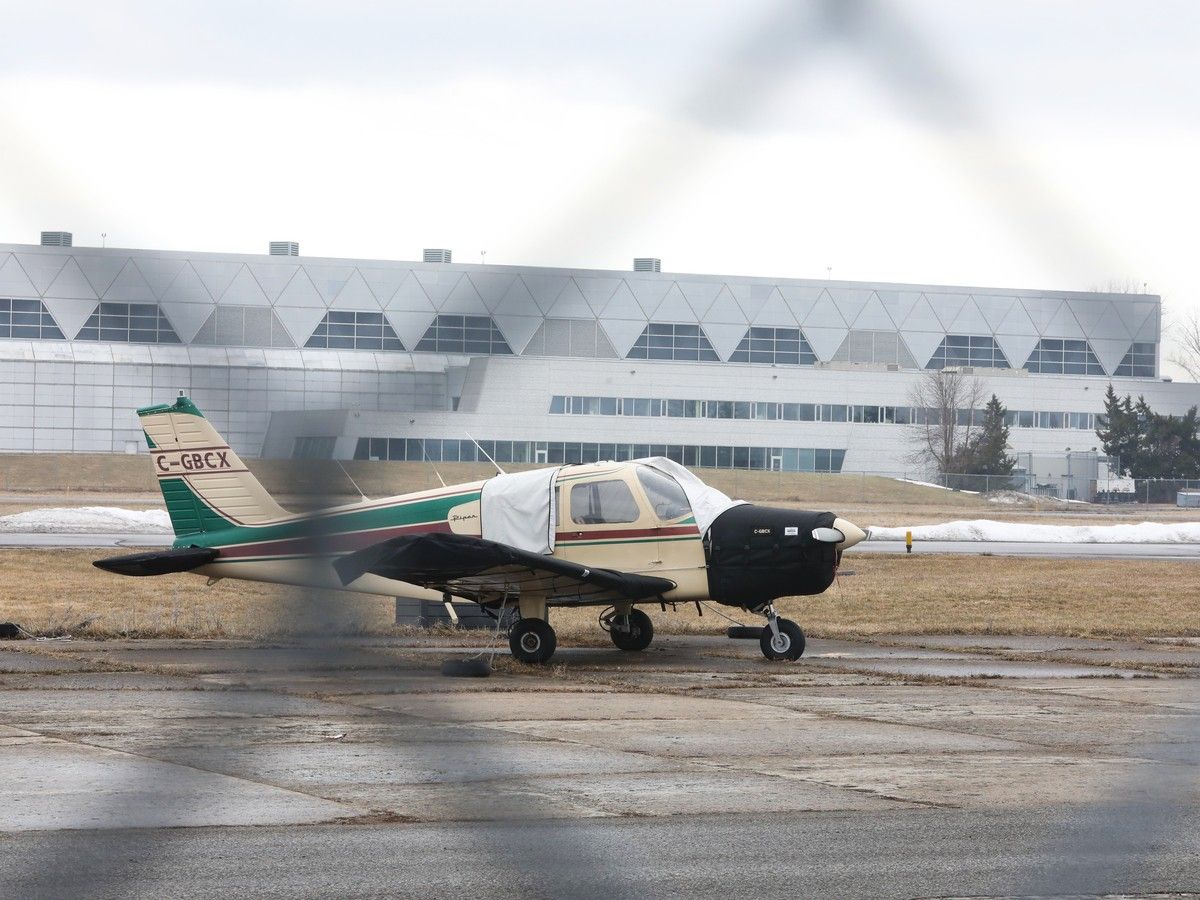
Canada’s largest union says Rockcliffe Flying Club workers’ efforts to unionize are being delayed against a backdrop of months of flying instructors raising technical and cultural safety concerns in the workplace.
“In that time, workers say the employer has used the delay to target union supporters and employees who spoke up about safety,” reads a news release from the Canadian Union of Public Employees, adding that the delays were a form of “pressure and retaliation” on workers who had previously raised those same concerns.
CUPE regional communications officer William Chalupiak says it usually takes up to three weeks to rally signatures and to receive approval from the Canadian Industrial Relations Board to unionize, but the organizing campaign that started at the flying club in December is now in its fourth month.
Aviation is a federally regulated industry.
Chalupiak said there were weeks of back and forth over whether the method for gauging interest — workers signing union cards — was valid.
“We’re still waiting on certification to come through,” he said.
Chalupiak added that flight instructors were presented with cease-and-desist letters from the employer, which would prevent them from speaking negatively about the issue.
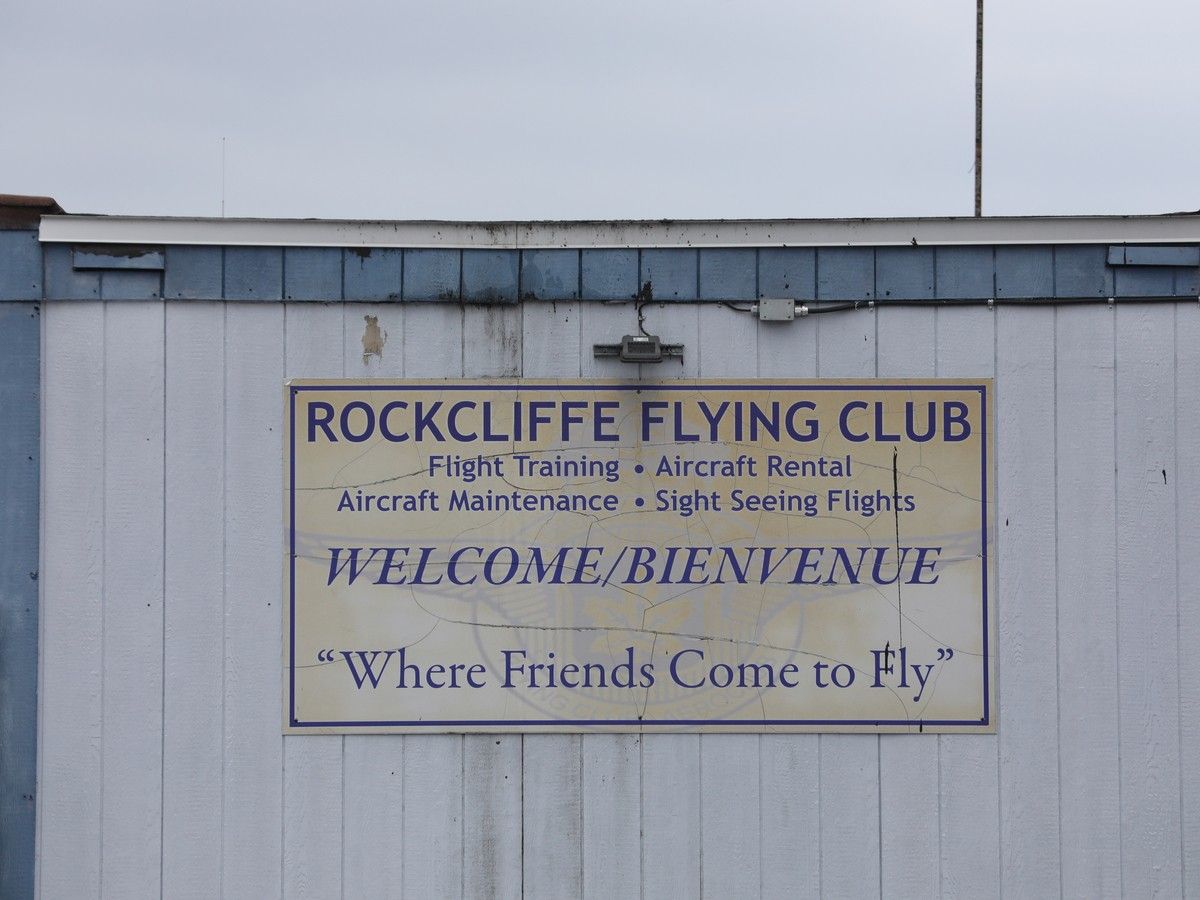
Operations previously paused ‘out of an abundance of caution’
CUPE highlighted three broad safety concerns, including “aircraft serviceability, safety culture and compliance with procedures and manuals.”
In February 2026, the flying club paused operations for a few weeks “to listen, understand and investigate” the safety concerns raised by employees, said Andrew Loschmann, president of the board of directors.
During that period, all flight instructors were temporarily laid off. In March, when operations resumed, the flying club sent out a recall notice to employees on the basis that those concerns had been addressed.
But Chalupiak says workers have expressed that those cultural safety concerns remain.
“The biggest problem, I would say, aside from the fact that it should not have taken this long is that … when the certification came in, there had also been some serious issues raised with the safety of some of the aircraft,” Chalupiak said.
Loschmann, the club president, said the pause operations came in response to reports filed in their Safety Management System portal, where anyone could submit an online report should they notice “anything unsafe or potentially hazardous.”
“This is a process by which anyone — whether it’s the general public, a pilot, an employee — can submit safety concerns,” Loschmann said.
Chalupiak said the February shutdown to address some safety concerns had been a positive sign, but there was a lack of transparency once operations resumed a month later.
“The only thing that the employer had to do was to prove that the aircraft were safe and show the documentation because they would have had to work with Transport Canada to make sure these planes were safe before they reopened operation,” Chalupiak said.
Loschmann said club operations resumed once Transport Canada was “confident that the concerns were mitigated.
“There are layers and layers of safety associated with operating a flight school,” Loschmann said. “And Rockcliffe Flying Club has met all the Transport Canada regulations required, but that doesn’t mean that somebody can’t say they have a concern.”
CUPE and the workers allege that the club replaced most of the instructors who had originally raised the safety concerns.
Regarding workplace culture safety concerns, Loschmann said, “It’s always true that you can improve and you can continue to work, and that’s the case here, too.”
Loschmann said he could not comment on the nature of the specific technical concerns regarding the club’s aircrafts. While those details are not available to the general public, he said they were available internally.
“I will say that none of the technical concerns are secret. They are shared within the Rockcliffe Flying Club member base and they are publicly — within the membership — available to all pilots, including students that would be flying a plane.”
Chalupiak said transparency on the part of the club was important.
“We can all understand that aviation can be very dangerous and there’s very strict and very strenuous rules for safety there,” Chalupiak said. “Especially with the backdrop of safety issues having caused the tragic (Air Canada plane-fire truck) crash in New York … It’s important to know that these safety protocols are in place for a reason, and it’s important the people be able to live and work and learn in a place that prioritizes safety and transparency.”

