While the country’s
housing affordability crisis
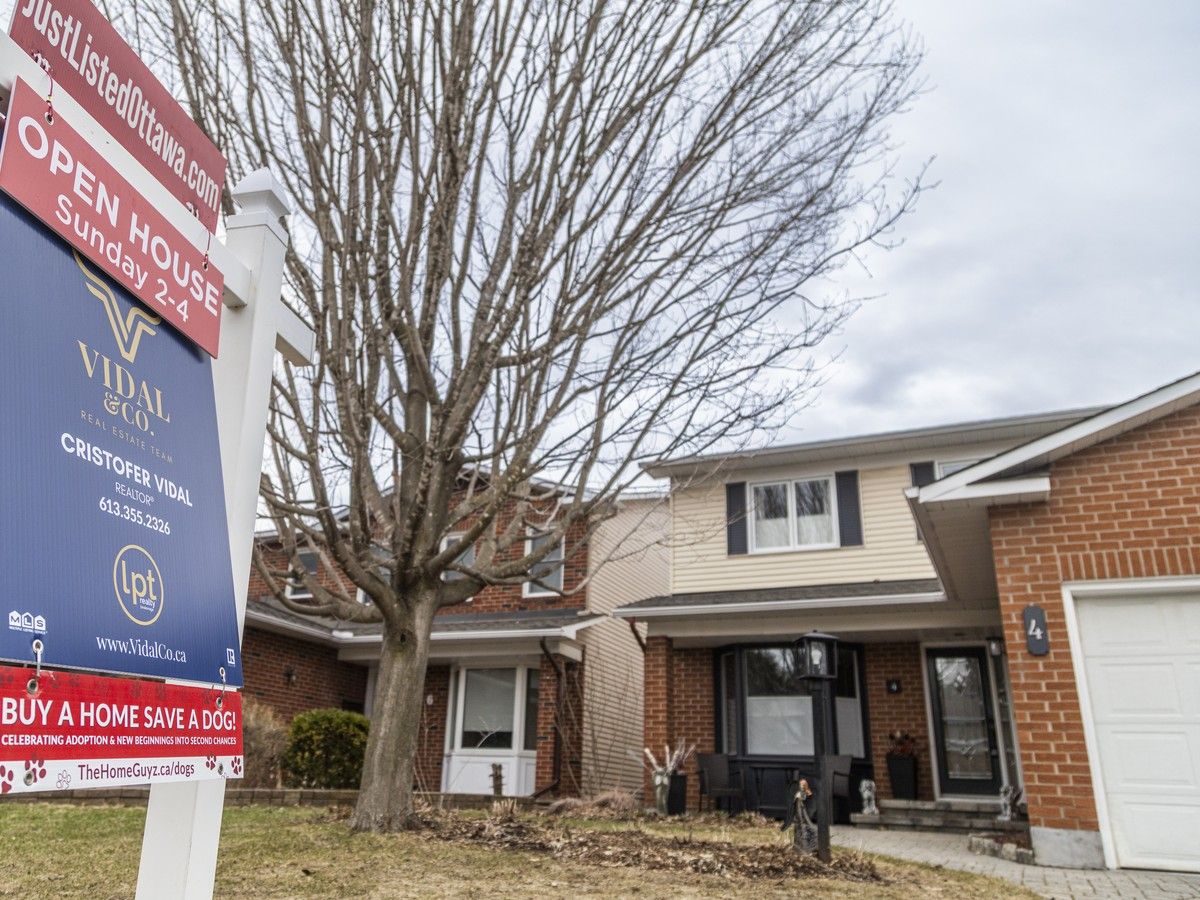
continues to grow inexorably, a recent report by a Canadian real estate market watcher has found that seven of the top 10 most affordable Ontario markets for homes/housing were in the Ottawa and Ottawa Valley regions.
The “Zolo report” examined average home prices, income, population growth and unemployment rates for 96 Ontario towns and cities to create its rankings.
And the results showed that Arnprior, Carleton Place and Rockland were most
affordable
among smaller cities with populations between 10,000 to 30,000.
Arnprior, about a 45-minute car ride from Ottawa, is located in the Ottawa Valley and has a population of 11,305. The average house price for the town was $399,995 in February 2026, when the study was conducted.
The average home price for Carleton Place was $642,500 and Rockland sat at $580,000 at the time of the study.
“Small cities are affordable options for Ontarians,” the report read. “And many are within commuting distance of a larger city.”
Among larger “cities”, the report ranked Kanata and Nepean as the top two of the three most affordable Ontario communities with a population of over 100,000.
The average home price in Kanata was $623,750, with Nepean slightly less pricey ($615,000). However, the average household income price in Kanata ($146,600) outranked Nepean ($137,000), according to the report.
Zolo Realty publishes occasional real estate trends and insights into homes across the country. It also provides users with a nationwide breakdown of real estate and allows search by price, bedroom or type (house, townhouse or condo). Zolo said it based its rankings on home price-to-income ratio and based its list for the 96 markets from the federal government’s Economic Regions breakdown of Ontario cities by population size.
But the Zolo report is only part of the full picture for
affordability in the capital
.
Despite the generally positive tone of the Zolo analysis, the Canada Mortgage and Housing Corporation is somewhat less positive in its recent outlook for the capital area. CMHC predicts sales for existing homes to “stay steady in Ottawa,” according to the CMHC’s 2026 Housing Market Outlook.
Despite an expected rise in income growth, lower home prices and reduced mortgage costs in Ontario in 2026, which CMHC says will boost demand, sales are expected to remain below the 10-year average for Ontario, according to CMHC 2026 outlook on the Ontario housing market.
The most recent CMHC index on Canada’s housing crisis also provides some
context for Ottawa
. The index showed that the capital was hit with two waves of the affordability crisis for homeowners.
The National Housing Bank also released its own Housing Affordability Monitor report, which suggested that Ottawa homes were actually becoming more expensive.
The report suggested that even though affordability in the Ottawa/Gatineau region deteriorated toward the end of 2025, the region was still “more affordable than the urban average.”
The report calculated its average using the “Mortgage Payment as Percent of Income (MPPI), which is a metric that incorporates three factors — housing prices, income and interest rates — to measure long-term trends in home ownership affordability.
The MPPI for the Ottawa/Gatineau region was 43.3 per cent compared with a 51.6 per cent average for urban areas.
The
City of Ottawa
is doing its part to create more affordable housing across the city through the Affordable Housing Community Improvement Plan (CIP).
About two years ago, in April 2024, the CIP plan was approved by council with the goal to increase the supply of affordable housing in Ottawa and reduce financial barriers to developing affordable rental housing units.
Our website is your destination for up-to-the-minute news, so make sure to bookmark our homepage and sign up for our newsletters so we can keep you informed.
Related
- Ottawa’s ‘bubble bylaw’ could take effect this summer
- University of Ottawa student union calls for better safety communications protocol