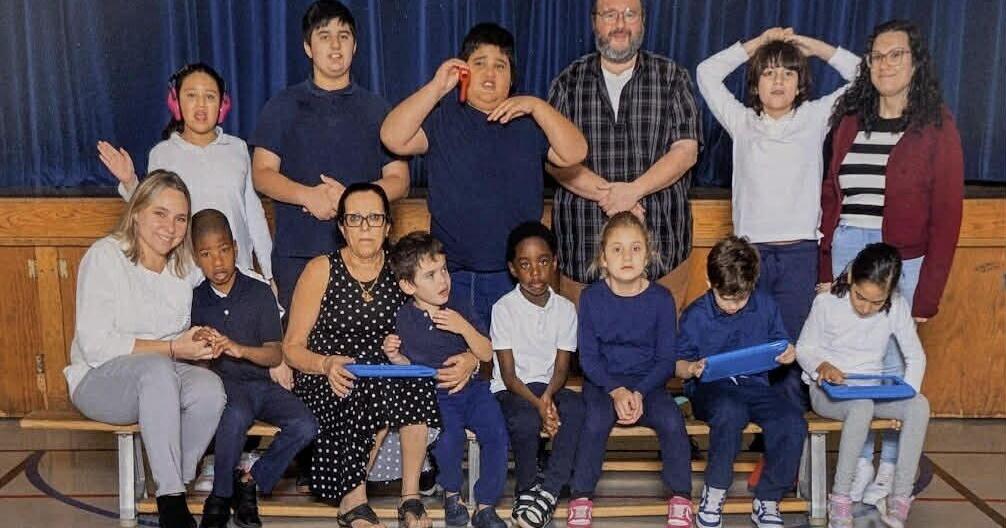
Parents of children with complex special education needs at a Toronto Catholic school are fighting the relocation of an intensive support program, warning the move could undo years of progress and compromise student safety.
The Toronto Catholic board plans to move a “multiple exceptionalities/developmental disabilities” class of 10 students at St. Matthew Catholic School this September to the newly built St. Fidelis Catholic Elementary school that offers a modern purpose-built space. But given the intense pushback from parents, board staff say they will review the decision.
Parents say uprooting their kids, most of whom are autistic and non-verbal, risks disrupting established routines and strong relationships with staff. Although school bus transportation will be provided to St. Fidelis, about 6.5 kilometres away, parents worry the roughly 15-to-30-minute ride could distress some students, which raises safety concerns.
“Why fix something that’s not broken? Why take away what is clearly working for students and parents?” asks Nicole Rebelo, whose high-needs son is in the program. He currently rides the bus for just five minutes and routinely escapes his harness, sometimes harming himself by banging his head when upset.
“The kids will not be happy to see new faces and a new space. And if they have to take transportation, that is going to devastate them.”
Families also criticized the lack of transparency, having learned of the move through word of mouth, rather than official channels. Only after parents started a petition, and media reports surfaced, did the board notify parents about the relocation on Wednesday afternoon.
That night, parents delivered impassioned speeches to the Toronto Catholic District School Board’s special education advisory committee, which is made up of members from organizations that represent parents of children with disabilities and special education needs.
At the meeting, attended by senior staff, parents described St. Matthew’s “amazing staff” and said they worry about kids being transported because bus drivers aren’t trained to manage non-verbal children who are lashing out and having a “meltdown.”
“It’s like we’re risking their life every day doing that,” said one parent. “We’re going to live in fear.”
Mother Diane Dias says parents worry a change in routine will result in kids regressing, with them no longer wanting to go to school and throwing tantrums.
“You guys don’t understand what you’re putting us through,” she said at the meeting, fighting back tears. “All of this change — it’s too much.”
Dias says families of children with special needs have been shut out of meaningful discussions and decision-making that has real consequences for kids who rely on stability, routine and trusted relationships to succeed.
Cristina Fernandes, executive superintendent of student achievement, innovation and well-being, said at the meeting that the TCDSB will give the decision “a second look,” noting it’s “not a done deal completely.” She acknowledged the communication rollout to parents did not meet TCDSB standards and took full responsibility.
Staff said the relocation is not a budgetary move. The decision stems from an annual review of facilities. Also, St. Fidelis has a purpose-built space that offers superior technology, specialized furniture and accessible washrooms. They also said they would review if additional support or security measures would be required during transportation.
Maria Meehan, superintendent of special services and mental health, said the TCDSB would support families through the transition. For instance, this may include site visits to St. Fidelis or the creation of a “social story,” which is a personalized visual narrative often used to help autistic students navigate transitions and new environments.
“We do have a number of months to prepare for the transition and, as always, we work with families, we listen to their concerns and their questions, and we want to make sure we are working alongside them,” she said.
The TCDSB says multiple exceptionalities/developmental disabilities placements are offered at various school sites serving students from across the system. The board regularly reviews special education program locations to ensure students are learning in environments that best support their needs.