- Images from the mission provide a rare, poetic view of Earth from deep space after over 50 years.
Tiger Woods-level headlines might be dominating a lot of folks’ feeds right now, but on the science side, Artemis II is quietly delivering the kind of images that make people stop scrolling. NASA’s first crewed Artemis mission launched April 1, 2026, sending four astronauts — Reid Wiseman, Victor Glover, Christina Koch, and Canadian astronaut Jeremy Hansen — on a roughly 10-day trip around the Moon and back aboard Orion. More than just another space mission, this one is the first time since Apollo 17 in 1972 that humans have left Earth orbit and headed back toward the Moon, which is exactly why these fresh photos of Earth hit so differently.
What makes Artemis II feel even bigger is the crew itself. Victor Glover is part of a team that NASA has long framed as historic, with the mission including the first woman, the first Black astronaut, and the first Canadian set to travel to the Moon. That gives the whole trip added weight before Orion even makes its lunar flyby. Artemis II is not about landing yet; it is about proving NASA’s Space Launch System rocket and Orion spacecraft can safely carry humans into deep space and bring them home, setting the stage for the next era of lunar exploration.
And that is why these Earth photos matter so much. Space imagery is everywhere these days thanks to satellites and the International Space Station. Still, there is a different feeling that comes with photos captured during humanity’s first crewed mission toward the Moon in more than half a century. These are the kinds of views that remind people just how small, bright, and fragile Earth looks once it is surrounded by nothing but darkness. It is one thing to hear that humanity is heading back into deep space. It is another thing, actually, to see home from that distance.
The journey itself is historic for more than just the visuals. Artemis II was expected to send its crew farther from Earth than any humans in history, surpassing the Apollo 13 record, and that milestone adds even more weight to what the mission represents. To be clear, that does not mean Orion is the farthest spacecraft ever, because robotic probes have gone much farther. But in terms of human spaceflight, Artemis II is rewriting the record books and reminding the world that this generation is witnessing a real return to deep-space travel.
There is also something poetic about the timing. Artemis II’s lunar flyby gives the crew a chance to observe both the near and far sides of the Moon while testing Orion in the exact kind of deep-space conditions NASA needs to master before future missions go even further. That means the photos coming back are not just beautiful — they are proof of concept. They show a mission doing what it was designed to do while also giving the public a rare visual reminder of what exploration actually looks like in real time.
That is really the best way to look at these images: not just as beautiful shots of Earth, but as receipts. Receipts that NASA is back in crewed deep-space mode. Receipts that Artemis II is already one of the defining space missions of this era. And receipts that after more than 50 years, humanity is once again getting fresh views of Earth from a human crew headed toward the Moon — images that make the planet look less like a map or a headline and more like one precious little light floating in a whole lot of darkness.
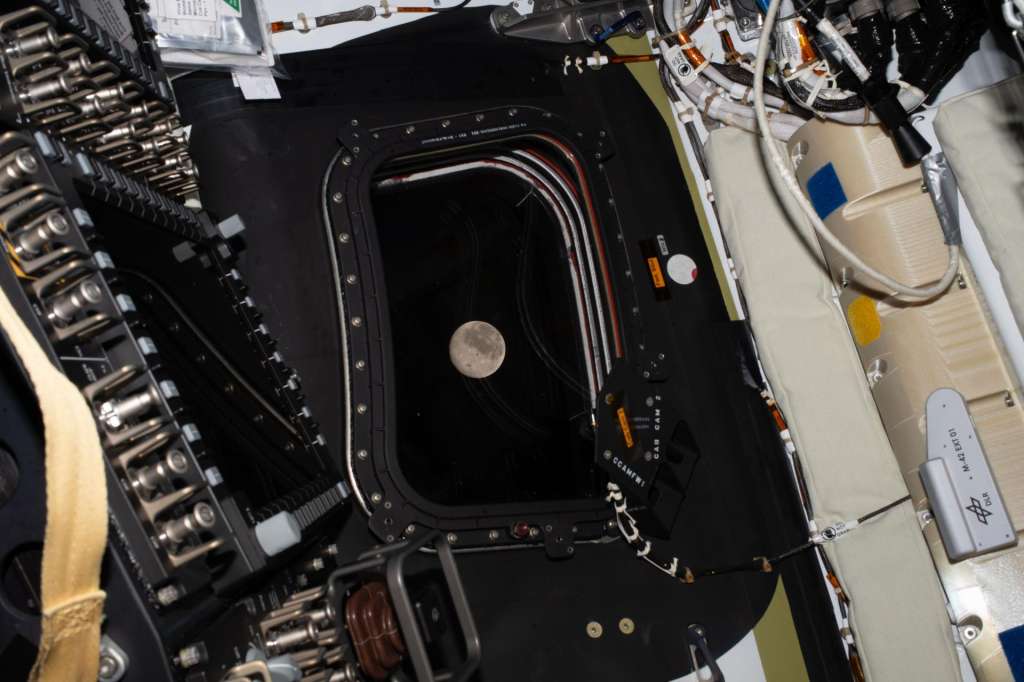
Before going to sleep on flight day 5, the Artemis II crew snapped one more photo of the Moon, as it drew close in the window of the Orion spacecraft. Orion and the four humans aboard entered the lunar sphere of influence at 12:37 a.m. EDT on April 6, at the tail end of the fifth day of their mission. That marked the point at which the Moon’s gravity had a stronger pull on the spacecraft than the Earth’s. Artemis II’s closest approach to the Moon will come on flight day 6, as they swing around the far side before beginning their journey back to Earth. About an hour after entering the lunar sphere of influence, Artemis II Mission Specialist Christina Koch said, “We are now falling to the Moon rather than rising away from Earth. It is an amazing milestone!”
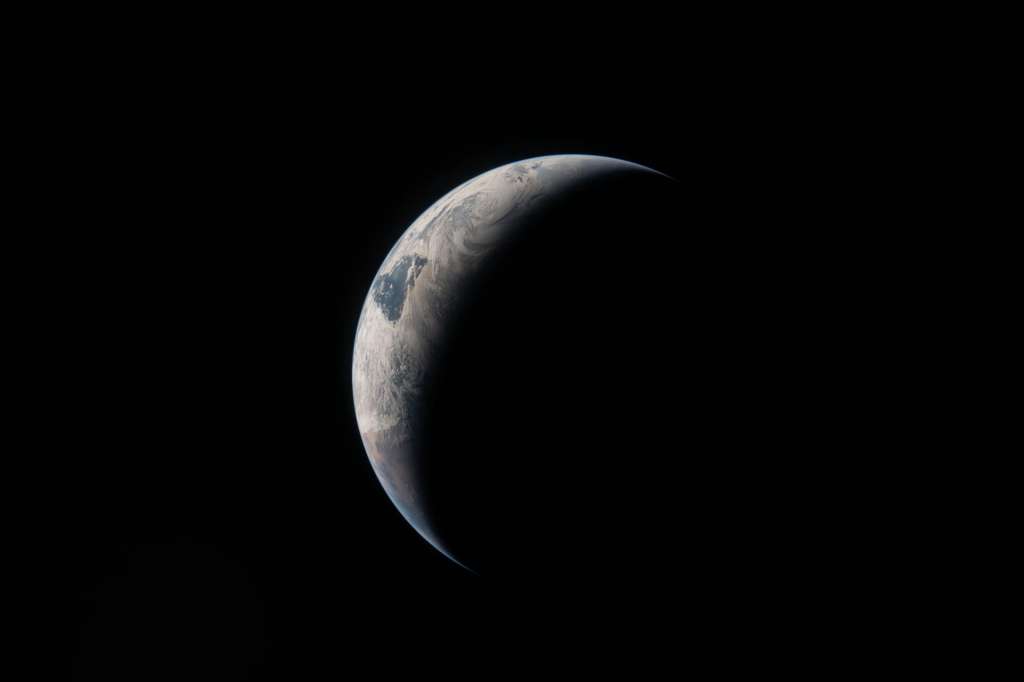
A thin arc glowing in the darkness of space. Sunlight traces the curves of the ocean and clouds, while the rest of the planet fades into shadow.
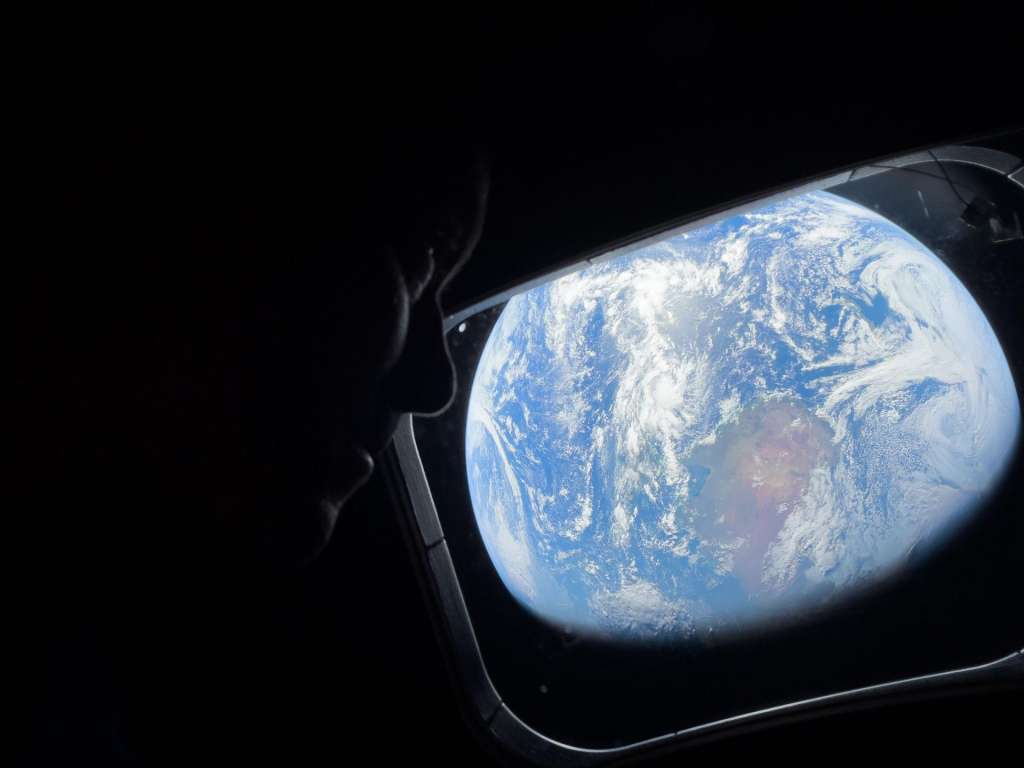
NASA astronaut and Artemis II Commander Reid Wiseman peers out of one of the Orion spacecraft’s main cabin windows, looking back at Earth, as the crew travels towards the Moon.
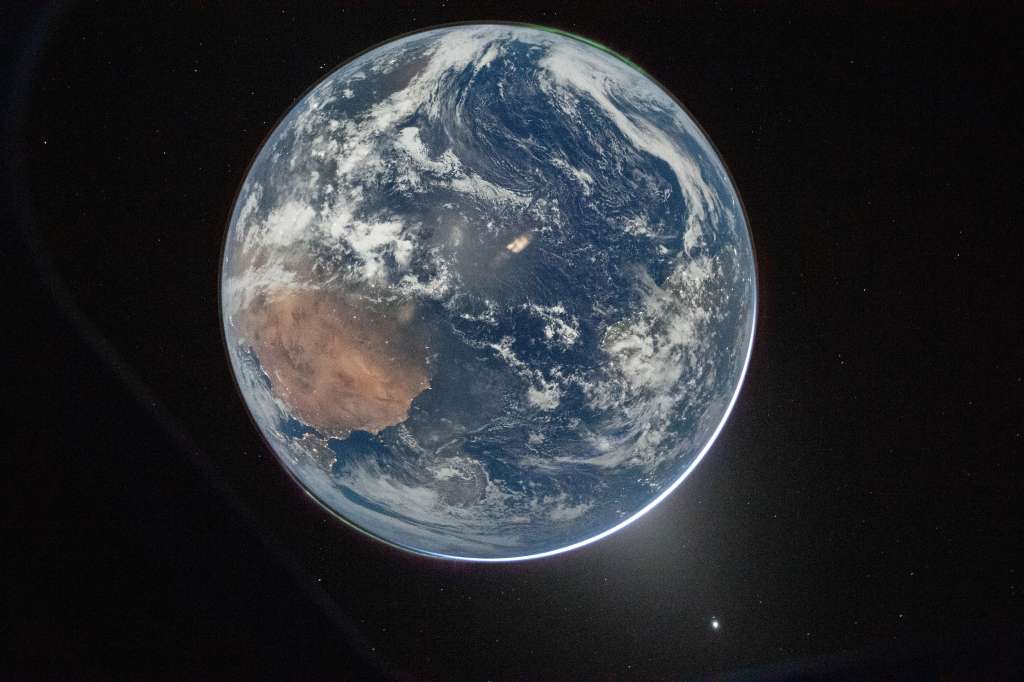
NASA astronaut and Artemis II Commander Reid Wiseman took this picture of Earth from the Orion spacecraft’s window on April 2, 2026, after completing the translunar injection burn.
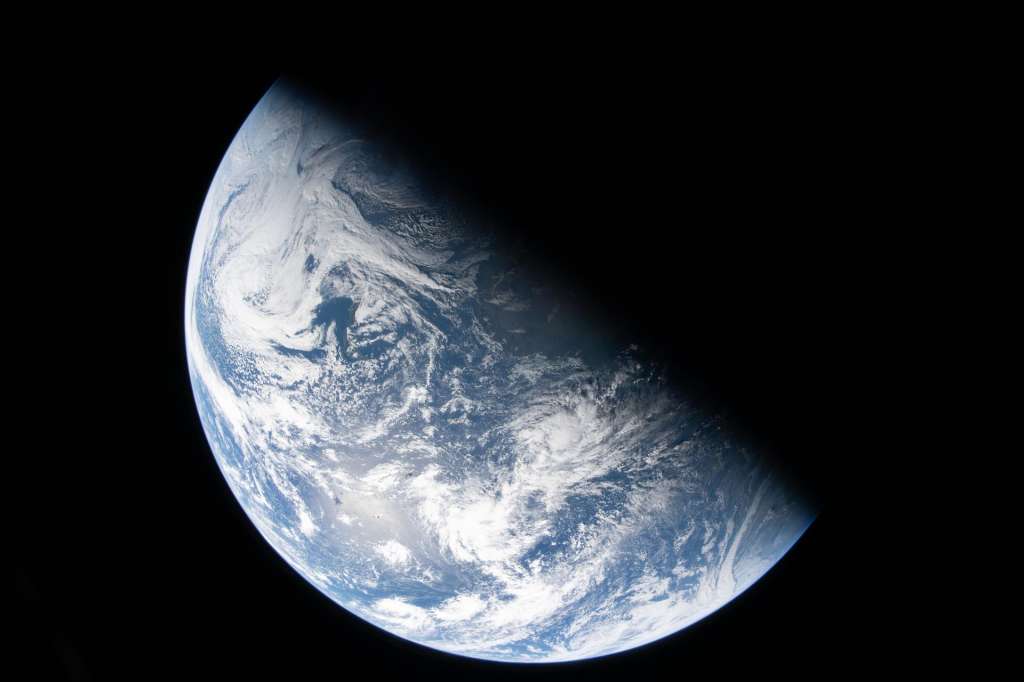
A view of Earth taken by NASA astronaut and Artemis II Commander Reid Wiseman from one of the Orion spacecraft’s four windows after completing the translunar injection burn on April 2, 2026.
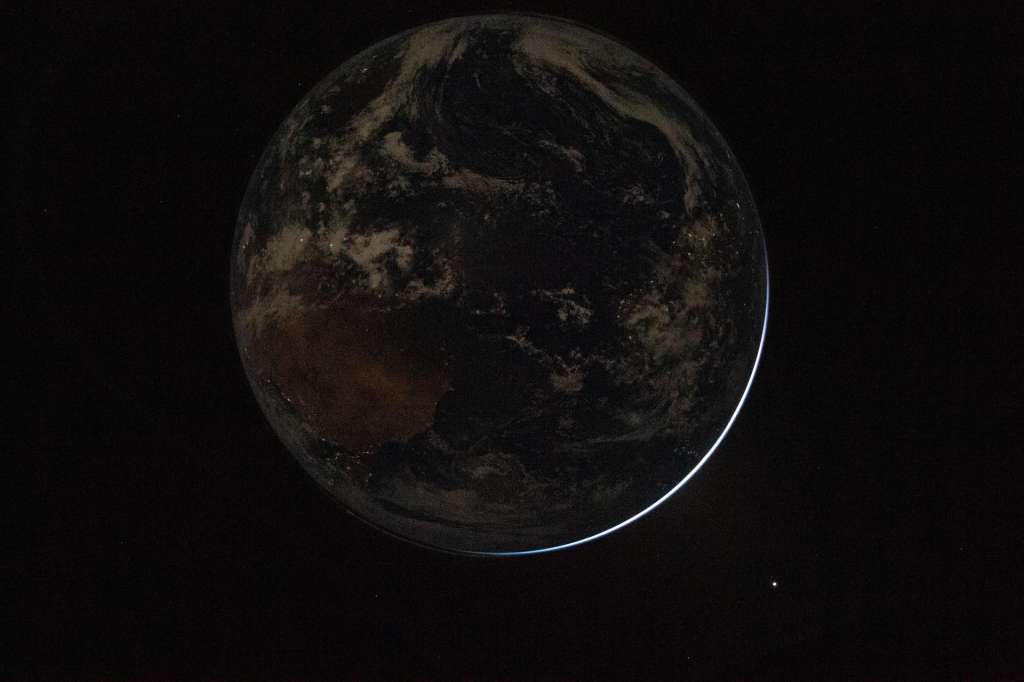
A view of a backlit Earth taken by NASA astronaut and Artemis II Commander Reid Wiseman from one of the Orion spacecraft’s window after completing the translunar injection burn on April 2, 2026.
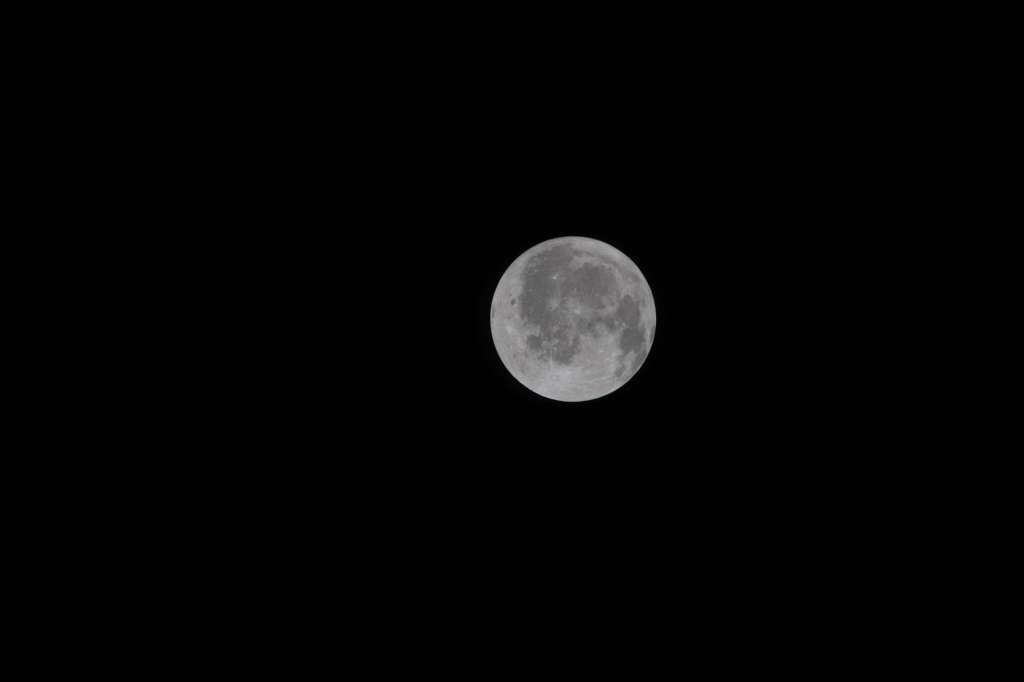
A view of the Moon taken by an Artemis II crewmember through the window of the Orion spacecraft on the third day of the mission.
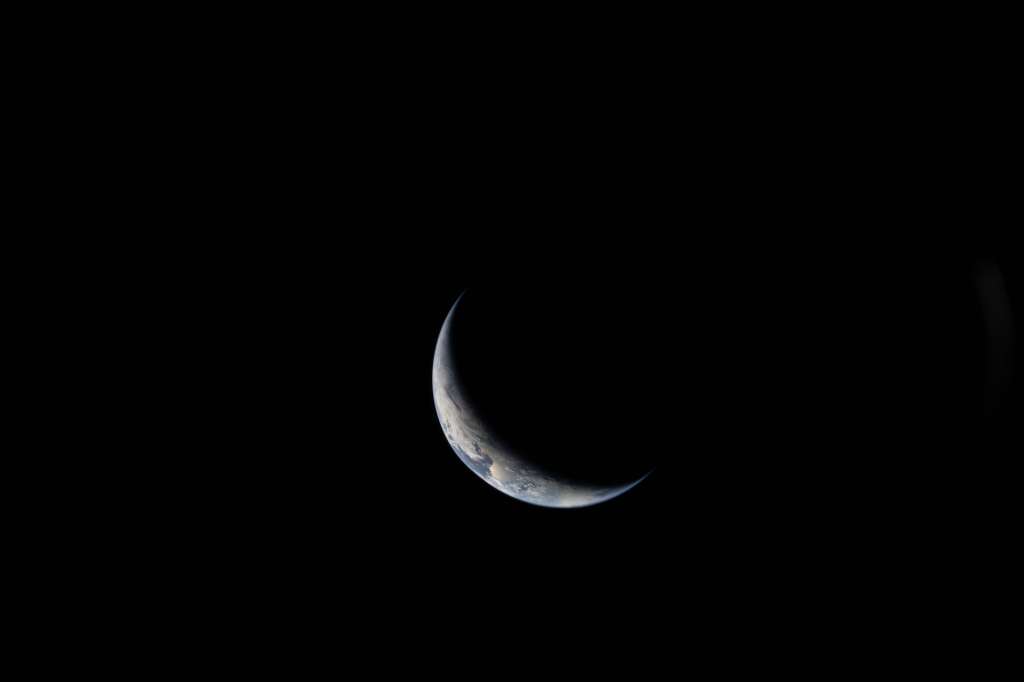
A sliver of Earth is illuminated against the blackness of space in this photo taken by an Artemis II crew member through an Orion spacecraft window on the third day of the mission.
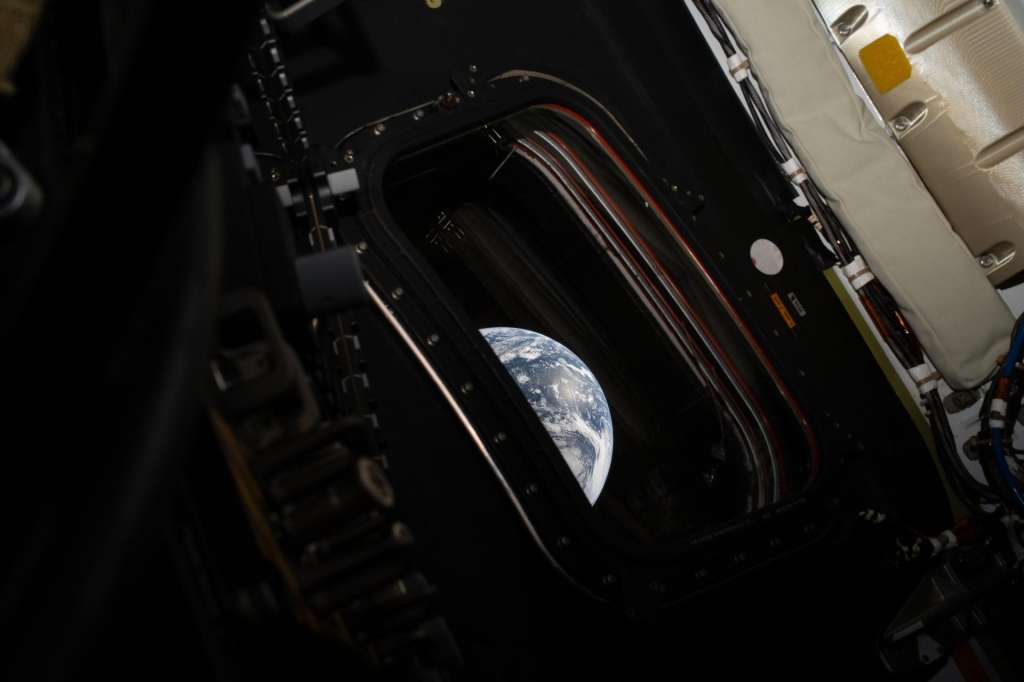
A view of Earth taken by NASA astronaut and Artemis II commander Reid Wiseman from one of the Orion spacecraft’s four main windows after completing the translunar injection burn on April 2, 2026.
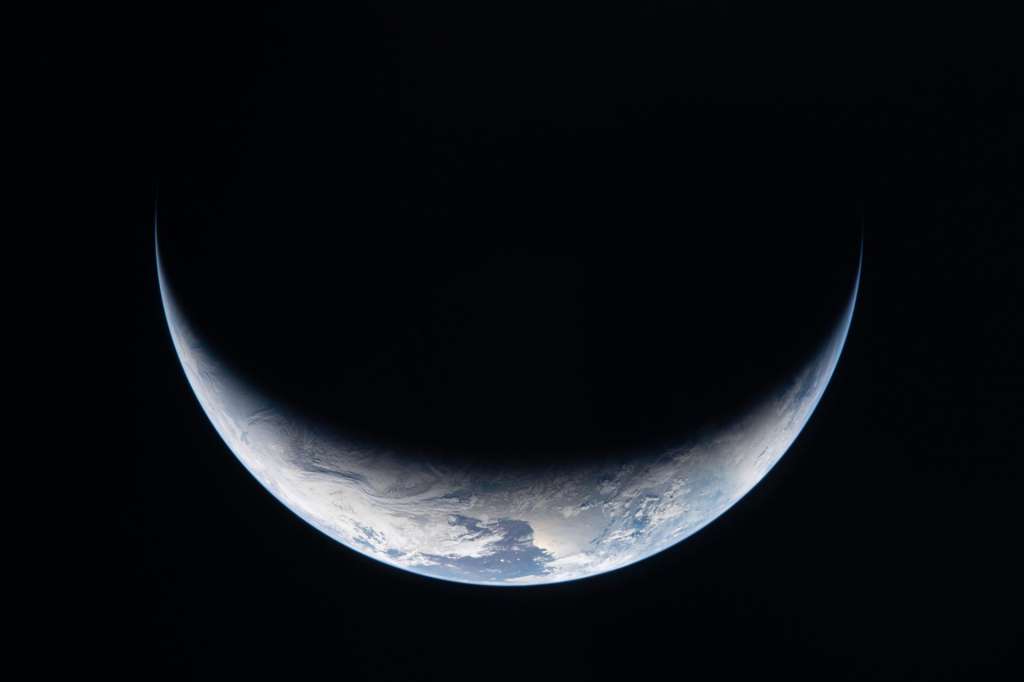
A sliver of Earth is illuminated against the blackness of space in this photo taken by an Artemis II crew member through an Orion spacecraft window on the third day of the mission.
SEE ALSO:
Who is Victor J. Glover?: Artemis’ Black Astronaut Headed To The Moon
Black Astronauts Who Have Been To Space
View From Space: Artemis II Photos Show Earth Like You’ve Never Seen It Before
was originally published on
newsone.com