

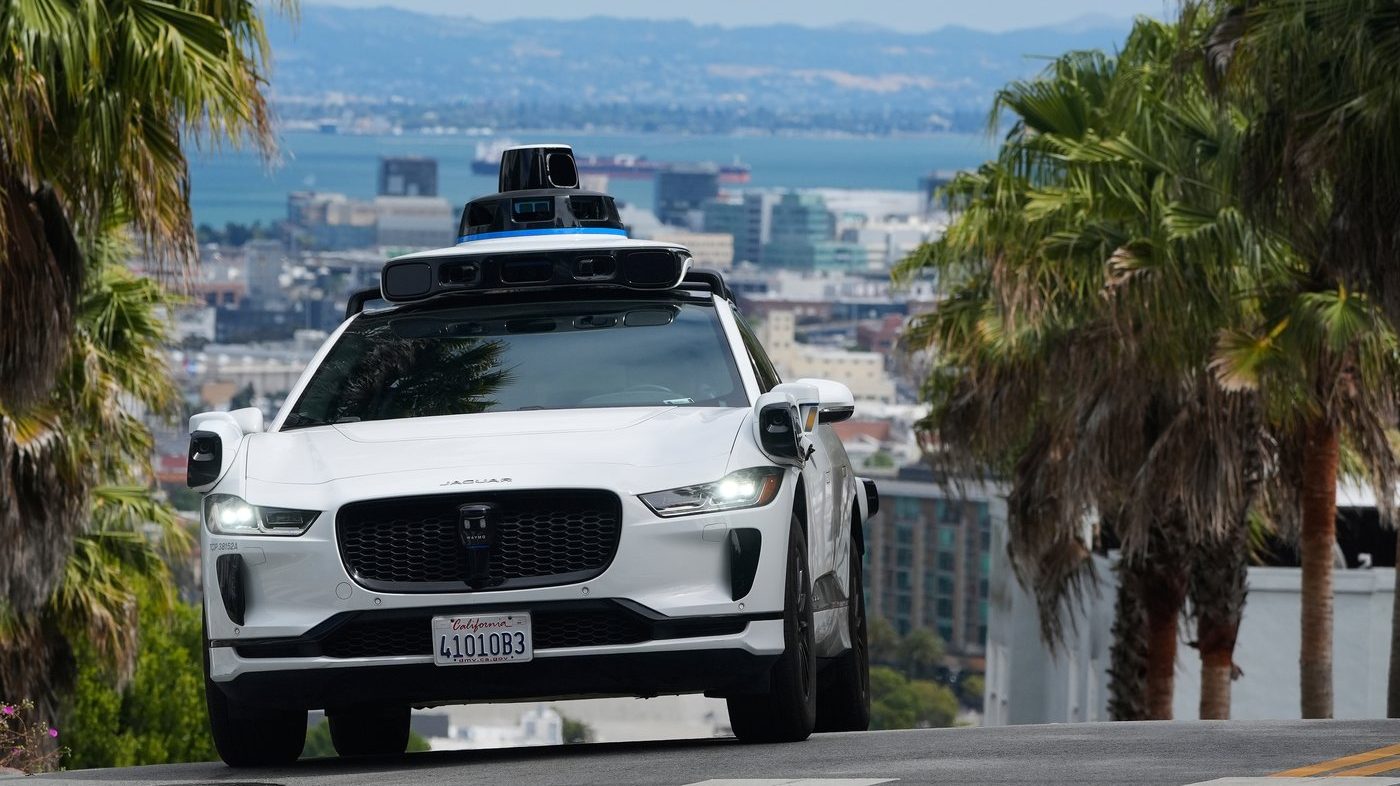
Waymo, the American self-driving tech company, is looking to expand its popular robotaxi service into the Canadian market.
Representatives for the California-based tech company confirmed on Friday that it would like to see its autonomous ride-hailing service operating in some of Canada’s biggest cities and said it is working to make it happen.
“Waymo has global ambitions,” spokesperson Ethan Teicher wrote in a statement to CityNews. “We are engaging with officials across Canada to help explain our technology and advocate for legal frameworks that would allow us to bring our fully autonomous ride-hailing service to Canada in the future.”
Waymo is a subsidiary of Alphabet Inc., which is Google’s parent company. It currently operates its robotaxi service in a limited number of urban areas throughout the United States and recently announced plans to expand into 12 major cities – mostly in states with warmer temperatures where there are fewer weather challenges like ice and snow.
Registered lobbyists
According to records from the City of Toronto, Waymo’s co-CEO, Tekedra Mawakana, and two other employees were recently approved as registered lobbyists on Nov. 6, 2025, for the purpose of “communicating about the potential development of by-laws and regulations related to autonomous driving technologies, including as it relates to operational authorizations, commercial operations, goods delivery operations and ridehail operations.”
In April, Waymo claimed to have delivered more than 250,000 weekly rides, but a leaked investor letter that was obtained by CNBC in December 2025, suggests that the company has seen a surge in popularity over the last few months with ridership increasing to more than 450,000 rides per week in cities where the service is available.
Tesla, the automotive company owned by billionaire Elon Musk, is also working on a similar robotaxi service and launched full commercial service in Austin, Texas last month.
Safety concerns
Government officials in Ontario previously pulled the plug on a pilot project that would test self-driving shuttle buses on Toronto roads after one vehicle crashed into a tree in Durham Region and seriously injured an attendant on-board.
Toronto has considered other projects involving autonomous vehicles, including a 2025 pilot program to test self-driving delivery vehicles.
Safety has been a major concern of autonomous vehicle development after the world’s first death caused by a self-driving car in 2018, when an Uber test car struck and killed a woman in Tempe, Arizona.
With files from The Canadian Press.

