

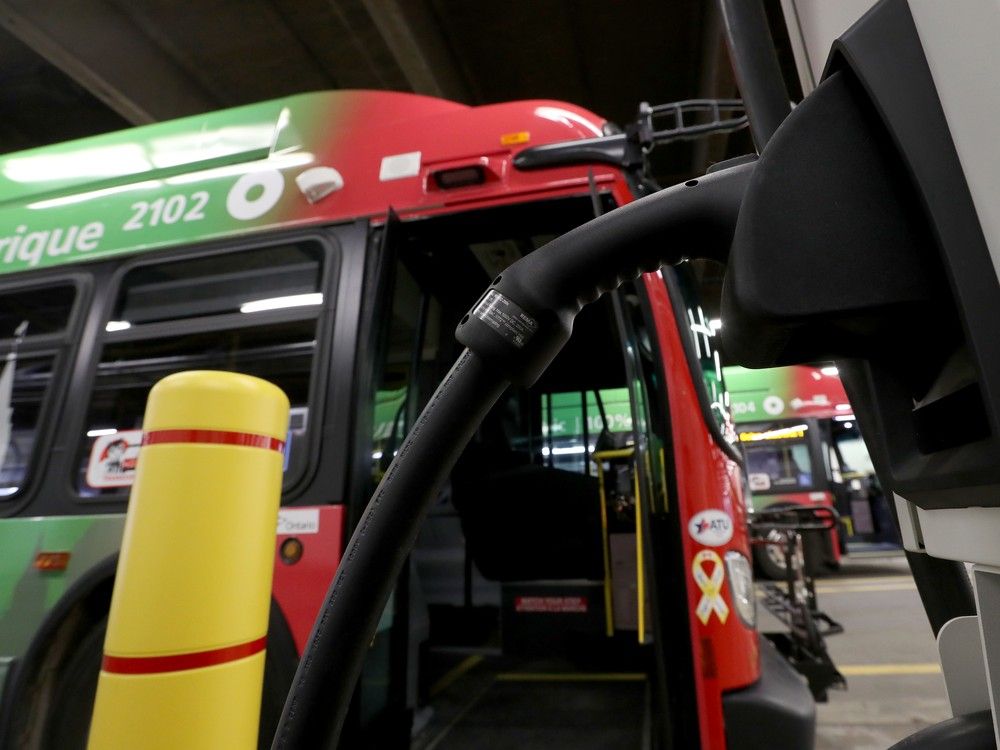
If you’ve taken the bus, you know what it’s like to wait for the bus.
Well now you’re not waiting alone, because city politicians and bureaucrats are also now waiting for buses. And in this case that would be those e-buses that OC Transpo ordered a few years ago.
It all started in 2023, and, after a successful pilot, the City of Ottawa ordered 350 e-buses, but so far only a fraction of them — around 30 — have arrived and hit the streets.
It’s taken so long to get all of them that city council has scaled back its zero-emission goal by passing a motion to consider the regular, old diesel, or hybrid-diesel buses in future purchases.
So why the wait?
Well, like most delays, it’s never one thing, and you can’t blame everything on past Covidean days.
For starters, typically, when they buy a bus, it takes a minimum of one year lead time before OC Transpo gets it.
In this case, though, there were questions about how city staff drafted the procurement documents. But whether that added to the delays is a moot point because, to save time and money, city staff stopped drafting its own tender for the large order of electric buses and instead tagged along with TTC’s procurement. Nothing like teaming up with a bigger player to buy in bulk.
Why go back to diesel?
We now turn to Coun. Wilson Lo. Probably the best to ask. Has a super background on this file. Not to mention he’s the councillor who raised the successful motion to consider old diesel options in the future against a backdrop of availability and delays.
Much more than that, he also used to be an OC Transpo driver out in Barrhaven, where he now serves as a councillor. He graduated from journalism school and then started driving the bus and got a feel for the community he now represents.
“There are general bus manufacturing delays, but some are exclusive to electric buses, mostly the batteries. It began in COVID as supply-chain issues, but have continued and have been made worse by a sharp increase in e-bus demand,” Lo says.
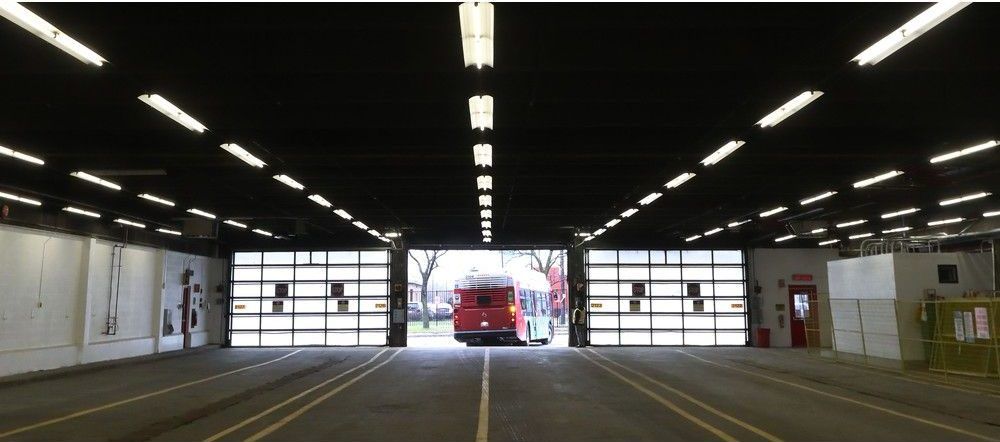
Is there a penalty for delayed buses?
“The penalty is the manufacturer doesn’t get paid until the vehicles get delivered. It’s heavier on the manufacturer, as e-buses have higher upfront capital costs,” Lo says. “My motion looks to open up all options for future bus procurements. The goal is to allow us to purchase the best bus for our needs, regardless of propulsion in the interest of service.”
Do we know anything more about the delays?
The head of the transit commission, Coun. Glen Gower, is a good one to ask. He knows about the bus because he lives out in Stittsville. More affordable than downtown if you don’t mind the commute. And he knows the file as head of the committee.
“Going way back to 2023, there were some delays in getting the final paperwork signed with the federal government, who are providing funding for this program. It might have delayed the order by a few months, but not really a big factor in the delays we’ve seen over the last year,” Gower says.
“Bus manufacturers across North America have been struggling to keep up with orders. Kind of a perfect storm: Lots of transit agencies in Canada and the U.S. started ordering electric buses all at once because the federal governments in both countries were offering funding; (and) coming out of the pandemic, there were staffing shortages at the manufacturers, and fractured supply chains.”
But the positive-minded councillor says there’s good news — and that’s that things are getting back on track.
The councillor says e-buses are popular among drivers and so far “no issues running them in the winter.” Exceeding performance expectations, he added.
Why did the city tag along with Toronto?
We mentioned earlier that the city joined forces with the Toronto Transit Commission, Gower says it made sense to join forces.
“That joint procurement with Toronto was for efficiencyL save time and money by buying in bulk. We both had similar requirements, so it made sense to team up,” Gower says.
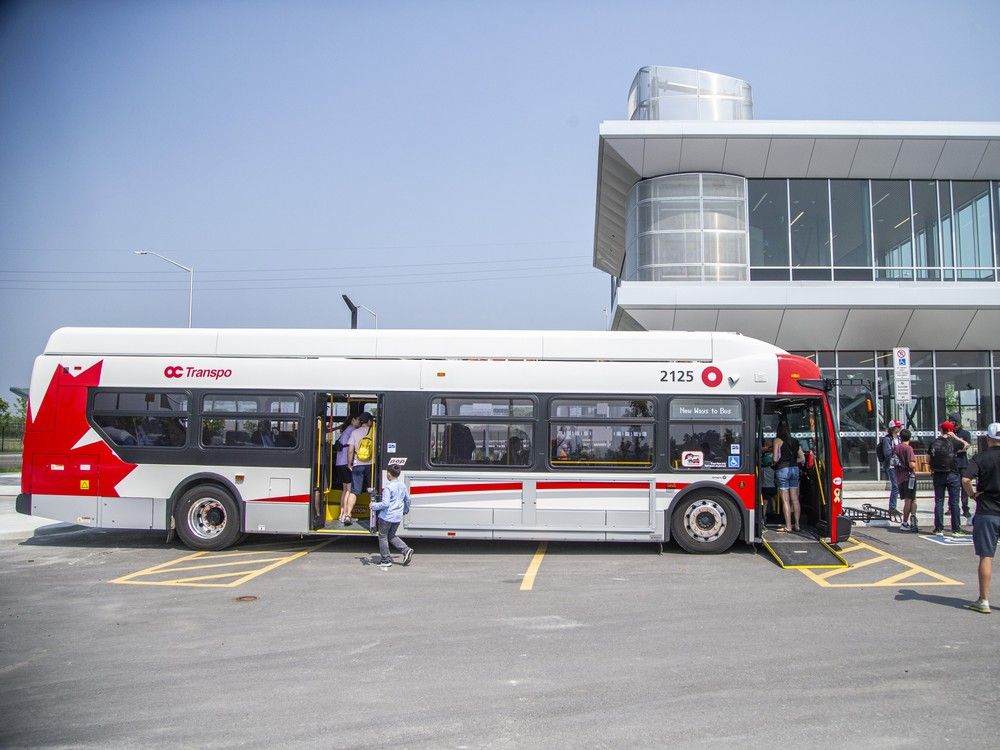
What else could cause delays?
Well, you might think it’s just about getting the buses, but there’s a lot of groundwork at OC’s end.
They need to upgrade the garages to allow the buses to be charged (i.e. install the charging infrastructure). They do have some garage bays at St. Laurent South Garage upgraded to house the existing electric bus fleet, but additional upgrades are required. They are presently doing upgrades to St. Laurent North Garage. They will also need to do work at the Merivale Garage on Colonnade Road.
Then there’s training for the drivers.
The e-buses have been ordered from New Flyer, a company that has been selling buses to Ottawa for more than 30 years and another company called NovaBus.
Bus manufacturers do have a backlog of electric bus orders from other transit systems in North America that they need to build.
How are the buses to drive?
Well, if you can drive a 40-foot diesel bus, you can drive an electric bus. The braking is a bit different because it’s regenerative, so, when you take your foot off the accelerator, the bus starts slowing down right away, much like driving a golf cart. So you slow down without touching the brake. I spoke to an OC driver who said he did a whole hour on a hybrid without touching the brakes.
How much does the whole thing cost?
The bill will be a whopping $974 million for 350 electric buses. This includes related charging infrastructure.
It’s all taxpayer money, but, if you want a breakdown, it’s $335 million in municipal funding, $289 million in a Canada Infrastructure Bank loan, and $350 million in federal funding through the Zero-Emission Transition Fund.
Fun fact: We just bought used diesel buses
Ottawa recently purchased 11 used 40-foot diesel buses from the Kitchener-Waterloo area to address immediate service reliability issues caused by mechanical breakdowns in the older city fleet.

