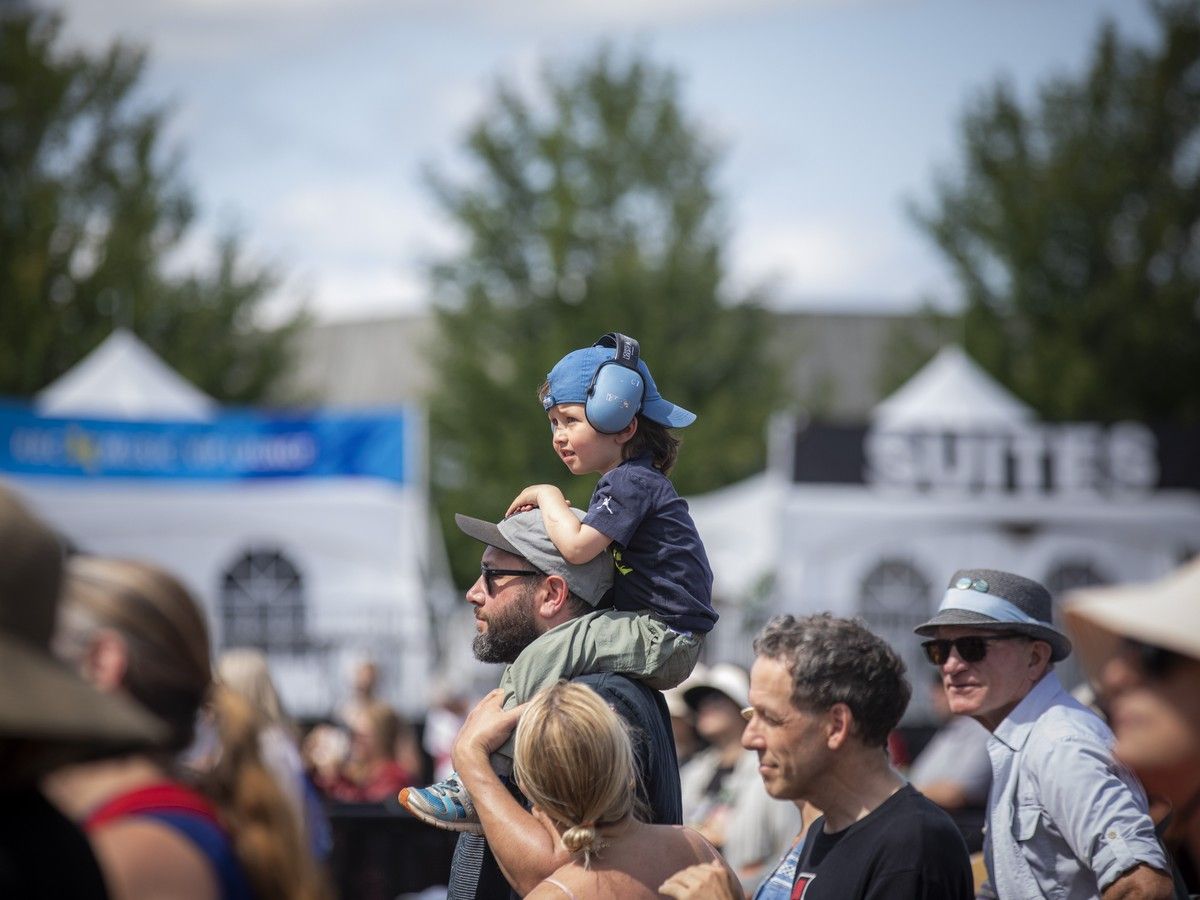
In a year when festivals around the world are paring down or going under, Ottawa Bluesfest has just wrapped up one of the most successful editions in its 32-year history.
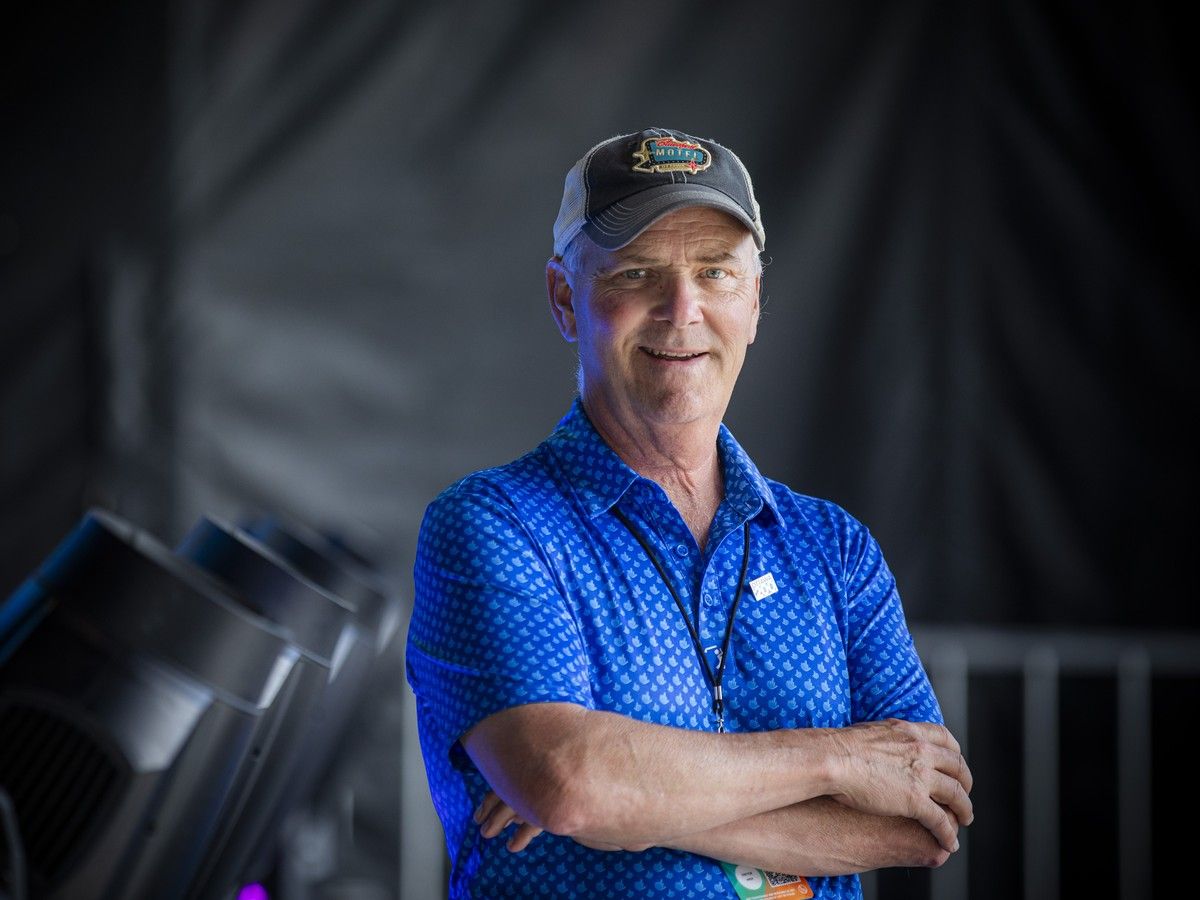
“Every night has been very successful,” said Bluesfest CEO and co-founder Mark Monahan, giving credit to his staff of highly experienced full-timers who look after every detail of Ottawa’s biggest live-music event, and pull it off with the help of some 2,000 volunteers .
“It looks like another great year for the team,” he added.
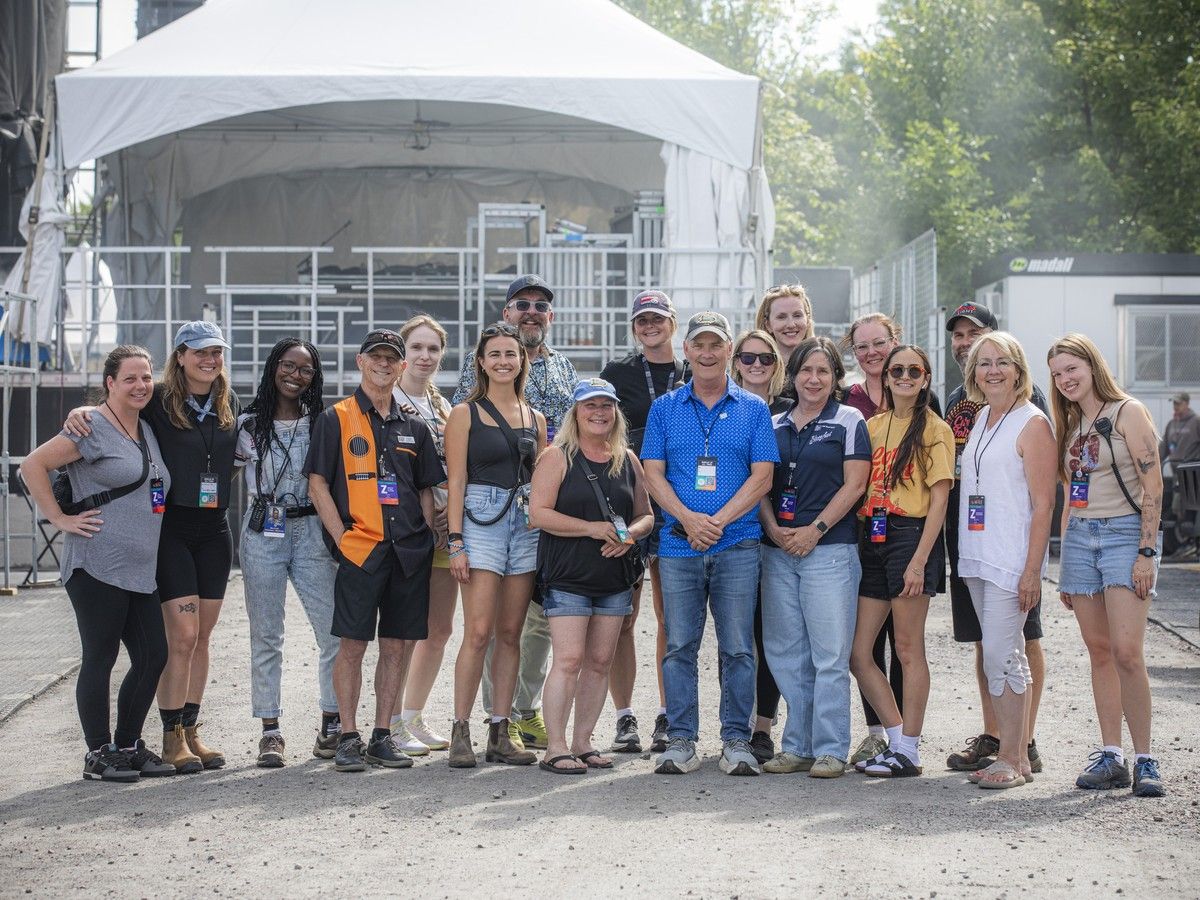
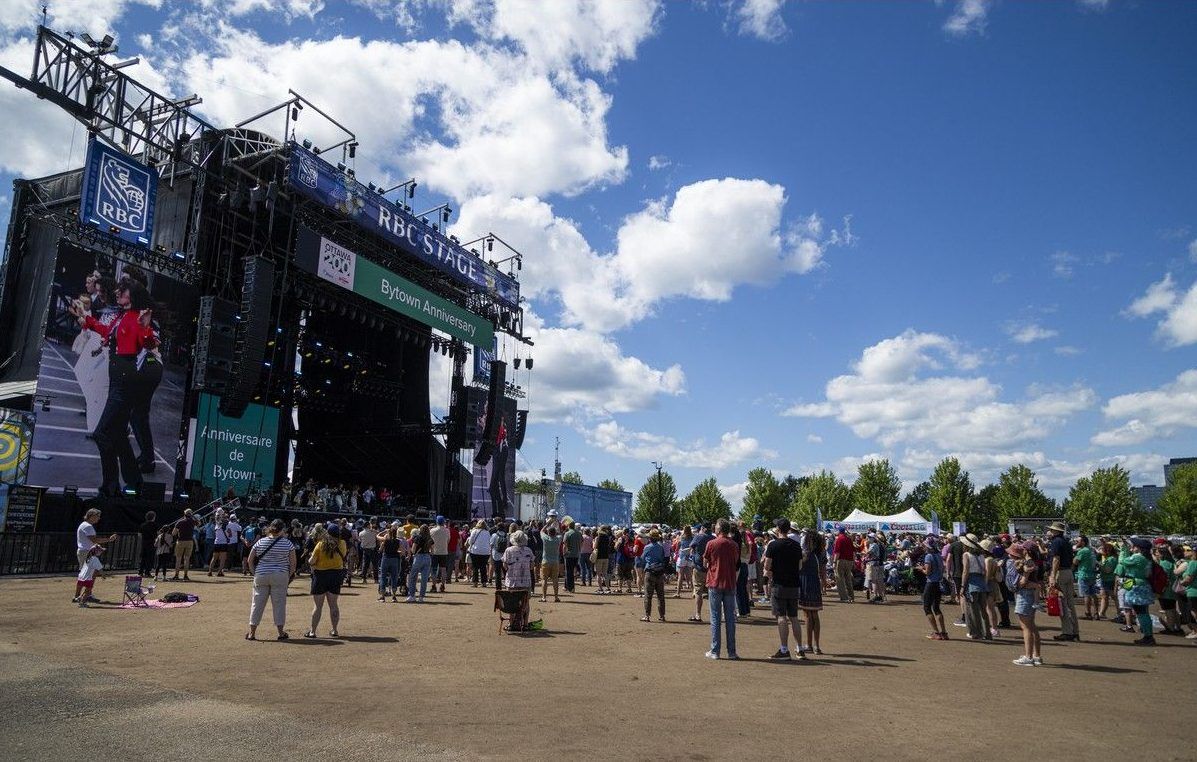
The festival ran from July 9-19 on the grounds of the Canadian War Museum at LeBreton Flats Park.
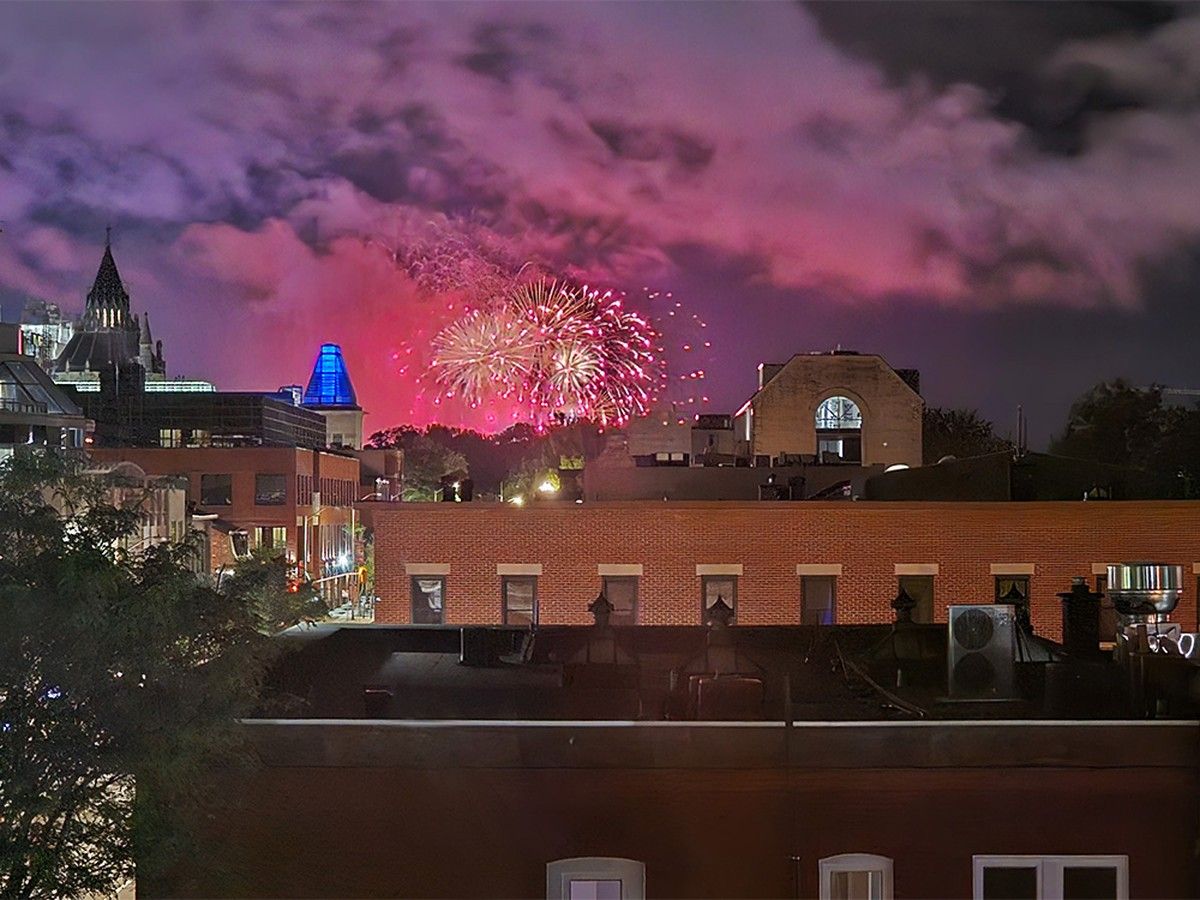
The main source of complaints this year was the unannounced deployment of the Canada Day fireworks on July 9 , Bluesfest’s opening night. The city got complaints about the noise and disruption, while the festival got complaints from people upset at missing the show.
Otherwise, it was smooth sailing for the Bluesfest operation, with Mother Nature on their side. Except for a couple of brief but torrential downpours and a stretch of sweltering heat, the evenings were pleasant, resulting in a consistent turnout each night.
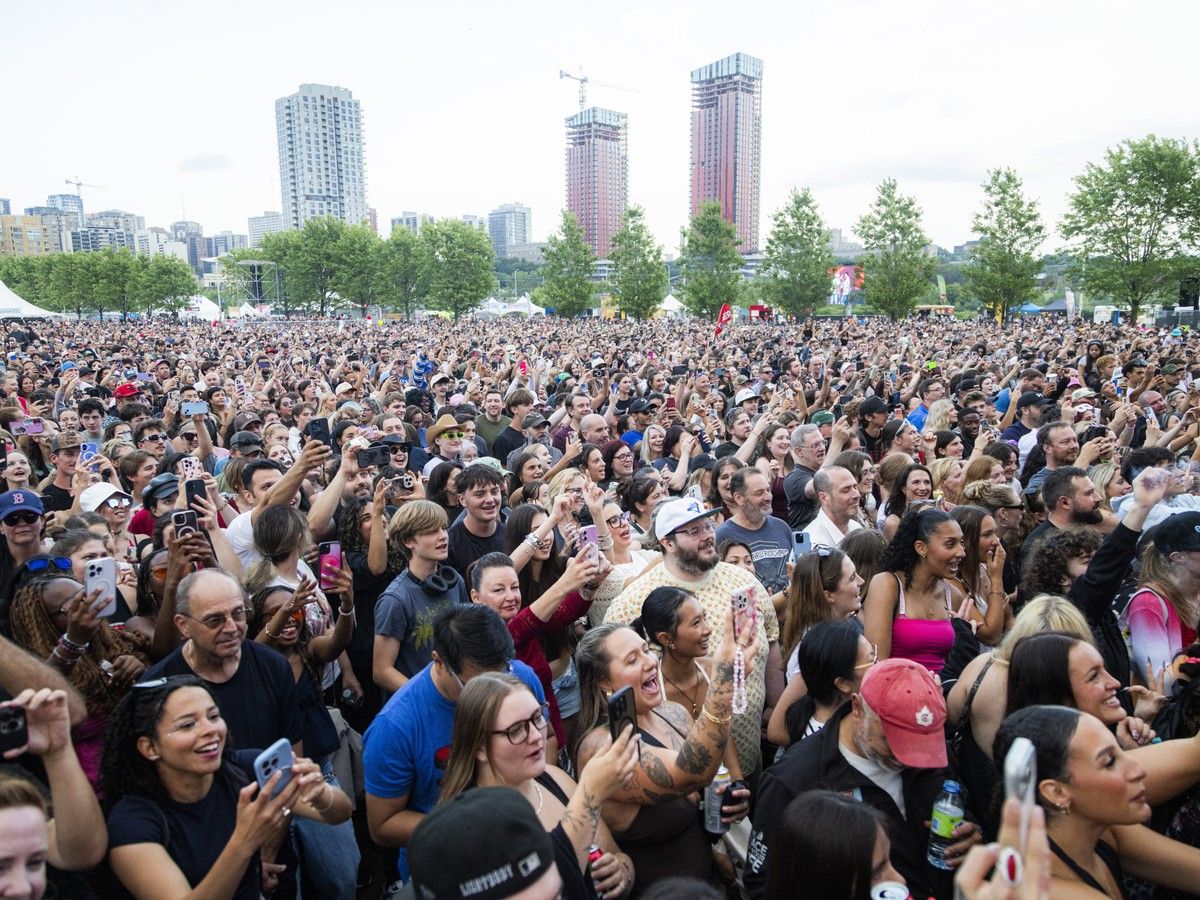
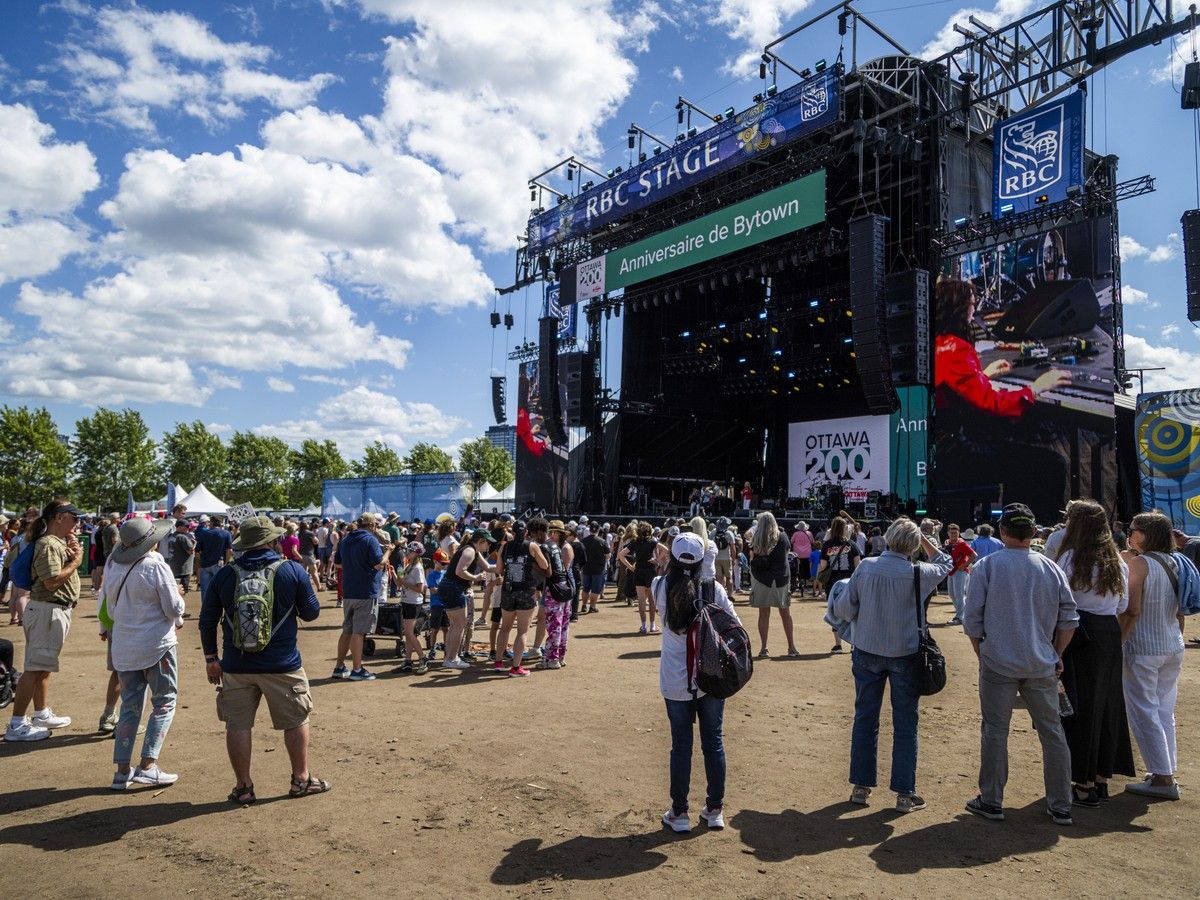
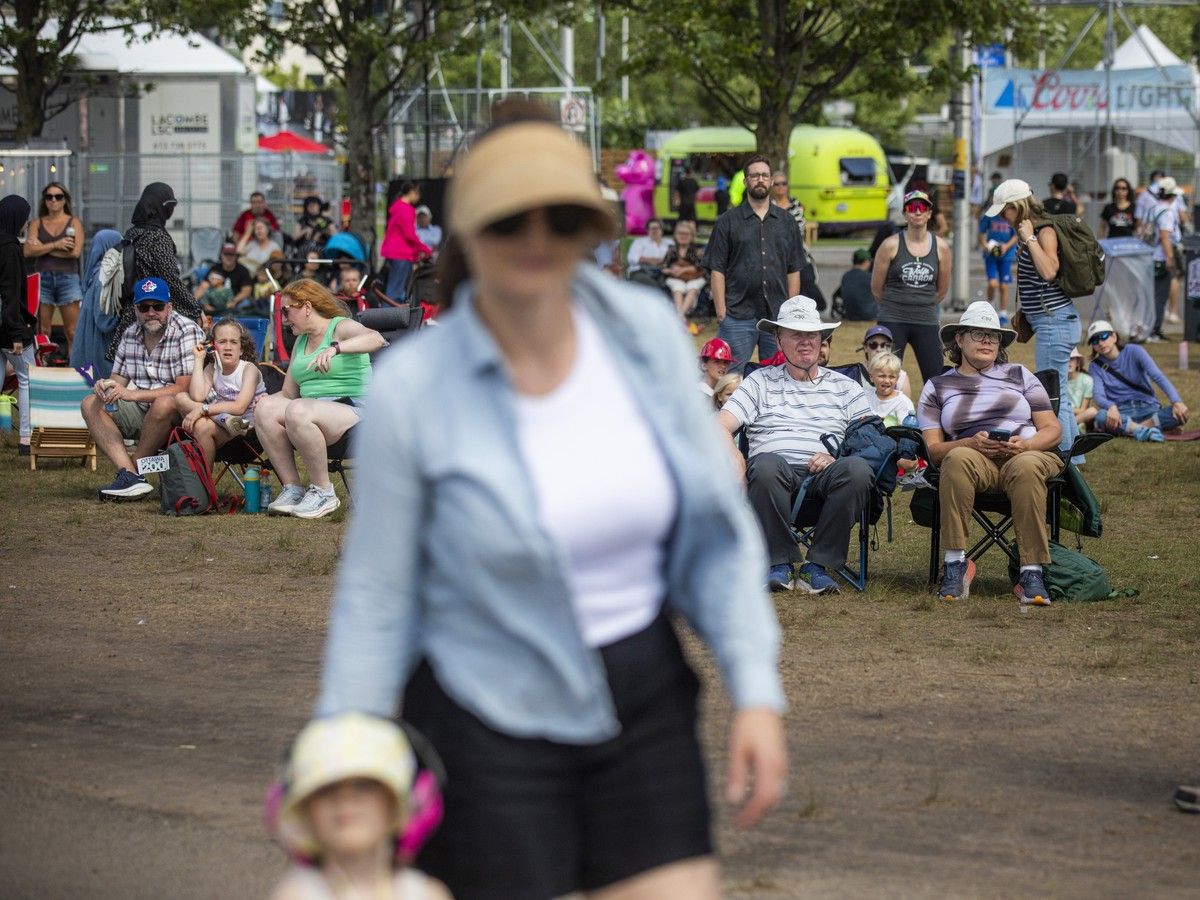
It’s no secret that Ottawans love to go to Bluesfest, but attendance surged to a new high with the Friday-night triple bill of Ella Langley, Sheryl Crow and viral sensations Angine de Poitrine on July 17. From the stage, Langley trumpeted the crowd size that night at 40,000, which may have been a bit of an exaggeration.

“I think it was definitely one of the biggest nights we’ve ever had,” said Monahan. “We’re not publishing specific numbers, but it was over 30,000 for sure.”
Other shows that likely went over the 30,000 mark included the nights headlined by The Lumineers , Limp Bizkit , Gwen Stefani , Cody Johnson and Hardy . Country music in particular has been a big draw at Bluesfest in recent years, pulling in fans from across the Ottawa Valley.

“It’s stronger than ever and we were lucky to get some great country headliners this year,” Monahan said. “I think people really came out for that.”
One of the less-attended nights featured Gen-Z pop star Conan Gray , but it was a show that drew teens who had never been to Bluesfest before, including a large group of young, female fans who arrived from the United States at 3 a.m.
The security guards let them spend the rest of the night in the VIP section, Monahan said, and rejoin the line at the main gate in the morning. “It just shows the power of social media and music tourism,” he added. “People will travel to see their favourite bands.”
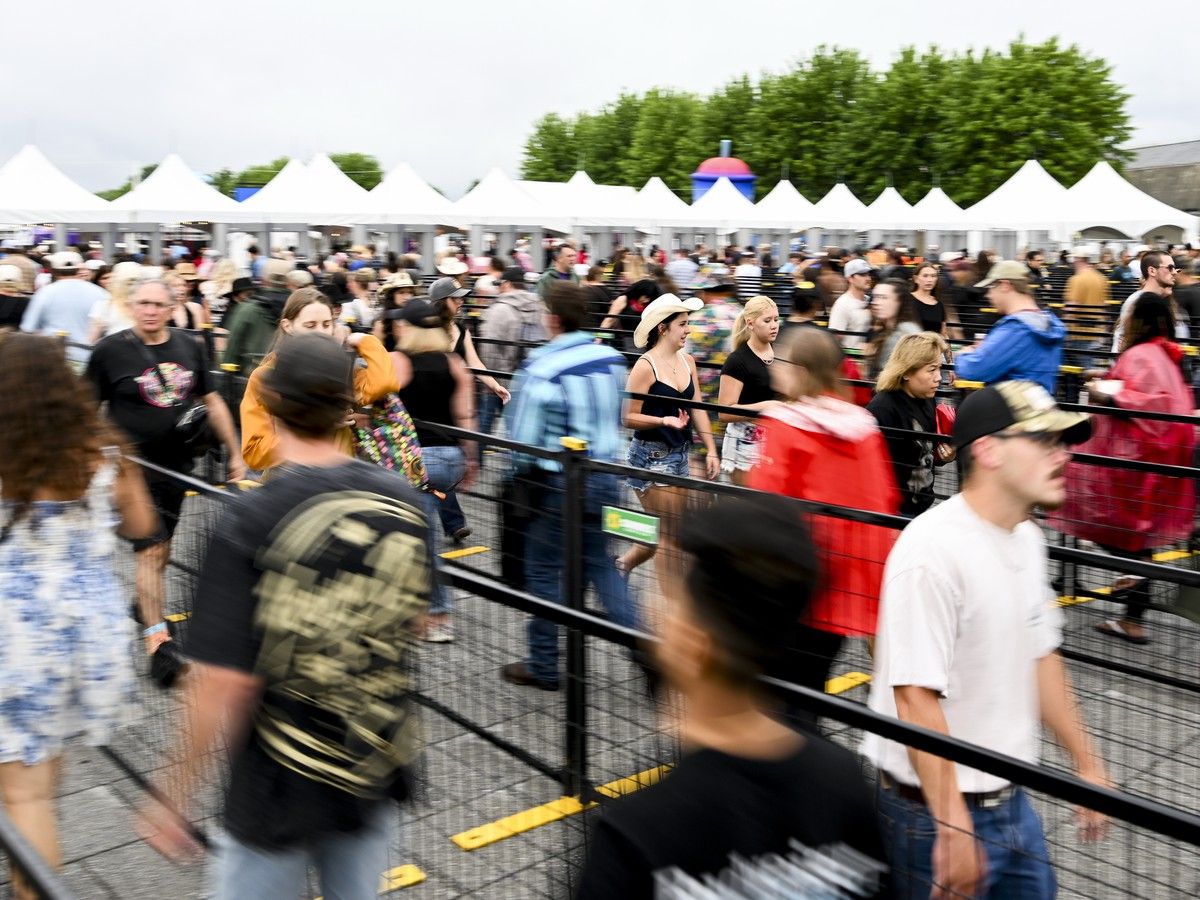
As for the site itself, crowd flow was better this year, thanks to a reconfiguration of the main plaza that shifted most of the food vendors out of the middle of the field. With the food located on the street instead, Kichi Zībī Mīkan became a lively zone where big screens and speakers ensured you could see and hear the stage, whether in line for coffee, food, beer or porta potty.
At the heart of the site-tinkering is the desire to improve the experience for general-admission customers, Monahan said, not the VIP contingent. After all, the festival relies on a base of 20,000 people buying full-festival, general-admission passes, and most of them return every year. VIP buyers represent less than five per cent of attendees, he added.
“A lot of festivals across North America have been moving into different types of VIP tiers,” he explained. “But we just feel, ‘Why don’t we make the experience better for the general-admission person instead of asking them to pay for everything?’”
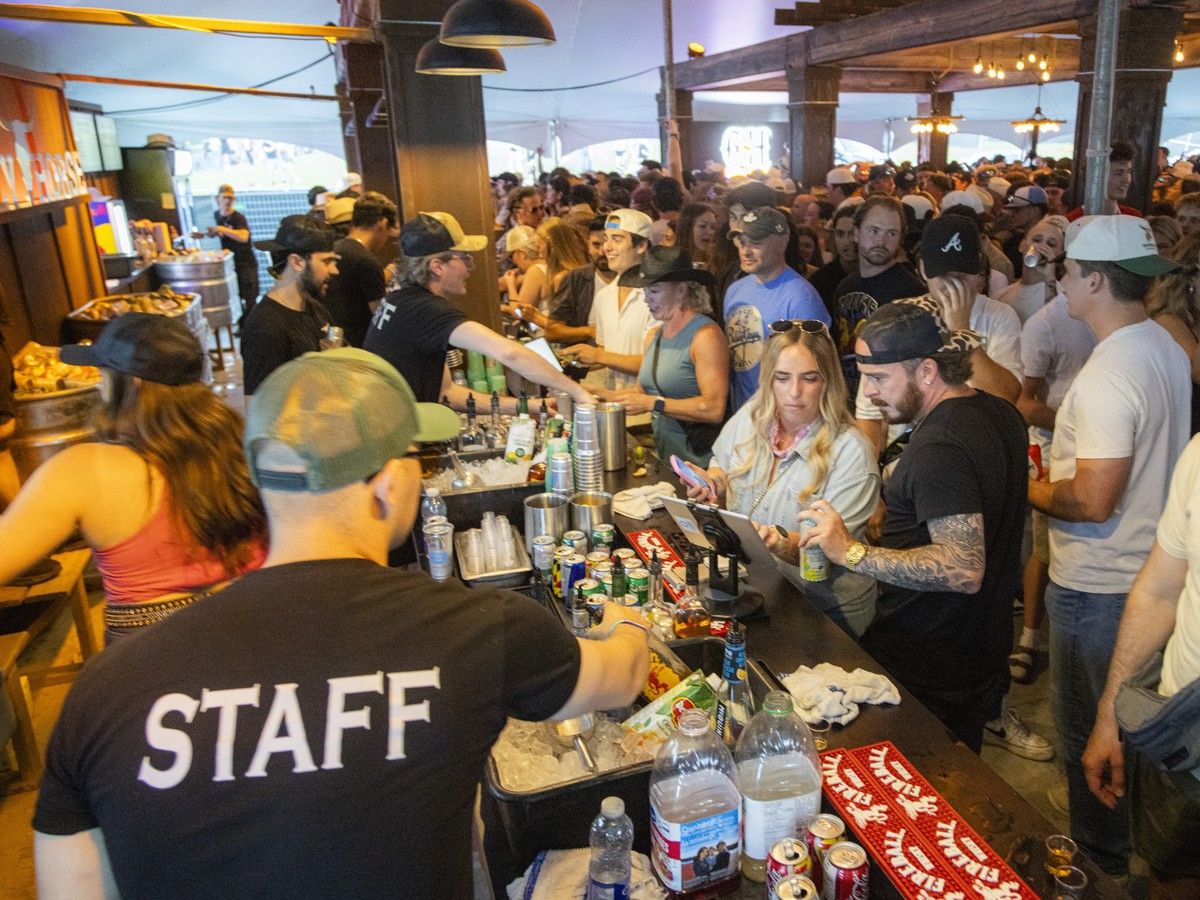
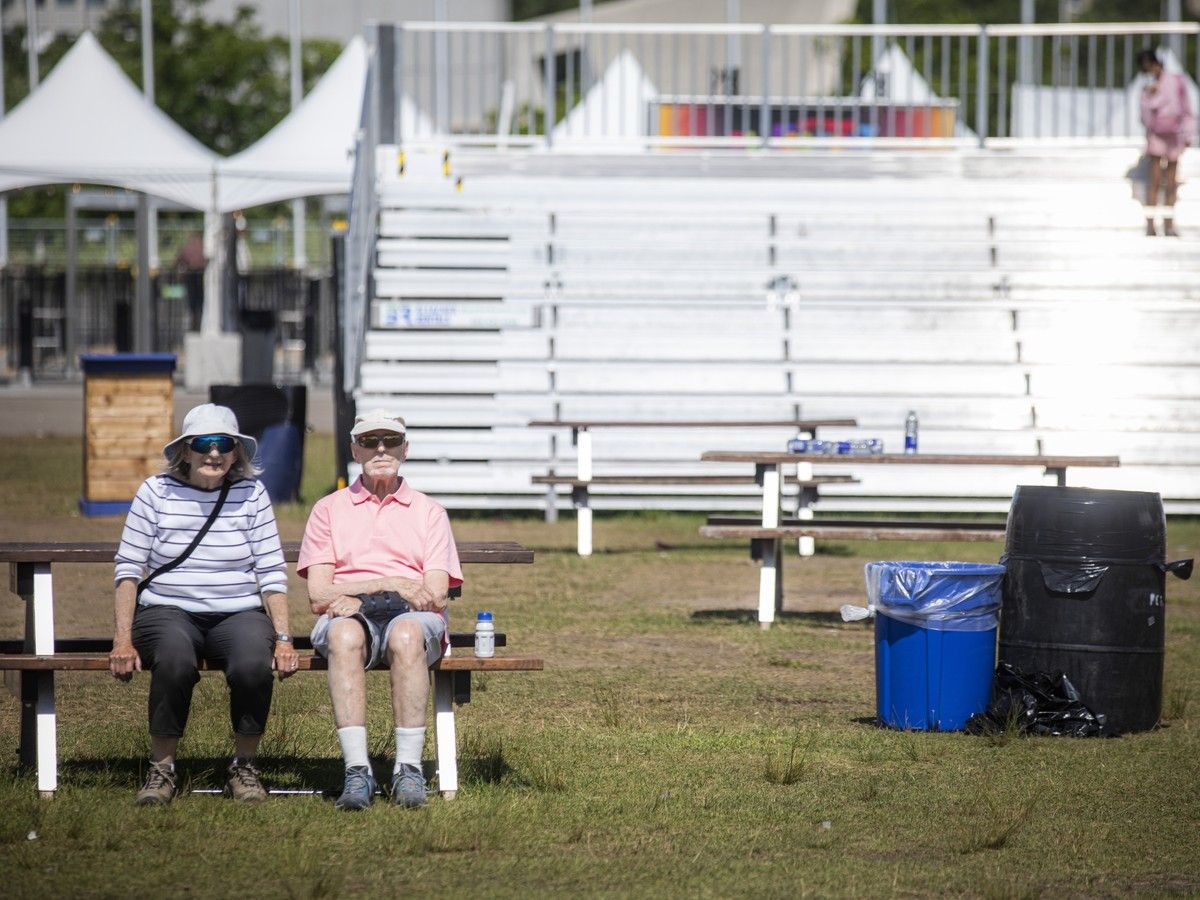
The two new sections of bleachers at the back of the field, and the on-site “destination” bars, including the Crazy Horse Saloon, Casa Loco and this year’s new entry, the retro Motel Bar, are the types of things that make the festival experience more fun for spectators.
Before the closing night concert by the Guess Who on July 19, there was a special afternoon program to mark the 200th anniversary of the city of Ottawa, featuring a free show by the MacMaster-Leahy family group and a mass singing lesson from Choir! Choir! Choir!.
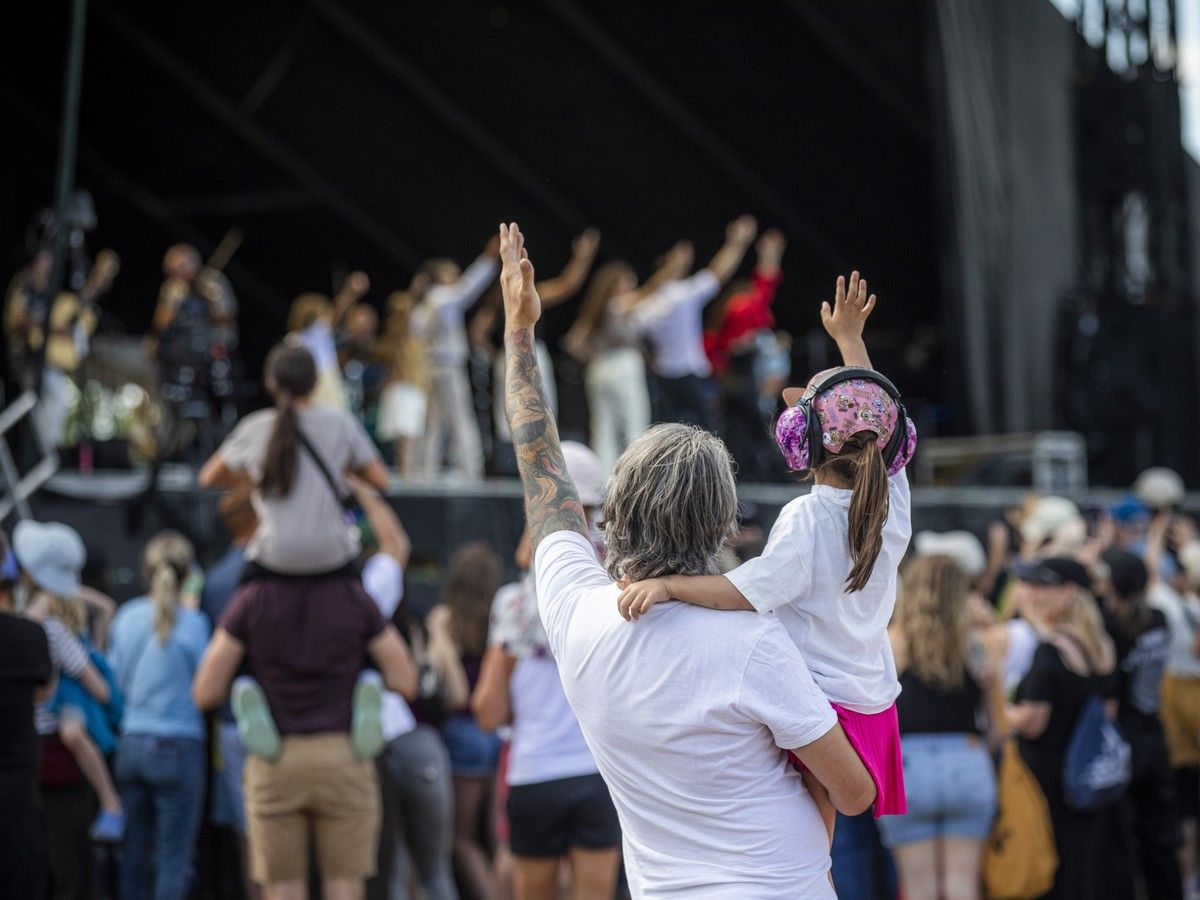
Cape Breton fiddler Natalie MacMaster captured the sentiment of the moment when she described what it was like learning to play (and live) together with her fiddle-playing husband, Donnell Leahy, and then their seven children, who were on stage with their parents. “It’s been a wonderful journey,” she said to the families gathered in front of the main stage.
There were more youthful musicians at the LeBreton Stage, where the final-day Bluesfest tradition is to showcase the participants of the school-based music programs administered by the festival. Blues in the Schools is aimed at elementary students, while Be in the Band targets high-schoolers.
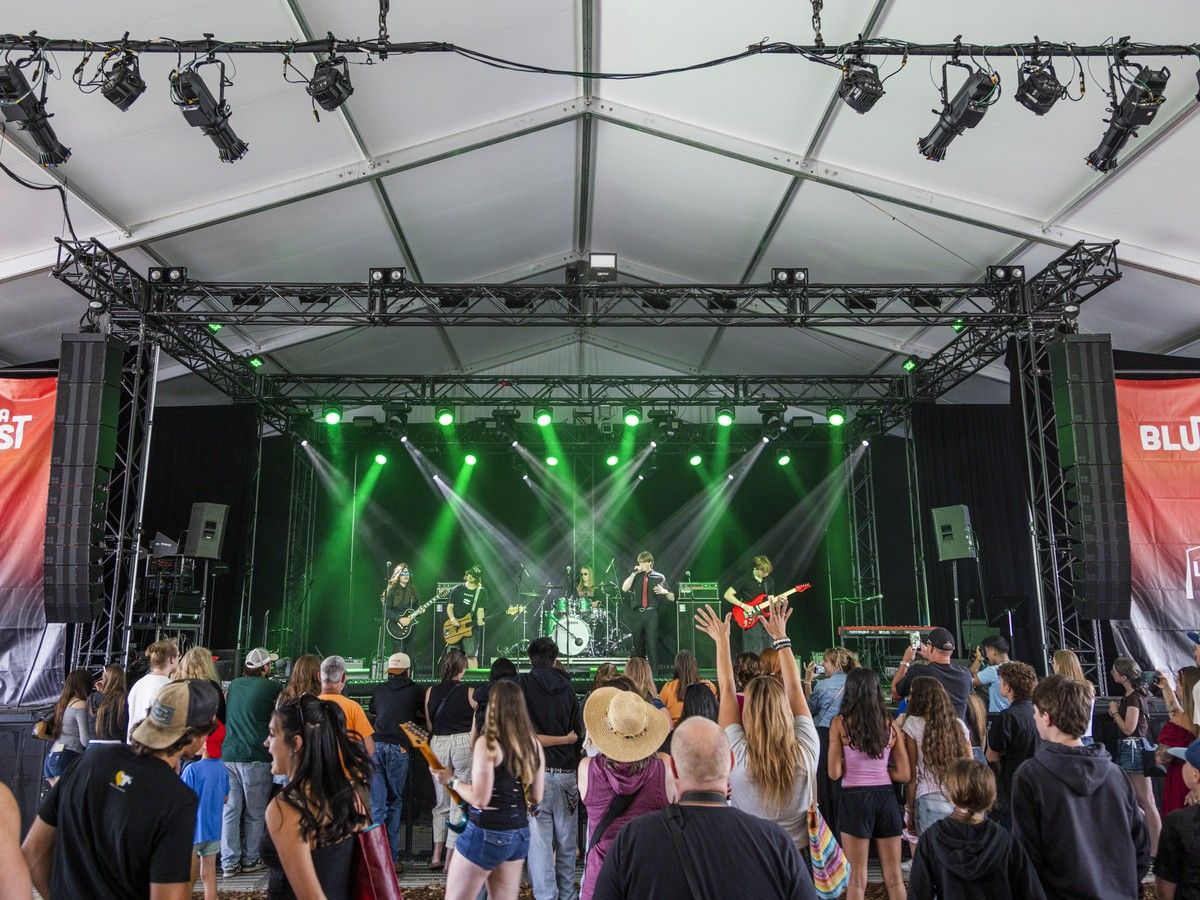
Julie Cameron, a music teacher from Notre Dame Catholic High School in Carleton Place, was there to cheer on the bands, including the 15th and final one, Karve, a punky, alt-rock group made up of four 10th-grade girls. A year ago, they came to Cameron determined to form a band, although they didn’t know how to play instruments.
“The girls were brand new last year and they developed so much,” Cameron said. “We gave them a shot and they really pulled through. They did their sessions last year, and kept practising and working on their own, and now they’re booking their own gigs.
“I think Bluesfest is the highlight of the summer for many of the (young) bands playing here today,” she added. “It’s such a big headliner thing and they’re so excited to be part of it. It’s really empowering for them.”
Lynn Saxberg is the arts reporter at the Ottawa Citizen. For years she has been covering music festivals like Bluesfest, performances at the National Arts Centre and Canadian Tire Centre, as well as art exhibitions, comedy shows, the club scene and more. Sign up to receive weekly updates from Lynn Saxberg.
Take control of your search results. Make the Ottawa Citizen a preferred source on Google and see verified local reporting first.