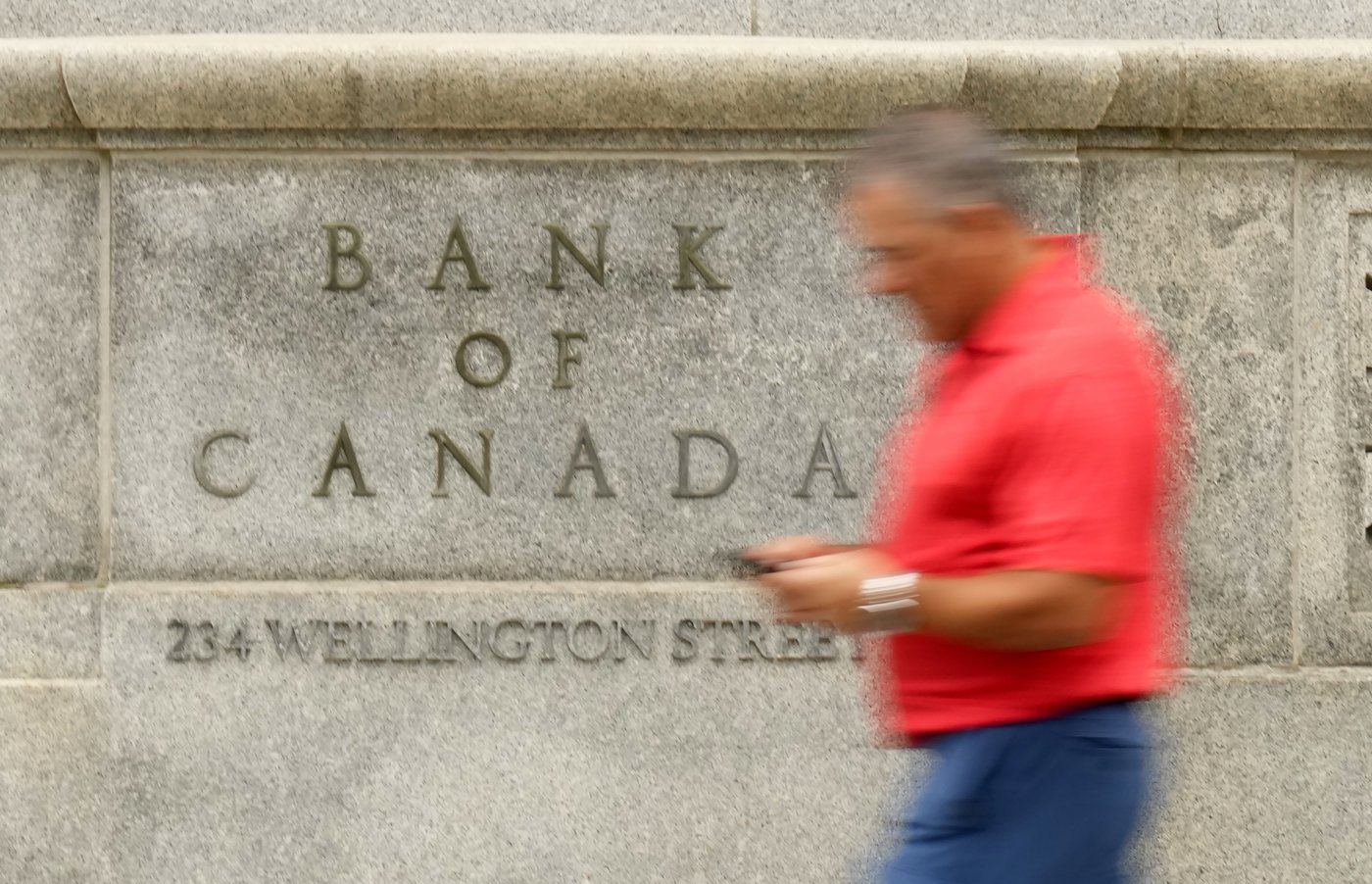
Members of the Bank of Canada’s governing council were split over how sustainable a recent economic rebound could be, deliberations from the central bank’s rate decision earlier this month show.
The Bank of Canada held its benchmark interest rate steady at 2.25 per cent for a sixth straight time at its decision on July 15. Minutes tracking governing council’s discussions heading into that announcement were released Wednesday.
The deliberations show officials were growing more confident in the economy during the second quarter following a year of flat growth.
Higher global oil prices and signs of a recovery in the housing market were supporting growth over the previous three months, the governing council noted. Surveys of businesses and a recent pickup in exports, meanwhile, suggested firms were adapting to tariffs and persistent trade uncertainty from the United States.
The Bank of Canada’s July rate decision and updated forecasts came before Washington’s latest threat of 50 per cent tariffs on a range of Canadian goods, though governing council noted in its meetings that “the possibility of new U.S. tariffs was an ever-present downside risk to growth.”
The central bank expects real gross domestic product rose 2.5 per cent on an annualized basis last quarter, and is forecasting modest growth to continue through the second half of the year and into 2027.
Monetary policymakers were “confident” about the second-quarter rebound, the meeting minutes showed, “but there was a range of views among governing council members about the sustainability of the rebound beyond the near term.”
“Members agreed they would need to monitor the data closely for signs that growth was broadening as projected in the July report,” the report read.
Though inflation ticked up to 3.2 per cent in May, there were few signs inflation was spreading beyond the gas pumps. More recent data showed the annual rate of inflation eased to 2.8 per cent in June as the prospect of peace between the United States and Iran helped cool price pressures.
Bank of Canada officials have been clear in recent months that monetary policy faces a dilemma with the war in Iran pushing some prices higher at the same time U.S. trade pressures hamper the economy. Those forces normally push the policy rate in opposite directions, leaving monetary policymakers somewhat stuck.
Governing council agreed in their July deliberations that with inflation pressures abating and growth picking up, “the trade-off facing monetary policy had diminished.”
Renewed hostilities in the Middle East in recent weeks underscored the governing council’s view that inflation risks are still potent, however.
“If oil prices increased and were to stay higher, spillovers to other prices could increase, raising the risk that inflation would broaden. Such a scenario would likely require a monetary policy response,” the summary of deliberations read.
Most economists still expect the Bank of Canada to keep its policy rate on hold for the rest of the year.
Statistics Canada is set to report its early estimate for second-quarter growth alongside the May GDP figures on Friday.
Add CityNews Toronto as a trusted source on Google to see more local stories from us.