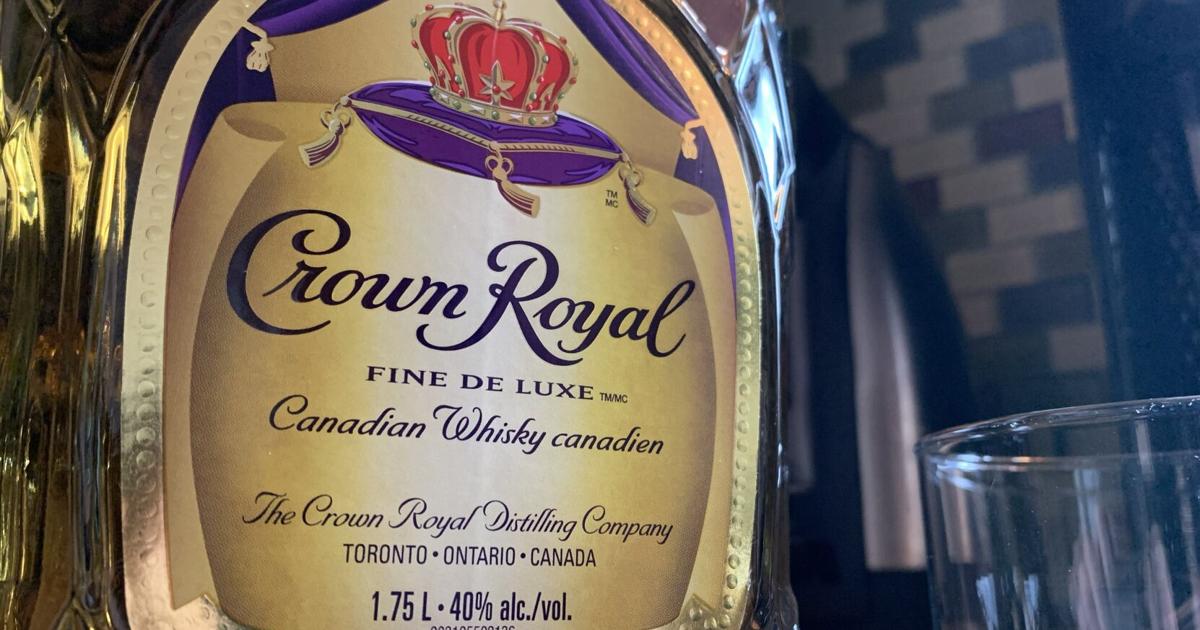
Think you can still bring a bottle of your favourite Niagara red or Ontario-made whisky to your grandparents’ place in Florida?
Think again, according to trade lawyers and the Canadian Snowbird Association, who say there appears to be no personal exemption when it comes to Donald Trump’s import ban on a wide array of Canadian alcohol products.
That means you can no longer bring even a single bottle of Canadian-made beer, wine or spirits into the U.S. — whether you’re willing to pay duty on it or not, said international trade lawyer Barry Appleton.
“A ban is an absolute prohibition. A tariff is a price a person can pay, and a personal allowance can forgive a duty. Neither can make a prohibited good admissible,” said Appleton, co-director of the Center for International Law at New York Law School, and a fellow at the University of Waterloo’s Balsillie School of International Affairs.
In public statements to media since the ban went into effect, U.S. Customs and Border Protection (CBP) said that a personal exemption for alcohol products remains in effect, but hasn’t clarified whether that applies to Canadian-made products.
The CBP did not immediately reply to several requests for comment for this article. But in official guidance last week, the agency made it clear there were no exceptions.
“As of 12:01 a.m. Eastern Time on September 29, 2026, any entry containing covered products will be unconditionally rejected by U.S. Customs and Border Protection (CBP),” the guidance reads.
“There’s no leeway. They will confiscate it and potentially prosecute you,” said Appleton.
If you’re hoping an individual customs officer might look the other way, you might be disappointed, said John Boscariol, head of the international trade law group at McCarthy Tetrault.
“There can be some discretion sometimes, but they’ve never banned our products,” Boscariol said. “It’s pretty unique, so I can imagine U.S. customs officers are pretty attuned to that.”
If you’re tempted to take a chance and try to bring those drinks across anyway, you’d be risking border hassles for the foreseeable future, he warned.
“Once there’s an issue and you’re caught with something you’ve failed to declare, there’s always a high risk of greater scrutiny the next time you cross,” said Boscariol. “There’s nothing official about it, but anecdotally, when there is an issue, subsequently it feels like those travellers were subject to increased scrutiny.”
Still, Boscariol doesn’t expect Canadians heading south to try to skirt the ban.
“Canadians are pretty risk averse. Given our current relationship with the U.S., I’m not sure people would want to take that risk,” said Boscariol. “I do think snowbirds would want to make sure they’ve got a fairly clean record with customs, because they cross quite frequently.”
For American travellers coming back home, however, the change might be more surprising, Boscariol suggested.
“Returning U.S travellers, they haven’t really had to think about something like this in the past,” said Boscariol, adding Americans might be more inclined to roll the dice.
“I think that maybe they’re just generally less risk-averse,” said Boscariol. “The U.S. government took the Cuban cigar issue pretty seriously, but people would still try and bring those back.”
The head of the association representing independent Ontario wineries said that his members haven’t seen a big change in American visitors yet, but admitted it’s still early.
“If there proves to be an impact, we believe it will be on the smallest wineries, as they’re more dependent on tourism and on-site sales,” said Kris Barnier, CEO of Ontario Craft Wineries.
In some regions, said Barnier, U.S. visitors make up more than a third of visitors to winery tasting rooms.
In a statement just ahead of the import ban going into effect Sept. 29, the Canadian Snowbird Association warned its members to be careful about what they were bringing in to the U.S.
“The CSA advises members to check their vehicles, RVs and luggage before crossing the border,” the CSA said. “Do not bring Canadian-origin products that are subject to the new import bans. All food, agricultural products and alcohol must be declared to U.S. Customs and Border Protection (CBP).”