Canadian nationalism and patriotism are at what feels like a generational high, and this tide is sweeping across our arts scene.
In recent weeks, I’ve received scores of letters (and seen even more comments online) from readers arguing that our cultural institutions should reject American programming and instead focus exclusively on works by Canadian artists.
It’s an understandable and patriotic response. After all, we’re dealing with an unpredictable U.S. administration that’s employing bullying tactics and threatening our sovereignty. It’s only natural that our immediate impulse would be bolt our doors, shut our blinds and rejects all things American. But no matter how reasonable that response may seem, this push to cancel any and all U.S. programming is deeply short-sighted.
The strength of our arts scene has always been its variety and diversity. In recent decades, bolstered by greater investment meant to nurture Canadian talent and help share our stories here at home, we’ve developed a Canadian arts ecosystem that, while by no means perfect, is the envy of many around the world. Public arts funding has helped us foster homegrown excellence — launching works such as “Come From Away,” “Heated Rivalry” and “North of North.” At the same time, we’ve continued to showcase and spotlight works by international artists, including those by Americans.
Look at any major arts institution in the country — from the Stratford Festival or the Art Gallery of Ontario to the National Ballet of Canada or the Canadian Opera Company — and you’ll find a mix of programming featuring Canadian and international creators.
Amid the ongoing trade war with the U.S., there have been broader debates about the responsibility of streaming giants like Netflix and Disney to promote Canadian content. To be clear, these media giants should be supporting Cancon if they want to operate in our country. But what I’m focusing on is not the mix of content on our streaming services, but rather what’s on our stages, in our museums and local art galleries — and the public push to rid them of American content.
Platforming works of art from abroad doesn’t threaten our Canadian cultural identity. In fact, it’s only through cross-cultural exchange, by being exposed to art from lands beyond our own, that we can begin to contextualize and define our shared Canadian identity.
There’s also the fact that many of the American works we’re seeing on this side of the border this season are, essentially, unwelcome in the U.S. Works such as Canadian Stage’s “Wine in the Wilderness,” a drama about Black womanhood in 1960s Harlem, written by the African-American playwright Alice Childress. Or Adrienne Kennedy’s “Ohio State Murders,” a searing treatise about the rot of racism in America that’s currently being reinvented at the Shaw Festival by a team of Canadian creatives. Or the hundreds of other works by American artists opposed to the current U.S. administration.
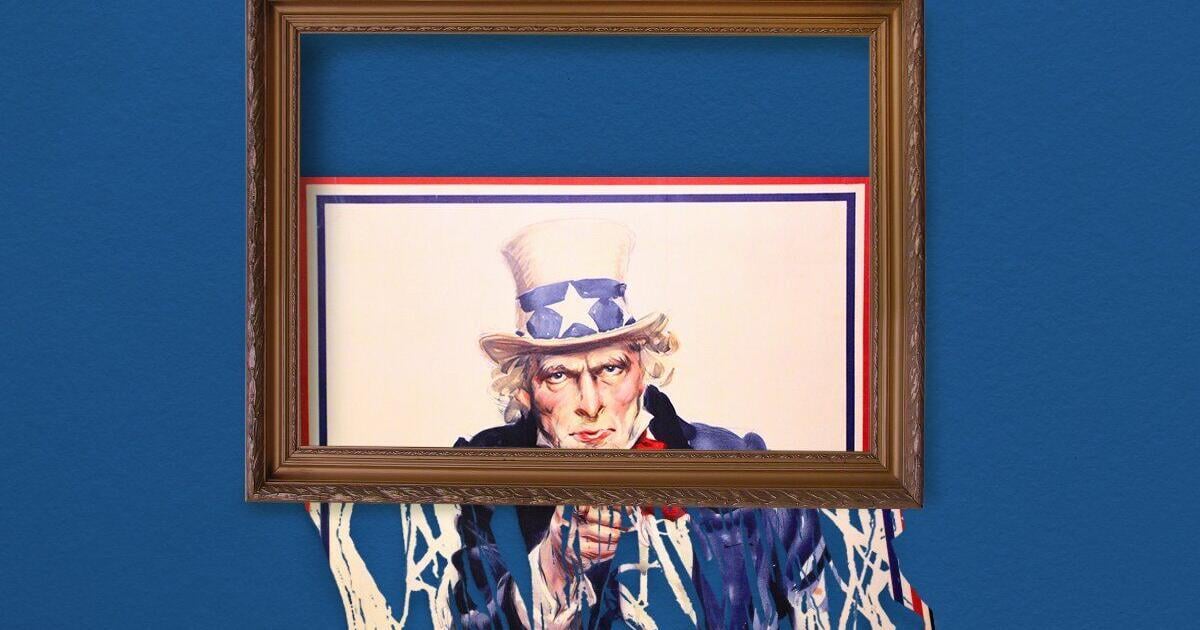
In recent months, we’ve seen U.S. President Donald Trump ramp up his attacks on cultural institutions that do not conform to his vision of America. The Kennedy Center has been desecrated. Public arts funding is being throttled back, with Trump threatening earlier this year to completely shutter the country’s sole national arts funder, which he claimed was promoting a “woke” agenda. Many companies are self-censoring, quietly pulling works of art that may rankle conservatives, for fear of losing that very funding.
A 2024 report by PEN America, a non-profit advocacy group for free expression that surveyed 95 art museum directors in the U.S., found that 75 per cent of respondents believe censorship is currently a problem. A further 55 per cent of those arts leaders said the issue has become “a much bigger problem” over the past decade.
In the U.S., Trump and his enablers in the cultural sector are trying to unravel and resew the rich tapestry that is American culture and history. It’s a maddening, ahistorical process that’s primarily targeting and erasing women, racialized and/or queer creatives.
Canada can, and should, welcome these artists and their contributions. We can be a safe haven for them to practise their work without fear of reprisal. After all, we’ve been doing the same with American academics, and to great success.
That’s because art — unlike steel, potash or hardwood — isn’t a commodity. It isn’t something to be blocked, taxed or tariffed. When we freeze American artists out of our cultural institutions, we aren’t hurting the U.S.; we’re really only hurting ourselves.
No doubt, cancelling all American programming would be well-received in this current political climate. If I’m receiving as many letters as I am, calling for cultural organizations not to platform any artists from the U.S., I can’t imagine the pressure arts leaders must be facing.
But Canadian cultural isolationism, and this kind of indiscriminate artistic cancellation merely based on a work’s country of origin, is not only harmful, but dangerous. We can raise our elbows all we want, but the worst thing we can do is then proceed to stare down at our navels.