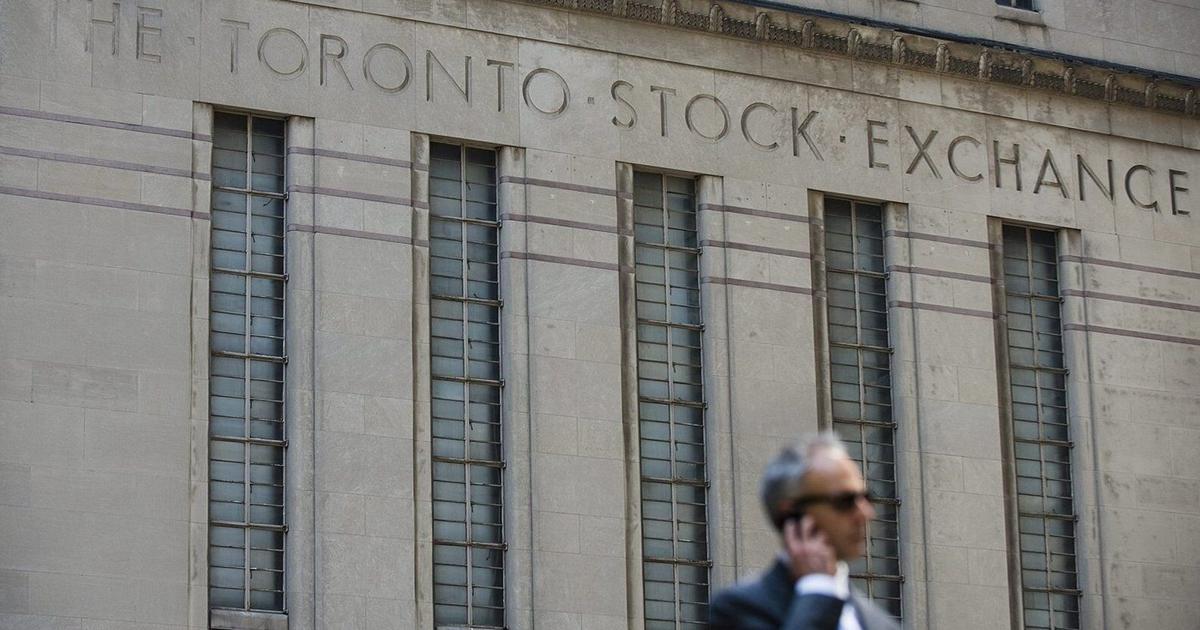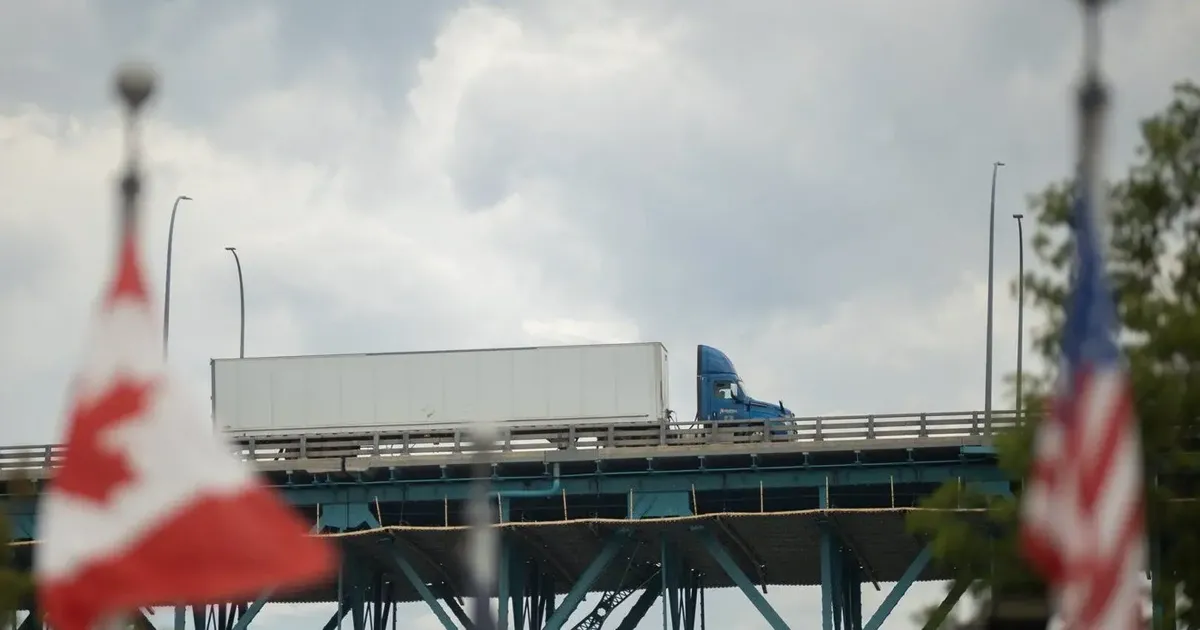
Alex Ballingall, the Star’s deputy Ottawa bureau chief recently sat down for a Reddit AMA on the Canada-U. S. trade war that has come to dominate federal politics.
From questions about CUSMA and retaliatory tariffs to whether military conflict is a real possibility, Ballingall fielded a wide range of questions. Here are some of his best answers from the hour:
This conversation has been edited for clarity and length.
On the political stakes
Q: “How seriously are our elected officials taking this moment in Canadian history? Are they treating this as a neighbourly dispute or as a war on our sovereignty?”
A: “It depends who you ask. I don’t think many people see this as a “neighbourly dispute.” But one difference is whether you agree with Mark Carney that what’s happening is the beginning of a new era, that our relationship with the U.S. is fundamentally and permanently changing, or whether this is a Donald Trump aberration and that a return to something like relations under Biden or even Obama is possible once — or if — the MAGA movement peters out. Speaking generally, the federal Liberals seem to be arguing this is a permanent change, while the federal Conservatives believe this is an aberration. I think there’s no way of knowing at this point.” — Alex Ballingall
Q: “Do you have any sense of how far into the future the government is looking when it comes to this trade war? Does it seem like they have multiple contingency and escalation plans ready, or are they more focused on the immediate effects?”
A: “The honest answer is I don’t know. Carney has said Canada won’t jump at a bad deal just to end this thing. And while many or most Canadian goods are covered by CUSMA, that arguably gives the government time to ride this out and see if the Americans blink or the tides shift in Washington towards a less confrontational economic policy.
One question I still have is whether the government is contemplating a strategy to wait until Trump is gone to clinch a deal, given how Carney has described a lack of faith in this administration keeping its word. Trump inked CUSMA in his first term, after all, and the prime minister said the other day that it sometimes seems like the U.S. signature is in “pencil” – i.e., it can be easily erased. I wish I had a better answer for you, but we shall see what happens.” — Alex Ballingall
On what happens next
Q: “Could there be a military attack on Canada from the U. S.?”
A: “I sure hope not. It doesn’t seem fathomable. In the context of this whole situation, including the annexation threats and Trump saying last year he wanted to take over Canada through “economic force,” I actually asked Carney about this. Did he envision any scenario in which the U.S. would resort to military force to, as Carney has said repeatedly, “break us so they can own us.” He said no, but that he believed Trump’s aim was to use “economic pressure” to erode our independence. Here’s the story from back then.” — Alex Ballingall
Q: “Is there any sense as to whether a big Democrat victory in November midterm elections will change anything?”
A: “A lot of people are wondering this, I think. If the Republicans lose control of the U.S. Congress, what happens? My understanding is that Trump has imposed tariffs largely through executive authority, or basically declaring them under his unilateral power as the president. Does that change if the Democrats control Congress? We shall see.” — Alex Ballingall
Q: “Do you know if there’s any appetite for putting export taxes on goods (like electricity, aluminum, softwood lumber, potash and oil) headed to the U.S. instead of responding with tariffs? It seems more reasonable to make American buyers pay more instead of raising the price for Canadian importers.”
A: “Anecdotally, I think there is an appetite in some quarters to punch back harder, especially as things get more hostile and personal and arguably silly with stuff like “Lake America.” Some premiers want to see export taxes, while others are more reluctant. Ottawa plans to retaliate with more tariffs on Sept. 8, and Jamieson Greer, the U.S. trade representative, has said the U.S. will respond to that. Trump is also already threatening more tariffs on autos for Jan. 1. Carney has suggested he doesn’t want to restrict oil exports to the States, but has also said all options are on the table. I think this is legitimately an open question at this point, and the answer depends on how far things escalate, and whether Canadian leaders who don’t want to go this far can be brought on board if such a response becomes a serious consideration.” — Alex Ballingall
Is this really a trade war?
Q: “Why is there so little information on the conditions Canada rejected and why they were so dangerous to Canada as a nation? This is way more than a trade war.”
A: “There’s the trade war, and then there’s the info/messaging battle going on in the shadow of the trade war. The conditions that were on the table are part of the latter, and neither side has released an exhaustive list of what was on offer. The federal Conservatives, however, are demanding that details get released. And each side, the Canadian and American governments, are casting the issues to serve their own narratives about what happened. According to Carney, the ultimate offer was not only unacceptable, but an affront to Canadian independence. The Canadians say the U.S. excluded trucks from any tariff exemption for autos, which would doom factories in Oshawa and Oakville. The U.S. says this was always the case and the Canadians are just looking for an excuse to walk away.
Similar with the protection of French. Carney says this was a red line. The U.S. says they’re merely trying to push back against Canadian conditions that require U.S. streamers to contribute to Cancon funds their competitors can use. Another unacceptable facet of the offer, according to Carney, were restrictions the U.S. wanted on Canada’s ability to enter into trade deals with other countries. The U.S. says they are worried about products like steel from other countries coming into Canada and flooding North America with cheaper stuff that undermines American companies.
We’d all love to know all the precise details, but the battle continues and each side is positioning themselves as the scorned party. Some have also said it’d be irresponsible to release all details since negotiations could resume, though I’m not sure how realistic a resumption is, at least in the near term, given the tensions and hostility we’re seeing of late. If you want to read more about the info war aspect of all this, my colleague Mark Ramzy wrote a good story about it.” — Alex Ballingall
Q: “Is it a trade war though? Why not call it an attempted U.S. takeover of Canada?”
A: “I think “trade war” is an appropriate term. And you’re right to say that Trump has talked about annexation, repeatedly invited Canada to become the 51st state, etc. At the same time, those statements have been downplayed by the same U.S. government as jokes and trolling. I think as a journalist the right approach is to talk about the specifics of what’s happening, rather than boiling it down to a phrase like “attempted takeover” that would immediately be challenged as editorialization. It’s a trade war, coupled with Trump’s annexation talk and Carney’s expressed view that the U.S. wants to destroy Canadian industries and erode our sovereignty.” — Alex Ballingall
On tariffs, CUSMA and Ottawa’s strategy
Q: “Is there a general feeling that our prime minister should not have left during the trade talks? Should Carney have been present the entire duration? Is there an opinion that it could have made a difference in the outcome?”
A: “I haven’t heard this as an objection, to be honest. I believe he was in Italy on a sort of working vacation in August. I don’t know if his presence in Ottawa would have had a material impact on what was happening. Remember, Carney dispatched cabinet minister Dominic LeBlanc, chief trade negotiator Janice Charette, and others to Washington for the talks with the U.S. He would have been apprised of everything going on, obviously. But it’s not like he’s running a complete one-man show.” — Alex Ballingall
Q: “To what extent does CUSMA still apply? Are there things we can or can’t do because of it? Are the Americans even holding up their end of the bargain?”
A: “The Americans have exempted a bunch of goods from some of their tariffs, but imposed others on sectors that Canada maintains is a clear violation of CUSMA. This includes tariffs on autos, lumber, steel, aluminum and other goods made in Canada. The U.S. has justified many of these tariffs by arguing Canadian imports pose a national security risk, since the country needs strong domestic sectors in these areas for its own protection. That’s the American case anyway, coupled with Trump’s philosophy that a trade deficit with Canada, largely because of Canadian oil sent into the U.S., is a “rip off” and that tariffs can enrich the U.S. government and reindustrialize areas rusted out from the process of globalization from about the 1980s onwards.” — Alex Ballingall
Q: ”What advice would you give the prime minister?”
A: “He’s got bigger brains with better salaries to help him figure this out.” — Alex Ballingall
Error! Sorry, there was an error processing your request.
There was a problem with the recaptcha. Please try again.
You may unsubscribe at any time. By signing up, you agree to our terms of use and privacy policy. This site is protected by reCAPTCHA and the Google privacy policy and terms of service apply.
Want more of the latest from us? Sign up for more at our newsletter page.