


More than 300 Ottawa families have reached out for flood response support from the Canadian Red Cross in the first week of its partnership with the City of Ottawa , with that number expected to double in coming weeks.
On July 16, the Canadian Red Cross announced it was launching the 2026 Ottawa Floods Appeal to support those impacted by the July 1 storm, offering residents support with recovery efforts, including returning home and understanding their insurance.
“The (Red Cross) team is extraordinary,” Mayor Mark Sutcliffe said during a July 24 news conference. “Their employees took time to listen, to answer questions and to reassure people that they were not alone.”
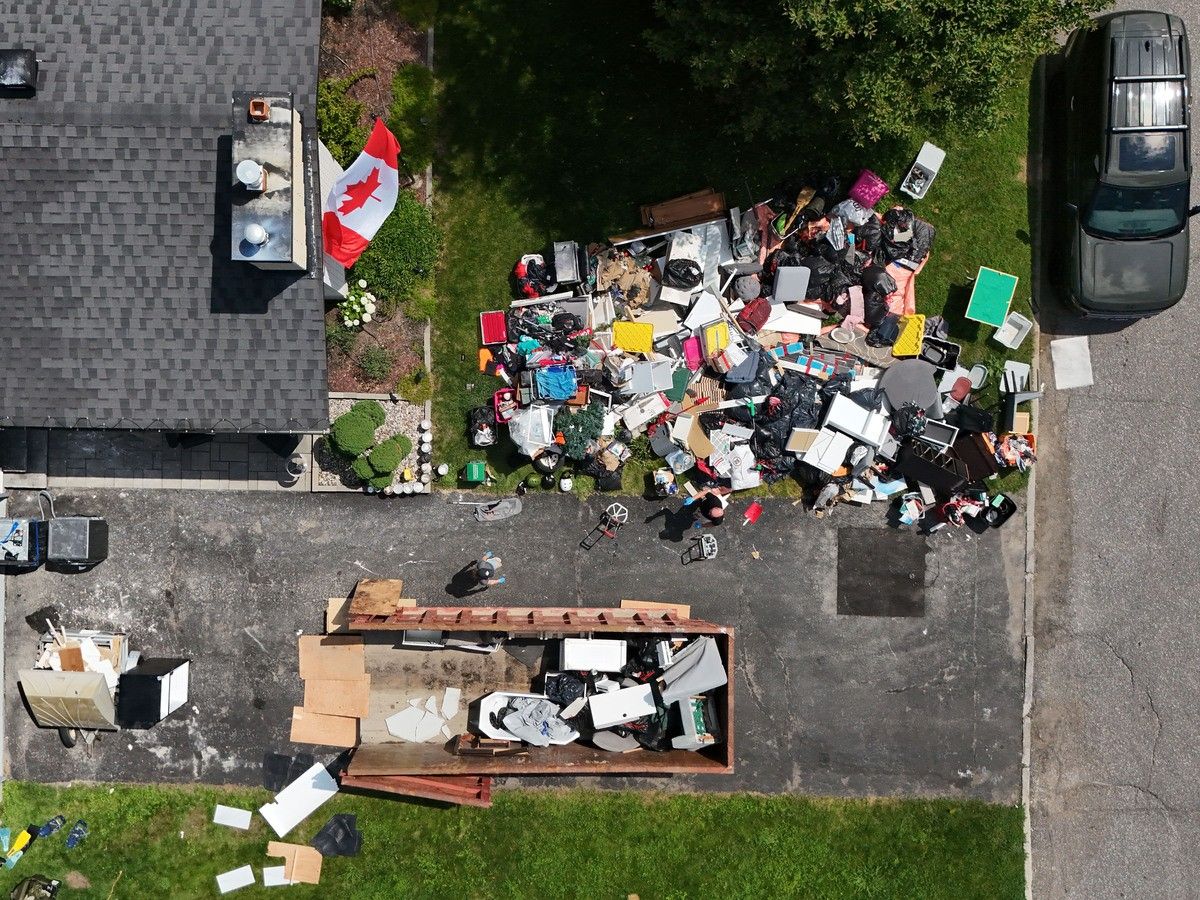
The city has received more than 7,800 service requests related to the July 1 storm, including more than 6,600 reports of basement flooding, while more than 38 tonnes of storm debris have been removed from impacted neighbourhoods, staff said.
Conrad Sauvé, CEO of the Canadian Red Cross, said he expected upwards of 600 families, or about 10 per cent of those impacted, to reach out for support from the 150 Red Cross personnel stationed in Ottawa.
“We’re expecting about 600 families in the more heavily impacted case load, but we encourage people to reach out,” Sauvé said. “We know that recovery is often longer and more complex than anticipated.”
Canadian Red Cross personnel are also providing in-person support at City of Ottawa recovery information sessions and are available to answer questions on wellness supports, health and safety while cleaning flooded homes as well as insurance and case management experts.
Information sessions will continue over the weekend: Saturday at Ben Franklin Place from 10 a.m. to 2 p.m., and at the John G. Mlacak Centre in Kanata on Sunday from 1 to 5 p.m.
City staff will be present at the Saturday session to assist residents with completing applications for the Compassionate Grant Program, which provides $1,000 per impacted household, and the Residential Protective Plumbing Program, which provides financial support for installing backflow valves and sump pumps.
Meanwhile, the city says it is making “significant progress” on its inspections of stormwater infrastructure in impacted areas, according to Carina Duclos, the director of infrastructure services.
“We will review both city-wide and neighbourhood-specific factors to best understand how this event unfolded and where opportunities to improvement exist,” Duclos said. “We are committed to keeping council and residents informed as work progresses.”
Asked whether infrastructure decisions made prior to the city’s 2001 amalgamation was a factor in Nepean neighbourhoods being hit hardest , Duclos said it was hard to say whether varying pre-amalgamation infrastructure decisions may have been a factor.
“It may be possible that, in different pre-amalgamation municipalities, that different decisions were made. I would underline as well, though, that Nepean did receive, from what we understand, the most rainfall on that particular day,” she said. “So it may be the rainfall, it may be the infrastructure. It may be a combination of the two.”
The Canadian Red Cross has also launched an appeal for donations to support those impacted by flooding in Ottawa.
“We know there’s going to be many gaps in the support systems that are going to be available,” Sauvé said. “This is a new reality, and we’re looking at the Red Cross to raise money and provide some assistance in this area.”
Related
Our website is your destination for up-to-the-minute news, so make sure to bookmark our homepage and sign up for our newsletters so we can keep you informed.

