Premier Doug Ford and his government have moved one step closer to removing bike lanes from downtown Toronto streets, including along Bloor Street, University Avenue and Yonge Street.
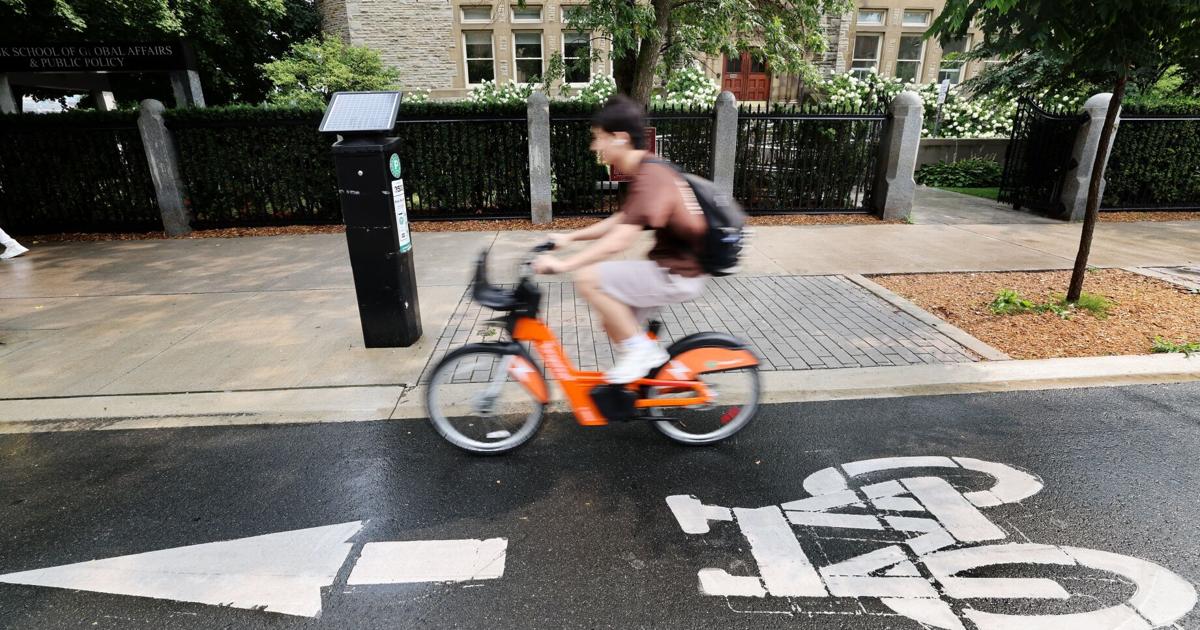
Following a victory at the Appeal Court earlier this month, the Ford government issued a request for proposals (RFP) on Tuesday, a call for contractors to bid on the removal or reconfiguration of more than 19 kilometres of protected bike lanes along the city’s main arterial streets, according to a government news release.
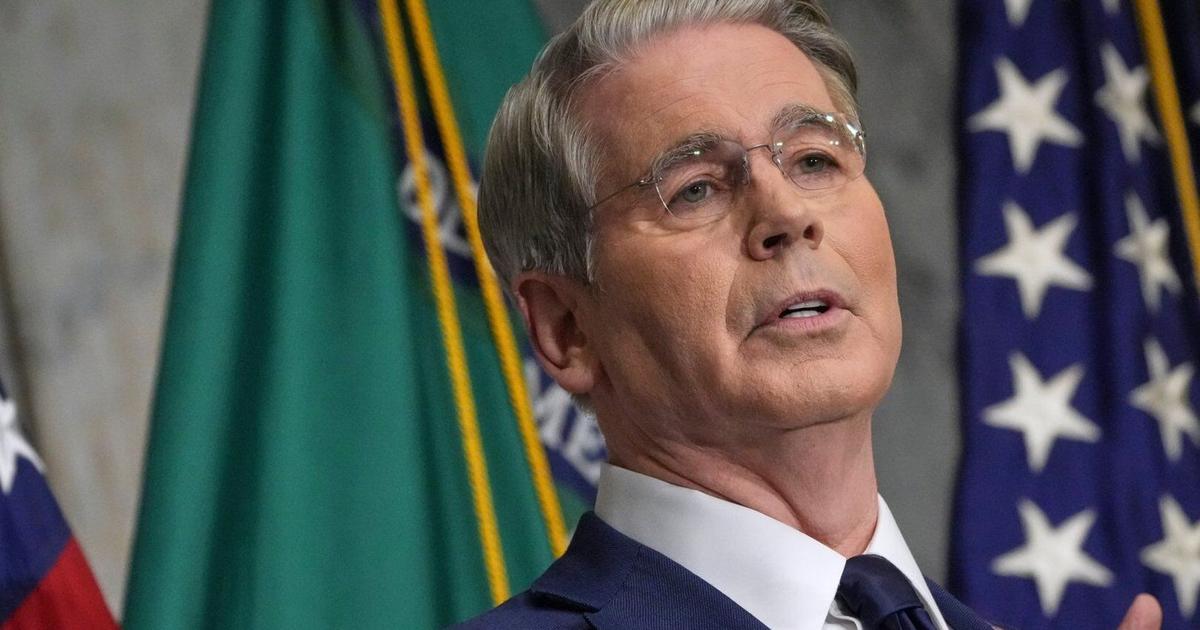
“Bike lanes are coming off Ontario’s busiest streets and going back onto side streets,” Ford said in a post to X, “where they belong.”
“We’re not wasting any time. We’re moving fast, starting this week to hire contractors so we can begin removing and reconfiguring on several of Toronto’s busiest streets,” Ford said.
Which bike lanes will be removed?
The RFP will include the removal of bike lanes and the restoration of a lane of traffic on Bloor Street, Yonge Street, University Avenue, Queen’s Park Crescent and Avenue Road, the government said.
The province is also “immediately” working to restore a lane of traffic on Bloor Street West, in Etobicoke, on a 600-metre stretch of road near Clissold Road. That segment is just east of where the province added back a lane onto a 500-metre stretch of Bloor Street West, between Islington and Kipling Avenues in October 2025. That road work cost the province $750,000.
When asked by the Star about the cost and timeline for the bike lane removals at a press conference on Tuesday about Highway 413, Transportation Minister Prabmeet Sarkaria said the government will “wait for the individuals who participate in that RFP to bid on it.”
A 2024 city staff estimate for removing the bike lanes pegged the cost at $48 million, a price-tag the premier said was “hogwash.”
“These are some of the busiest streets in all of North America. We need to restore the vehicle lanes to stop the congestion,” Sarkaria added.
Sarkaria also said that “where possible,” the province will look at keeping bike lanes, “but the priority is restoring that vehicle lane.”
In a statement, Mayor Olivia Chow said the Ford government “should be laser focused on dealing with Trump and helping workers and families through these uncertain times, not picking endless political fights with the city of Toronto.”
“I resist any argument that pits road users against each other because it makes everyone less safe,” Chow added. “Pedestrians, cyclists and drivers all deserve safety on our roads.”
Michael Longfield, the executive director of the cycling advocacy group Cycle Toronto, said Ford should be focusing on the Canada-U.S. trade war, and not municipal issues. Cycle Toronto was part of the group of cycling advocates that launched the Charter challenge against the Ford government over the removal of bike lanes.
“Ontarians cheered when Premier Ford called Donald Trump a ‘bully.’ Behind his strong words, he’s failing voters by continuing to fixate on a municipal fight and remaining distracted from this unprecedented foreign threat,” Longfield said. “Our message to the premier is simple: fight Trump, not Toronto.”
“Bike lanes are a municipal issue, and this RFP to remove life-saving infrastructure is a potential minefield for any engineering firm that dares bid on it.”
The last time the Ford government contracted out bike lane removal work, in March 2025, two protesters were arrested and fined.
How bike lanes loom in the municipal election
As Toronto heads into a municipal election, the back-and-forth over bike lanes has become a point of policy contention between Chow, who is running for re-election, and her main two rivals: Brad Bradford and Chris Alexander.
“It’s regrettable that the province has had to run roughshod over the city of Toronto when it comes to these local decisions,” said Bradford, councillor for Beaches—East York.
He said the move is “in keeping” with his own campaign promise to remove bike lanes on Bloor from South Kingsway to Resurrection Road. Bradford also told reporters he supports bike lanes on the rest of Bloor Street, University Avenue, Richmond Street, Adelaide Street and Sherbourne Street.
Bradford said that “this wouldn’t have happened” if he was mayor, “because I would have listened to the community three years ago.”
Bradford voted for these bike lanes three years ago, a decision that today he calls “a mistake.”
According to Liaison Strategies’ latest poll, the area of the city with the largest percentage of Bradford supporters is Etobicoke, compared to downtown, North York and Scarborough where Chow has double-digit leads.
Alexander, a former immigration minister under the Harper government, said the province’s actions “could have been prevented by sound decision-making at city hall.”
“That tells you everything about Toronto’s governance failure over the last years,” Alexander said in a statement.
On Aug. 14, the Ford government won a two-year legal battle after the Court of Appeal overturned a Superior Court decision protecting the city’s three central bike paths on Bloor, University and Yonge Streets. That decision paved the way for the removal of the bike lanes that Ford has long blamed for the city’s congestion problems.
With files from Mahdis Habibinia and Sheila Reid.