

In recent years, the trees lining the streets of Centretown — providing shade and respite for passersby — have slowly faded away.
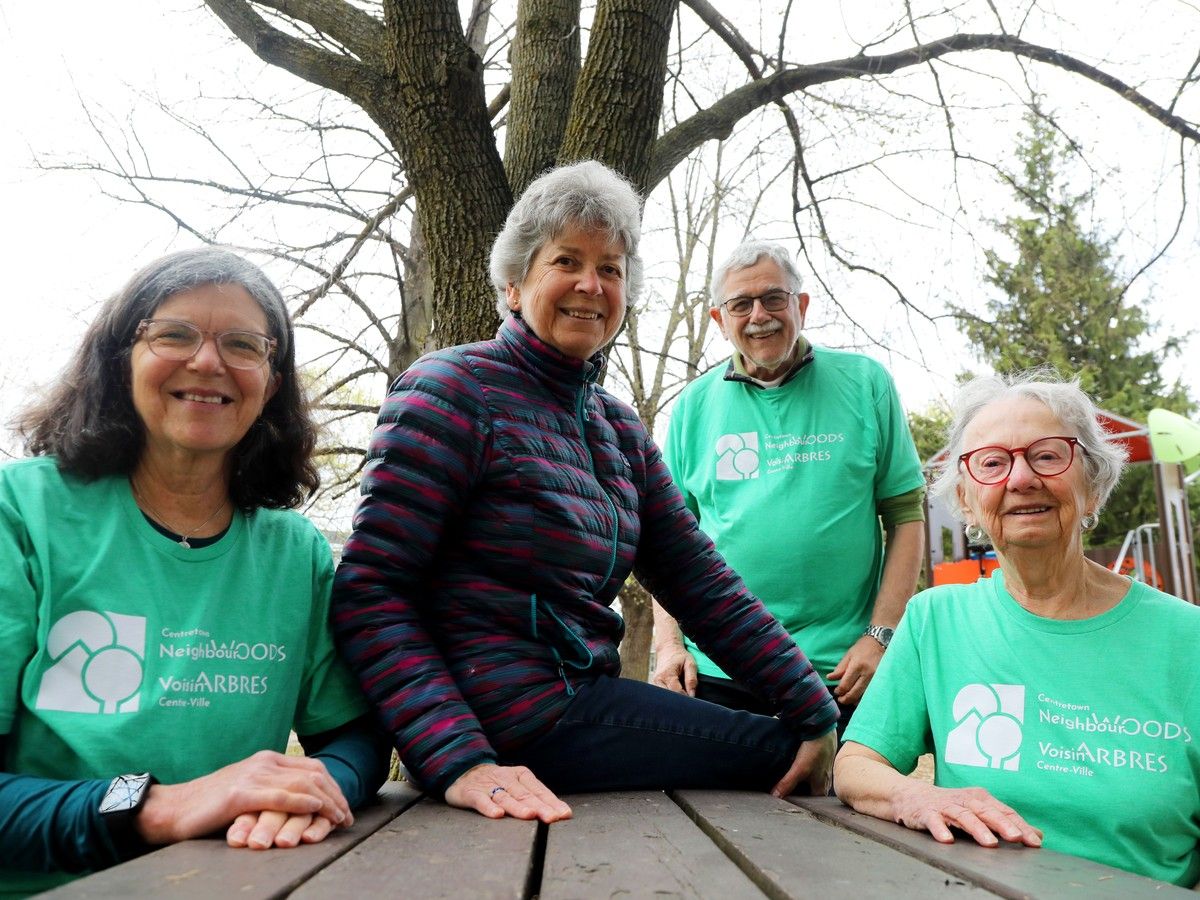
A group of non-expert volunteers concerned about the neighbourhood’s declining tree canopy formed Centretown NeighbourWoods in 2021. Current co-ordinator Darlene Pearson was one of them.
Among other concerning statistics, Pearson said the team discovered about one quarter of the trees on the right of way had been removed since 2017 and not replaced. The right of way is the of municipal land that begins at the edge of a private property and includes the sidewalk, shoulder, road and the pedestrian/vehicular accesses to the property.
Centretown NeighbourWoods hopes to replace a small portion of these trees this year, with a free tree giveaway for Centretown residents.
They have 50 tree saplings to hand out on a first-come, first-served basis. Residents can choose from 15 different tree species native to the region. The trees will be around three to five feet tall and arrive in two-gallon pots.
Centretown residents only need to fill out an online application for a tree, which they can then pick up Saturday, May 8 from 1 p.m. to 4 p.m at the McNabb Community Centre.
“Part of what we’re doing is being advocates for trees in Centretown,” Pearson said.
“We’re cognisant that an inner-city neighbourhood like Centretown is a difficult place for trees to grow,” she said, referencing the many hard surfaces and overhead wires that can inhibit tree growth.
“But that’s not to say that we can’t encourage more tree planting. There’s kind of an adage that says the right tree in the right place. Well, different species will grow better in different kinds of spaces.”
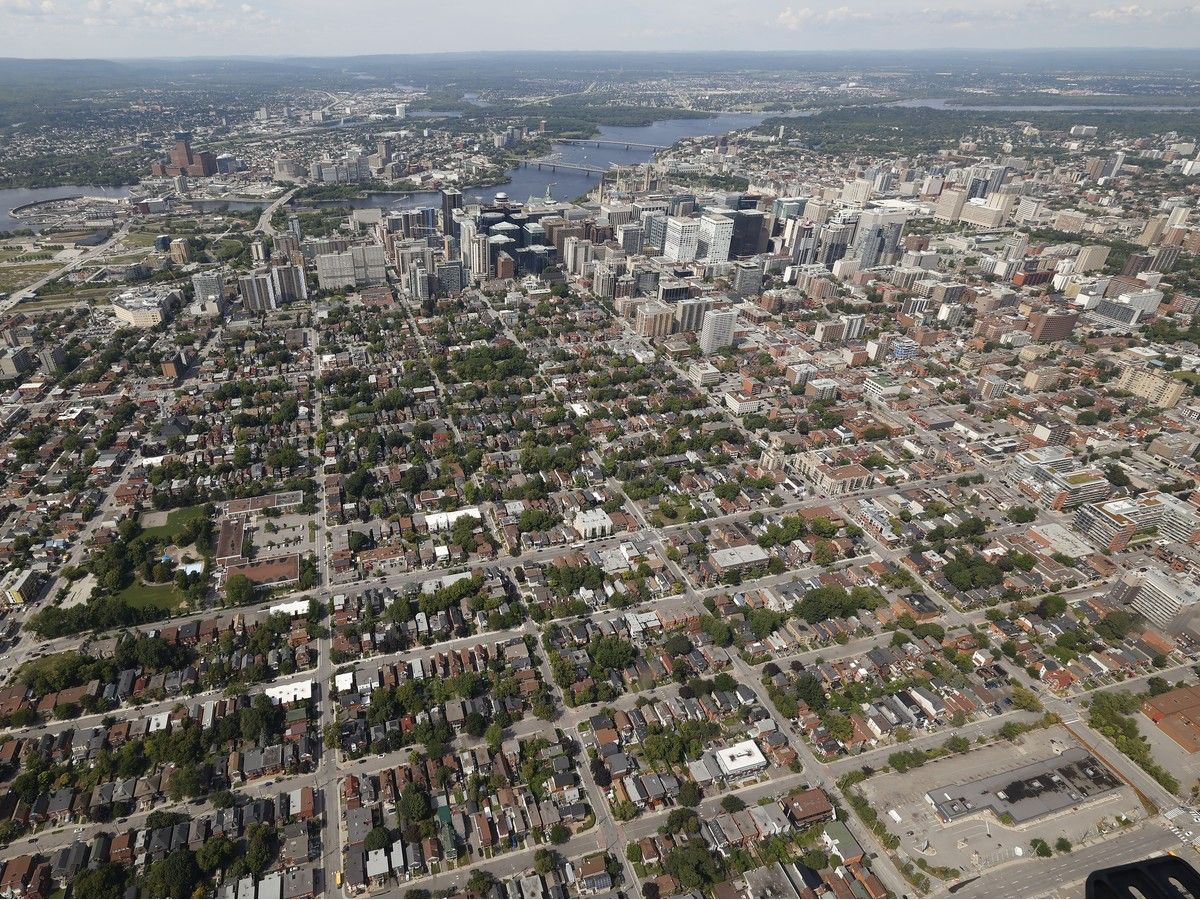
In the city of Ottawa’s five-year tree canopy update, the Somerset ward had 14 per cent tree canopy coverage in 2022 — the lowest of all the wards. Barrhaven East was the second-lowest at 16 per cent.
This falls well below Ottawa’s goal of 40 per cent tree canopy coverage in its urban area.
Although this is Centretown NeighbourWoods’ first time doing this sort of initiative, it is certainly not a first in Ottawa. Pearson said the organization took inspiration from the Hintonburg Community Association and CAFES Ottawa, both of which have tree giveaways coming up.
In March 2025, the city launched the tree-planting program “Plant Your Place!” in conjunction with EnviroCentre.
This year, the program is distributing a total of 2,500 free trees across Ottawa. 100 of these trees will be set aside for people living in the priority areas identified in the city’s 2025 tree equity survey.
Bank Street in Centretown was identified as a high-priority area. Dalhousie-Rochester Heights, another neighbourhood in the Somerset ward, shares this designation. As it had a slightly lower score in the analysis, the city selected Dalhousie-Rochester Heights for “targeted tree planting in 2026-2027.”
Somerset Coun. Ariel Troster said the ward has the “lowest percentage of green space in the National Capital Region.”
“Every tree that we lose in Centretown is a significant loss because we have so few of them,” she said.
Troster said the ward lost a lot of trees during the 2022 derecho storm. She adds that sometimes trees are lost during road renewal projects, when workers have to dig up old pipes.
“More trees in Centretown is absolutely a huge priority,” she said.
Environmental science professor Rachel Buxton said there’s often a “heat island” effect in urban areas with a lot of impervious surfaces, like sidewalks and roads, and not as much tree canopy.
In a heat island, temperatures are notably higher than in neighbouring rural areas.
Buxton said larger tree canopies can help mitigate the heat island effect.
“Trees are really good at lowering temperature,” she said. “They are very good at creating microclimates, and they have the opposite effect of impervious surfaces. And they provide shading.”
“There’s a very clear relationship between tree cover and cooler temperatures,” Buston said.
The original Neighbourwoods project was developed by a pair of forestry professors at the University of Toronto in 1995. Since then, its methodology has been applied in numerous communities across Ontario — Centretown is just one of them.
The volunteers collect information on trees located on both municipal and private property. The city can only survey trees on its own property, but about 60 per cent of the city’s tree canopy resides on private property, Pearson said.
Volunteers leave flyers in mailboxes and knock on doors to ask for permission to survey trees on their property. Pearson says most people are more than willing to let them.
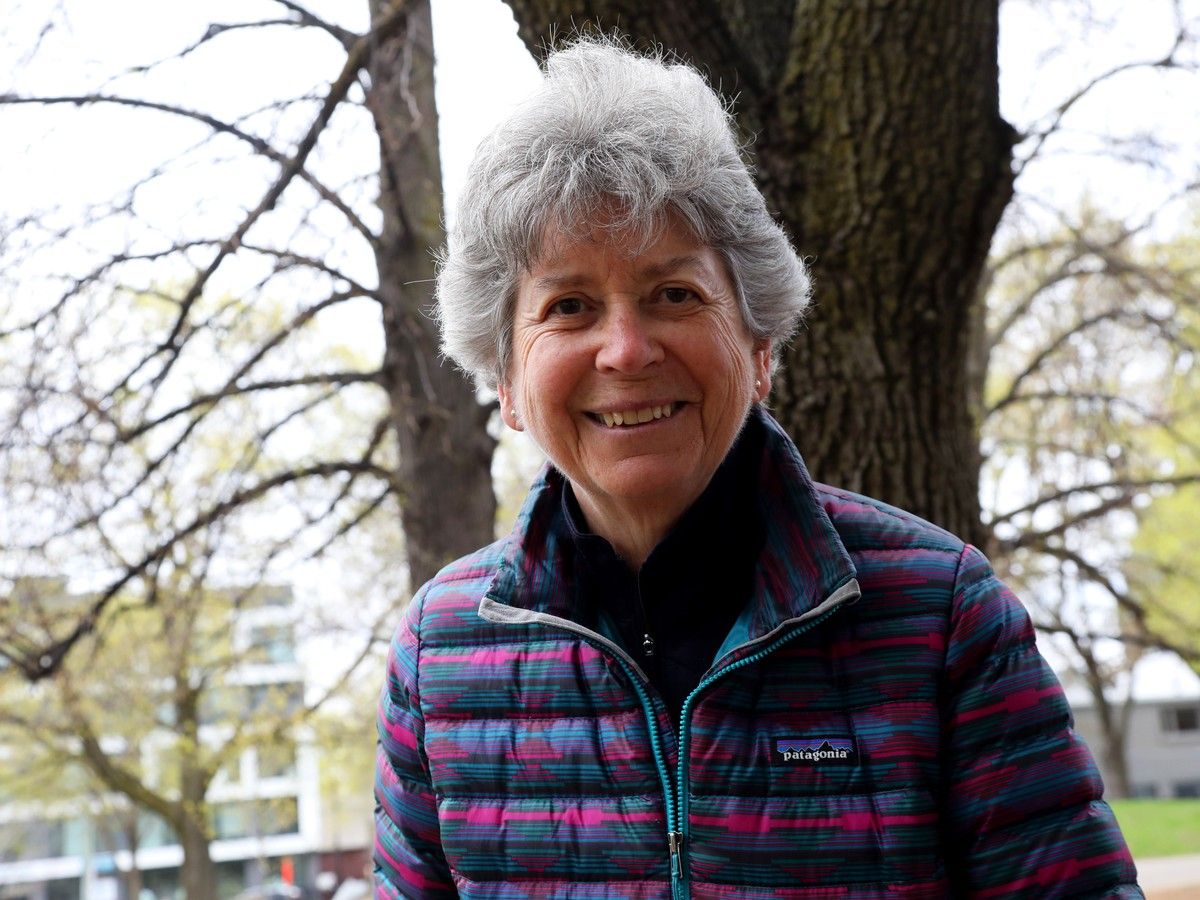
“People do recognize us, because they see us around,” she said, “We’re always gratified when people say to us, ‘Oh, yes, our trees are wonderful, thank you for what you’re doing.’”
The volunteers collect about 30 data points from each tree, taking note of height, diameter, foliage and bark health and other characteristics. This data is then compiled at the end of the season, analyzed, and put into an annual report.
So far, they’ve discovered there aren’t enough young trees to replace the older trees as they die or are otherwise removed for health or safety reasons. Pearson also said there are too many maple trees, and there should be more diversity in the tree species around Centretown.
Michael Petryk, an arborist and lead of urban partnerships at Tree Canada, said biodiversity helps make the surrounding environment more “resilient.” Pests can and have decimated an entire population of single-species trees, he said.
Biodiversity also attracts different kinds of wildlife, Petryk said.
“If you’ve got somebody who’s got wind exposure or poor soils or great soils or limited space, there are different trees that can survive in those spaces, rather than trying to make one tree fit everywhere,” he said.
To promote this diversity, Pearson said she and the volunteers ensured a variety of trees were available for selection.
Almost all of the trees from Centretown NeighbourWoods giveaway have been reserved, Pearson said. And they have “backup plans” to plant the few that may remain.
“I do think trees play an unrecognized role for people, and we’re there to just make it more evident,” Pearson said.
“People are touched by trees, and that is very evident in our interactions with residents of Centretown.”

