The federal government is proposing a social media ban for users under 16 in hopes of getting tech companies to make their platforms safer.
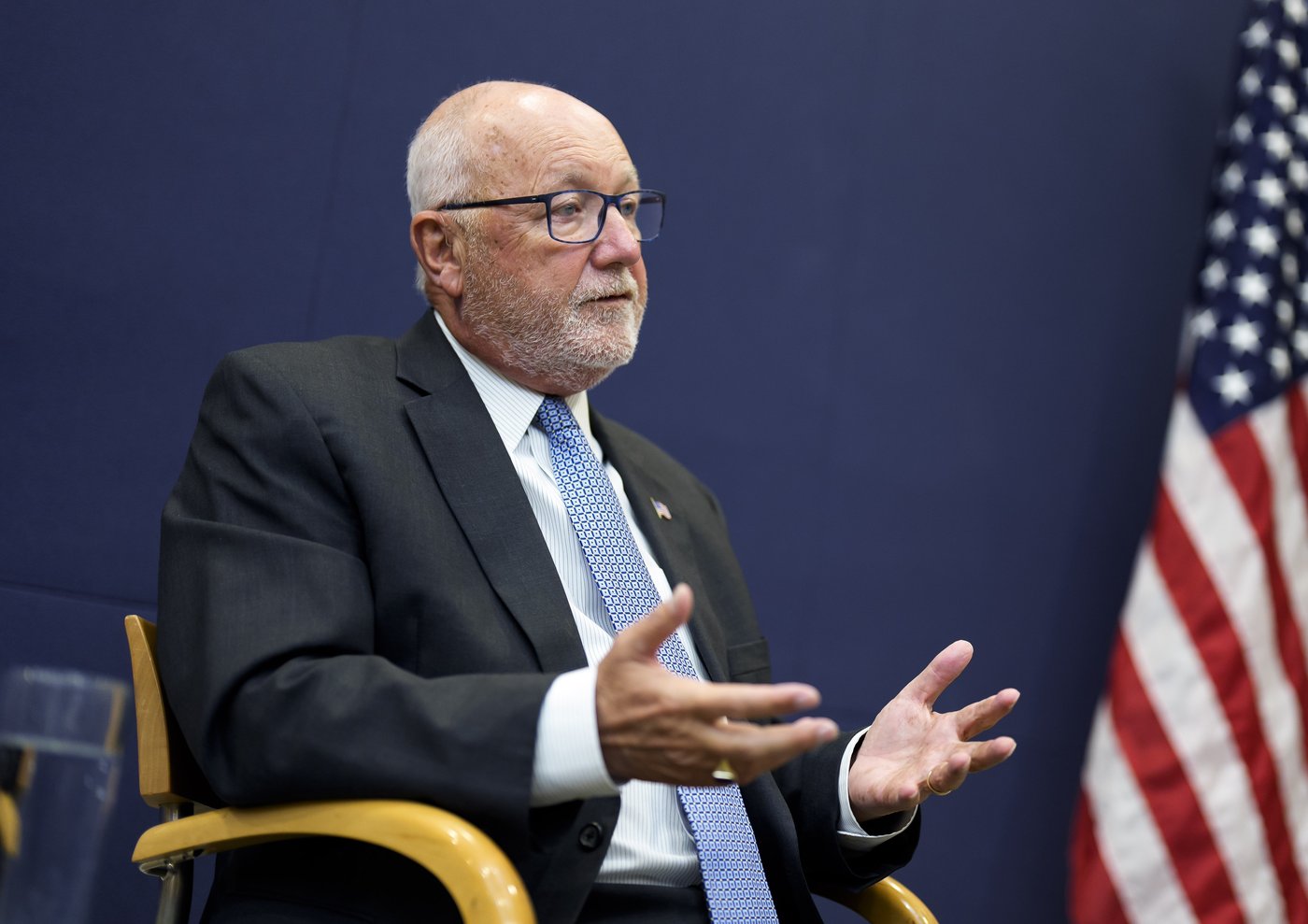
Heritage Minister Marc Miller announced Wednesday that social media companies will eventually have to block Canadian users under 16 from accessing their platform unless they follow unspecified safeguards.
The Canadian Press asked tech companies what they’re doing to protect young people, how they feel about potential bans and what they think of Wednesday’s announcement.
What teen users get:
Instagram owner Meta started giving teens under 16 who sign up for the platform private accounts with limited capabilities as their default in 2024.
The default settings block teens from being messaged by people they aren’t connected with and minimize their exposure to sensitive content such as posts that depict violence or encourage cosmetic procedures.
Parental supervision tools baked into the accounts allow parents to see who their teen is messaging, when and how long they’re on Instagram, and set screen time limits. Those under the age of 16 can only change the settings with parental approval.
The company’s take on bans:
Meta, which also owns Facebook, Messenger, Threads and WhatsApp, is against social media bans because they’re “counterproductive,” spokesperson Julia Perreira told The Canadian Press in an email last month.
“They isolate teens from online communities and information, create inconsistent protections across the many apps they use, and they push teens to less regulated spaces of the internet that lack age-appropriate guardrails,” she wrote.
“We support legislation that empowers parents — not the government — to approve the apps their teens can download at the App Store level.”
Reaction to the Wednesday announcement:
“Like lawmakers, we want safe, positive online experiences for young people, and we are assessing the details of the Digital Safety Act,” Perreira said Thursday.
“Social media bans are counterproductive, but we are encouraged that the government appears to recognize that online services that provide teens with sufficient safeguards, like we’ve done with Teen Accounts and for teens’ conversations with AIs, provide real value to young people.”
———
Snapchat
What teen users get:
The platform’s website says anyone between the ages of 13 and 17 who signs up for Snapchat is placed in a teen account. The accounts let users communicate only with mutually accepted friends or those whose numbers they have already saved to their contacts.
Location sharing is off by default for these users and tagging is only available to them if they are mutual friends.
Earlier this week, the company said Snapchat users under 16 will have a dedicated profile where they can create, save, and showcase their favourite stories and short-form videos — visible only to their mutually accepted friends.
The company’s take on bans:
Asked about Snapchat’s take on potential bans last month, spokesperson Tonya Johnson referred The Canadian Press to a February op-ed in the Financial Times. The piece was Snapchat CEO Evan Spiegel’s response to Australia banning kids under 16 from social media.
He argued that law doesn’t guarantee kids will be safer online.
“When teens lose access to their preferred messaging channel, they aren’t going to stop communicating — they are going to find other ways to talk, through lesser-known apps that offer fewer safety protections,” Spiegel wrote.
Like Meta, he favours a model where age verification happens at the app-store level.
Reaction to the Wednesday announcement:
“We are currently reviewing the bill and remain committed to working constructively with the Canadian government and other industry stakeholders while continuing to invest in enhanced safety features, tools and resources that help keep our community safe,” spokesperson Tonya Johnson said in a Thursday email.
———
TikTok
What teen users get:
Teen accounts on the social media platform are private by default. The app limits who can follow users between the ages of 13 and 17 as well as who views their videos and reads their bios, TikTok’s website shows.
The accounts can’t host live content, send or receive virtual gifts, or buy or sell products on TikTok Shop. They also don’t send push notifications at night and have a default screen time limit of 60 minutes.
Anyone between the ages of 13 and 15 has a more restrictive account that doesn’t allow direct messaging, keeps others from downloading their videos and limits commenting on their posts to friends only.
The accounts can also be set up so parents and guardians can restrict who can comment on their teen’s videos and send them private messages.
The company’s take on bans:
Danielle Morgan, a TikTok Canada spokesperson, declined last month to comment on how the company views potential bans.
Reaction to the Wednesday announcement:
Morgan said in a Thursday email that “we share in the government’s goal of safe online experiences for teens” and “we look forward to collaborating constructively with the government on this important issue.”
———
YouTube
What teen users get:
For kids under the age of 12, the company offers accounts that provide access to a curated library of family-friendly videos with no public comments or private messaging.
Parents of tweens can enrol their kids into supervised accounts where the adults select settings that limit the videos and music children under 13 can find and play.
Anyone aged 13 to 17 gets an account that makes video uploads and autoplay private by default.
The company’s take on bans:
Clark Rabbior, YouTube Canada’s head of government relations and public policy, said in an email last month that “blanket bans like Australia’s risk forcing kids out of age-appropriate environments and into less safe services on the internet.”
“We’re committed to working with the federal government to establish higher safety standards for all platforms, so Canadian families have the confidence and control to choose better, safer online experiences for their children,” he said.
Reaction to the Wednesday announcement:
“We’re carefully reviewing the legislation and will continue to work constructively with Canadian policymakers and other experts to raise the bar for the industry and address these important issues,” spokesperson Shay Purdy said in an email Thursday.
This report by The Canadian Press was first published June 11, 2026.