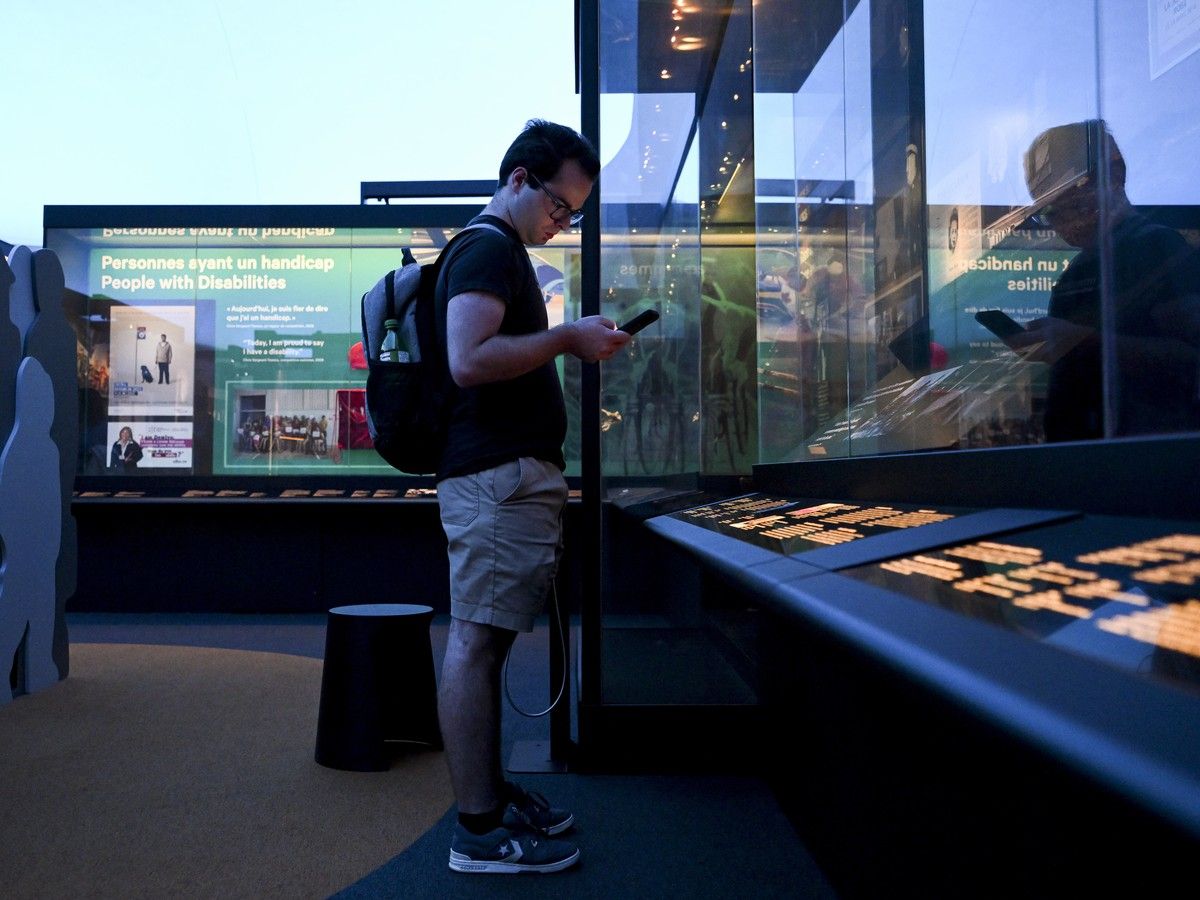
The Canadian Museum of History is defending its new artificial intelligence chatbot after a recent social media post promoting the tool drew hundreds of comments, many from people concerned it could eventually replace museum guides.
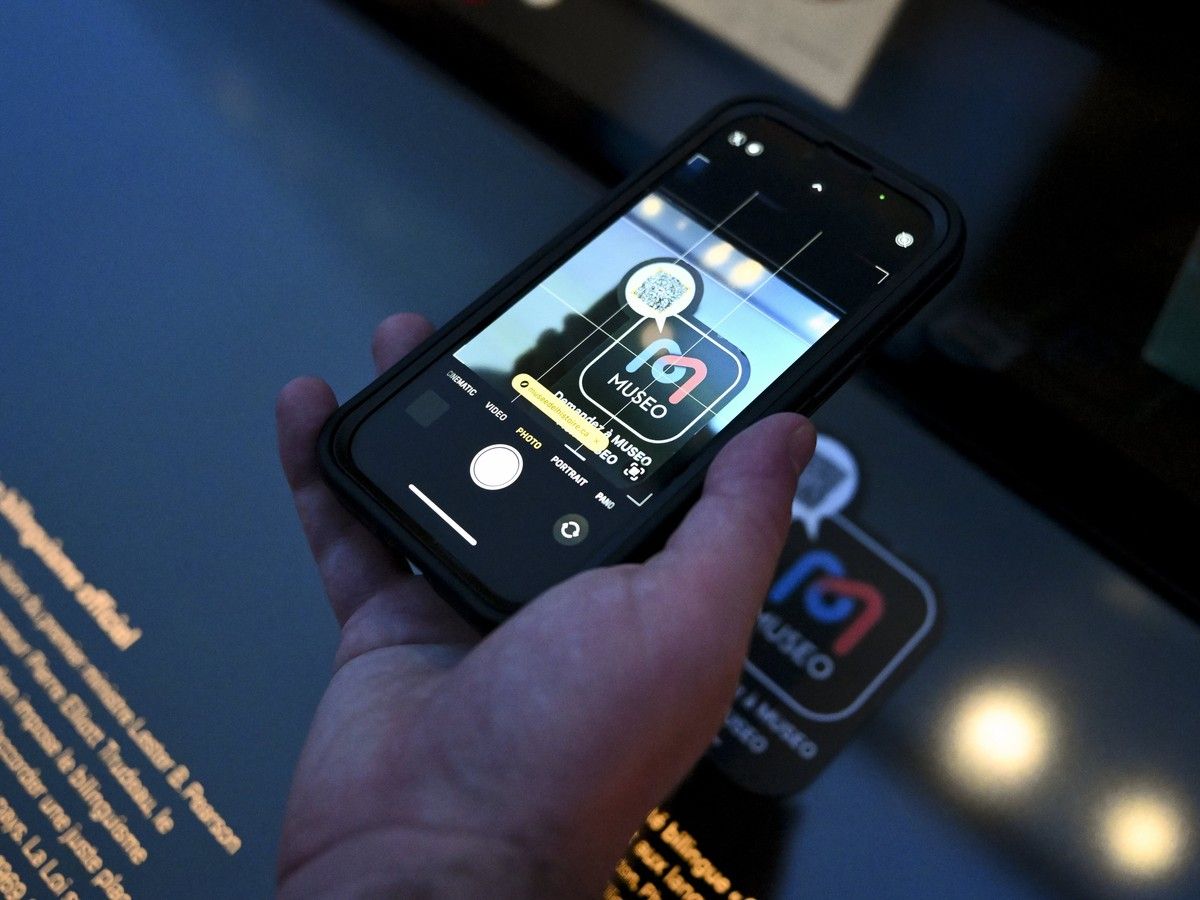
MUSEO, an AI-powered chatbot available in the Canadian History Hall, allows visitors to scan QR codes beside selected artifacts and ask questions about them using their cellphones.
The museum says the tool is meant to provide visitors with another way to access information from its collections, not take the place of staff.
“MUSEO was designed to enhance the visitor experience and complement and support the work of museum staff members,” the museum said in a statement to the Ottawa Citizen.
“It is not intended to replace Museum staff members, guided tours, or the original research, analysis and interpretive expertise on which the visitor experience is based.”
The museum said it plans to continue offering in-person tours, programs and events, which it described as a key part of the visitor experience.
But that assurance has not satisfied some museum visitors who criticized the technology after the museum promoted it in a video posted to Instagram.
Emma Sharpe, who works as a guide at an Ottawa museum, said the advertisement was particularly concerning because she felt it presented the chatbot as an alternative to staff members wearing museum uniforms.
“It makes me really worried,” Sharpe said. “As a guide myself and as someone who really takes pride in my work, I know that I can’t be replaced with AI.”
Sharpe said guides do more than recite information. They read visitors’ reactions, adjust their explanations and bring personal connection to an experience.
“It’s not going to be the same as showing up to the museum and interacting with a real human being who has taken the time to learn all these things and who really cares about the information they’re giving,” Sharpe said.
Sid Dupuis, a tour guide with the Haunted Walk of Ottawa and a museum studies student at Algonquin College, said guides often change how they deliver information depending on who they are speaking with.
“You can read a plaque, you can look at an object, but if a person is actively talking to you and you can hear the passion behind it, I find it makes me leave with a more fulfilled visit,” Dupuis said.
The museum says MUSEO operates within a closed language model using only museum-approved research and exhibition materials rather than searching the open internet. Staff members regularly monitor and update the system, according to the museum.
The tool was developed with Ask Mona, a France-based AI company specializing in tools for cultural institutions, rather than a Canadian developer. The museum said it underwent seven months of internal testing and several teams were involved in its development.
MUSEO is currently available through QR codes beside 10 objects in the Canadian History Hall, which contains more than 1,500 artifacts. The museum said more objects will be connected to the chatbot over the next year.
The museum would not disclose how much the project cost.
After reading through the criticism online, I wanted to see what the experience was actually like for myself.
So on a busy holiday Monday, I headed to the Canadian Museum of History to try MUSEO and find out whether it added something meaningful to a visit or simply put another screen between visitors and the museum around them.
Gallery 3, which covers modern Canada from 1914 to the present, has always been my favourite part of the museum.
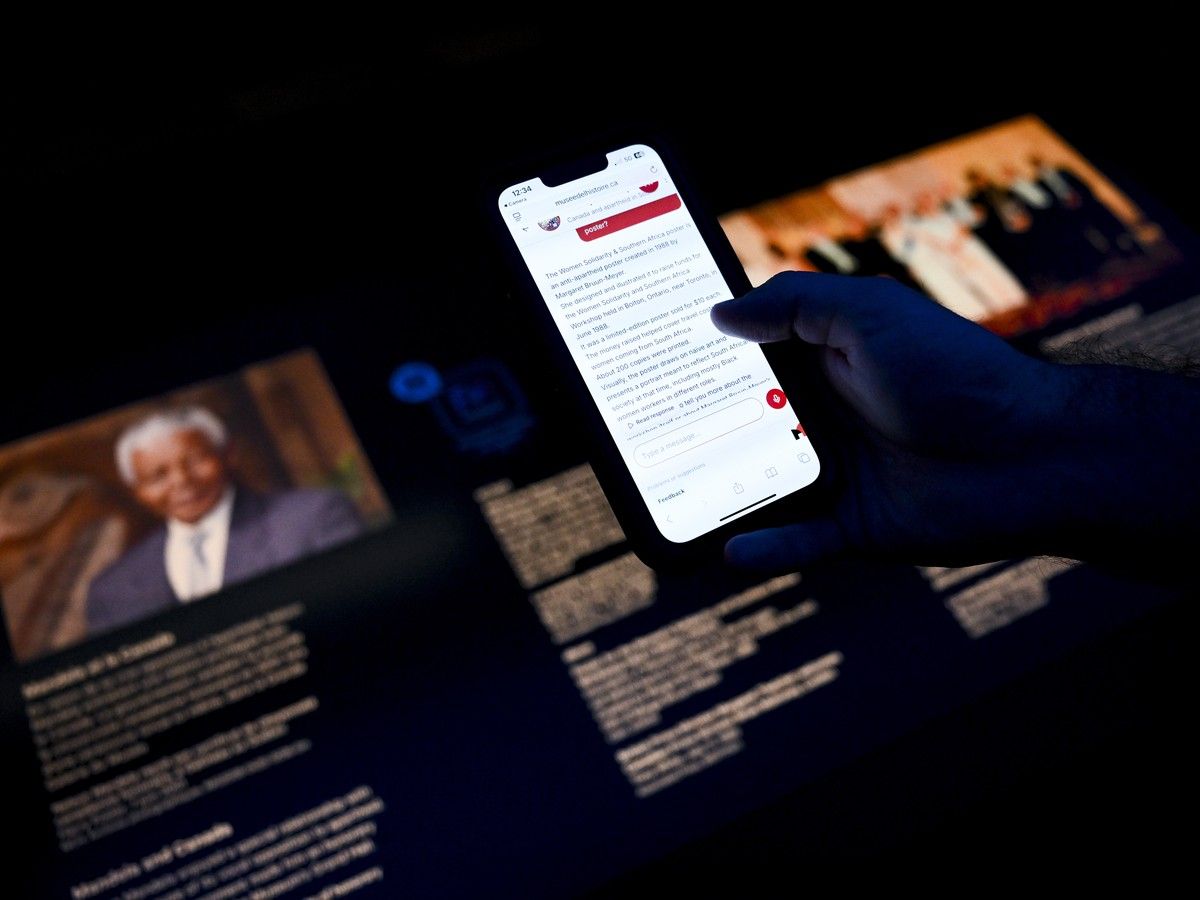
When I was a kid from Toronto visiting Ottawa with my parents, I loved walking through the different periods and seeing how much the country had changed.
The gallery moves through defining moments in Canada’s history, from the First and Second World Wars and the launch of CBC Radio to the October Crisis, proposed designs for the Canadian flag, Terry Fox’s Marathon of Hope and the Idle No More movement.
It does not present Canada as perfect. It shows moments of progress alongside the country’s failures and the work that remains.
Walking through the dimly lit gallery under blue lights, surrounded by old political posters and newspapers, it is difficult not to feel some sense of pride, reflection or both.
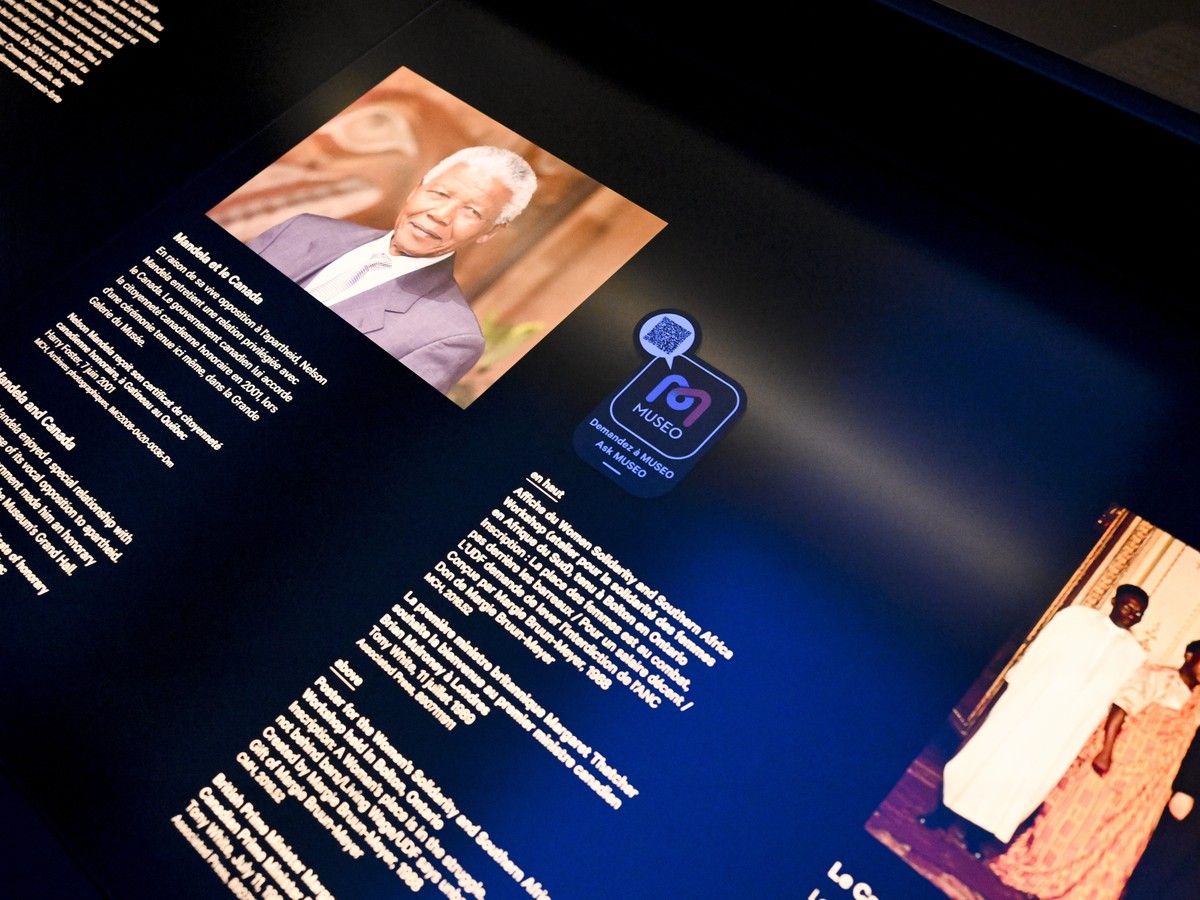
MUSEO’s QR codes appear in the later sections of the gallery. They are small and can be easy to miss.
On a busy afternoon filled with families, children and visitors who appeared to still be in town following the Ironman Canada-Ottawa race, I was the only person I saw scanning one.
Each code is linked to a specific artifact. Once scanned, it opens a web page where visitors can type or speak a question in English or French.
I tried MUSEO to learn more about several artifacts, including the Gay Sweater, made from hair donated by members of the LGBTQ+ community, one of Rick Hansen’s gloves from his Man In Motion World Tour and Oh! Canada, a 1974 board game created to promote bilingualism.
The chatbot cannot answer questions about every object in the gallery. To move to another artifact, visitors must find and scan another QR code.
When I asked the chatbot questions, MUSEO responded within seconds.
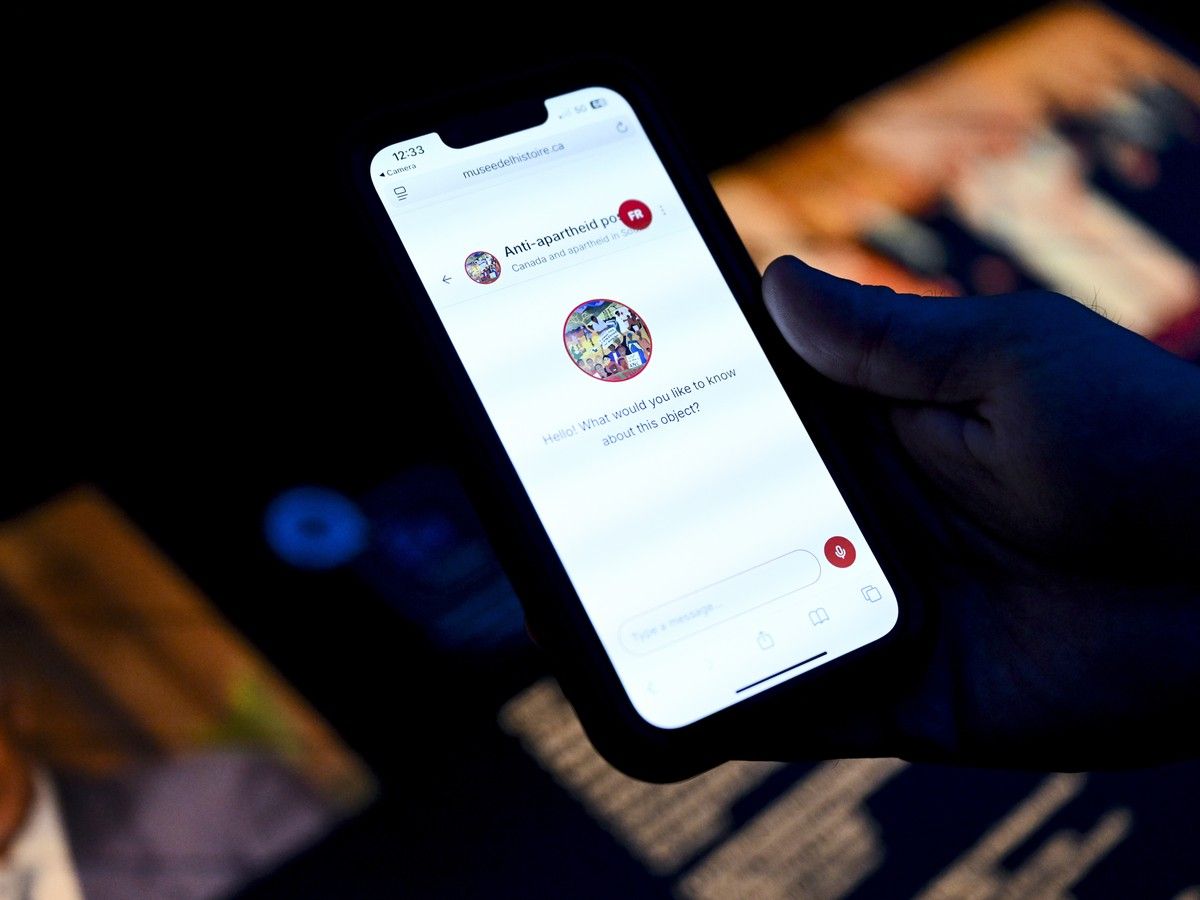
The answers were generally a few sentences long and offered more detail than what could fit on the signage beside an artifact. At the end of each response, the chatbot suggested related questions or asked whether I wanted to learn more.
But the QR codes were small, and it was not always immediately obvious which object they belonged to. That made the tool feel more hidden than inviting.
There is a clear benefit to making more of the museum’s research available. Museum labels have limited space and some visitors will want more detail than a short description can give.
MUSEO delivers that information quickly, and the museum’s decision to limit it to approved material addresses some of the accuracy concerns associated with general-purpose AI tools.
But using it also meant taking out my phone in a space where I would normally prefer to put it away.
Museums are one of the few places where I can ignore texts, stop scrolling and simply be present. I like wandering through galleries at my own pace, reading plaques, looking closely at artifacts and, when the opportunity arises, talking with the people who know them best.
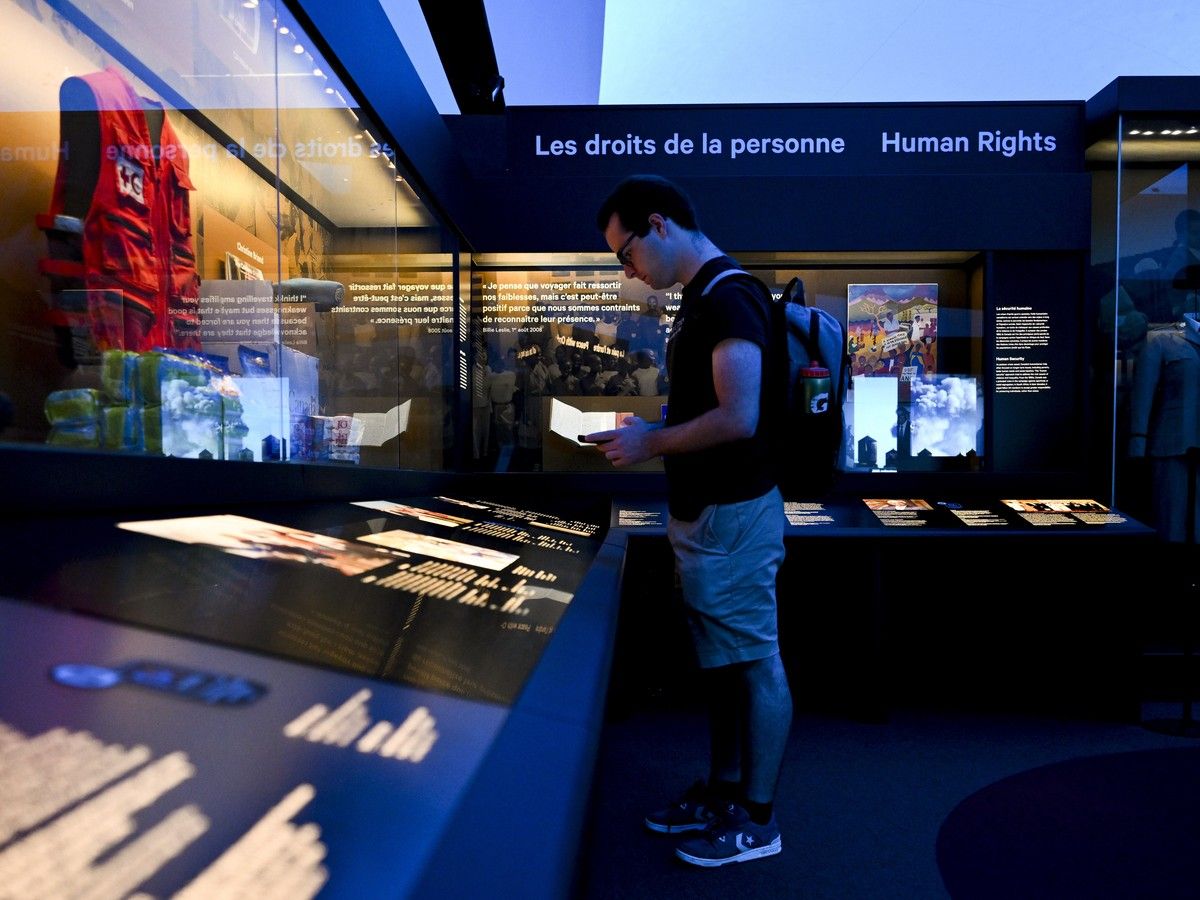
With MUSEO, I found myself looking back and forth between an artifact and a screen. The technology worked exactly as intended, but it also pulled my attention away from the objects I had come to see.

I also kept thinking about the concerns raised by Sharpe and Dupuis.
A chatbot can explain what an object is, when it was used and why it matters. But it can’t notice when a visitor looks confused, explain something differently for a child, answer an unexpected followup question or let a simple question grow into a real human conversation.
I’m an extroverted person by nature. I like asking questions, hearing stories and talking to people who are passionate about what they do. Most of my favourite museum memories over the years aren’t tied to seeing a particular artifact, they’re instead tied to the people who told me the stories behind those pieces of history.
The museum says MUSEO is meant to complement its tours, programs and events, which it describes as “integral” to the visitor experience.
During my visit, however, the only museum employee I spoke with was the person who scanned my ticket as I went in.
I bought my admission from an automated kiosk. I explored the galleries on my own. When I wanted to know more about an artifact, I reached for my phone instead of another person.
That was the part that left me feeling uneasy.
MUSEO answered most of the questions I asked. It was fast and easy to use.
But information isn’t the only reason people visit museums.
People go for stories. They go for conversation. They go for the chance to ask a question that isn’t on a screen and hear someone answer it with enthusiasm, curiosity and maybe even a story that isn’t written anywhere else.
I didn’t leave the museum thinking about MUSEO’s answers.
I left wishing I’d had more conversations with people than with my phone.
Take control of your search results. Make the Ottawa Citizen a preferred source on Google and see verified local reporting first.