A program meant to help federal departments buy low-carbon fuels for government-owned planes and boats was eliminated under the Carney government’s public service spending review.
The Low-carbon Fuel Procurement Program was one of two projects for “greening” government examined in a new report by Canada’s auditor general.
While neither of the two measures discussed in the report managed to reduce greenhouse gas emissions as planned, the auditor general found the government had nonetheless made progress toward implementing tools to help cut emissions.
In 2019, the government launched the Greening Government Fund, an effort to cut emissions in its own operations and contribute to an overall target of net-zero emissions by 2050.
Projects under the fund have included sustainable energy retrofits to government buildings and efforts to advance hydrogen and electrified aircraft development for the Royal Canadian Air Force fleet.
The low-carbon fuel program is another example. It was meant to encourage key federal departments to gas up their boats and planes with low-carbon fuel.
Low-carbon fuels, such as ethanol or other plant-based options, cost more than traditional gasoline or diesel. The program attempted to offset the cost for federal departments.
Under the program, however, neither Transport Canada nor the Department of National Defence was able to source as much low-carbon fuel as the plan had hoped, due partly to a lack of Canadian supply.
At launch, Treasury Board Secretariat projected the program would result in the government purchasing 29.1 million litres of low-carbon fuel over the past three fiscal years. Instead, departments purchased just 7.3 million litres.
Another goal was to help establish a Canadian market for low-carbon fuels.
Now that the program has been eliminated, the auditor general said it remained “unknown” whether that goal would ever be achieved.
‘Progress was made’
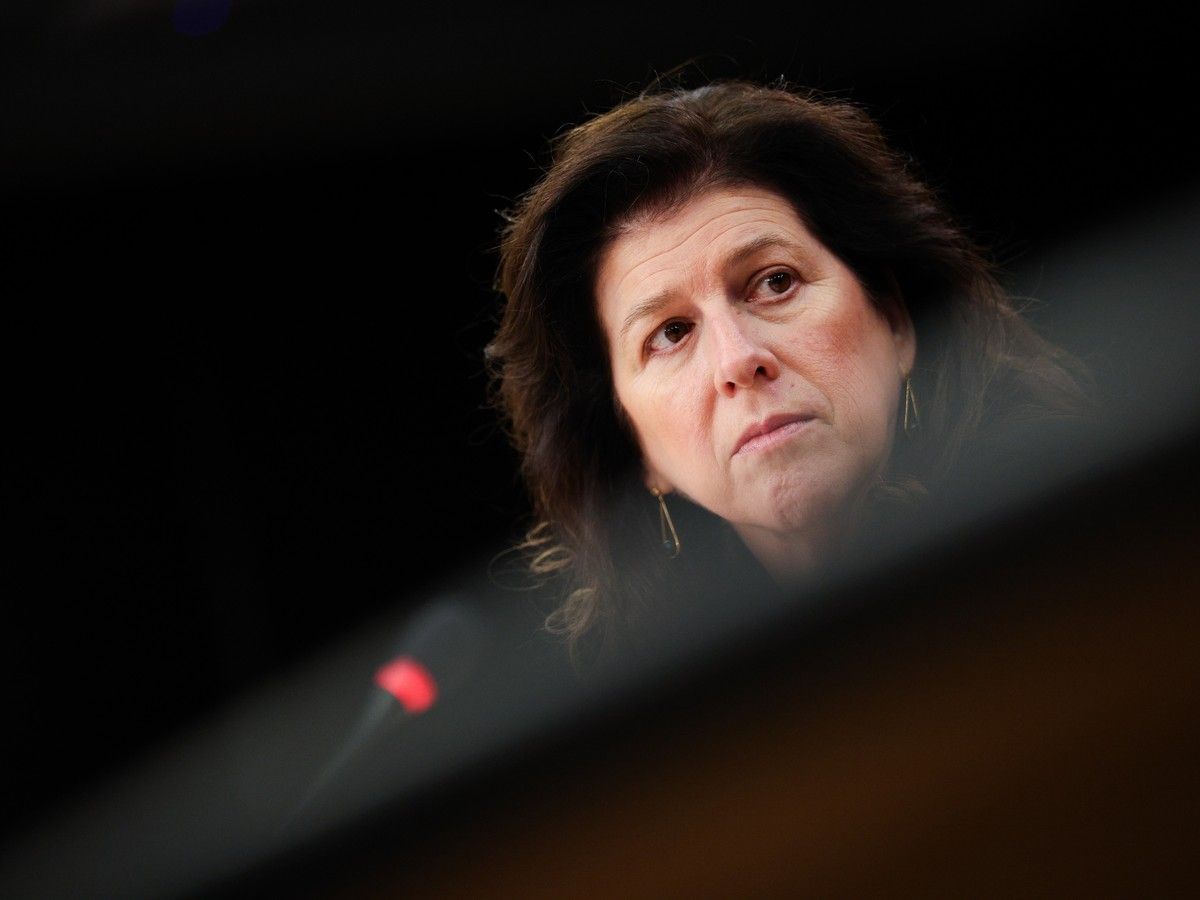
The other measure examined by Auditor General Karen Hogan was the Standard on the Disclosure of Greenhouse Gas Emissions and the Setting of Reduction Targets.
Under the standard, when the government buys a good or service worth more than $25 million, the supplier is required to disclose their emissions publicly or to participate in an initiative requiring them to disclose and set an emissions target.
The auditor general found Canada’s version failed to collect enough detailed information and didn’t specify where and how suppliers should disclose their emissions.
Despite those concerns, the auditor general found “progress was made” toward taking action to help cut greenhouse gas emissions in government. Departments had implemented seven of nine previous auditor general recommendations, and the remaining two were “in progress.”
Treasury Board Secretariat had improved its annual reporting on emissions, the audit found, and had also updated its Greening Government Strategy to include specific commitments.
In response to the audit, Treasury Board Secretariat said it would consult with other departments to clarify how emissions information could be disclosed.
Don’t let algorithms hide the follow-up. If you are tracking this story, make the Ottawa Citizen a preferred source so you get our live updates the next time you search.tktk
Related
- Feds join international declaration on sustainable procurement
- New projects announced to ‘green’ more federal government buildings