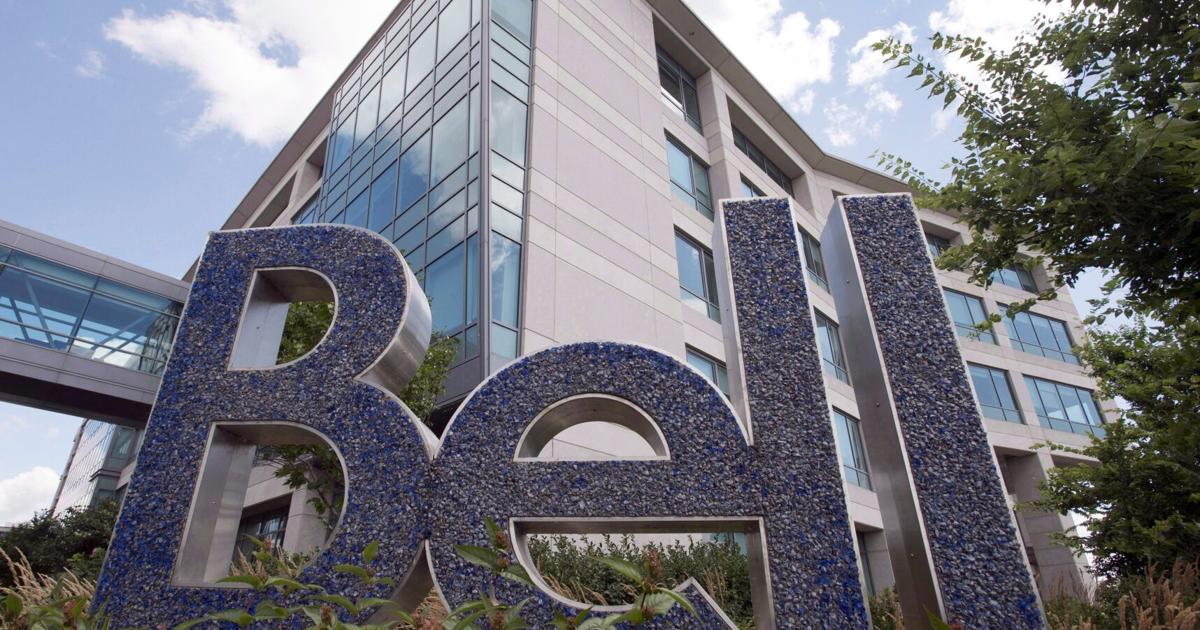
Nearly 50 former Bell employees are suing parent company BCE Inc., alleging they were wrongfully fired as part of a broader cost-cutting effort after being accused of lying about their workplace attendance to meet return-to-office requirements.
Bell says the workers were fired for deliberately violating the company’s code of conduct, while the employees argue the company retroactively punished workplace practices it had previously tolerated.
“What we are seeing here are massive rounds of economically motivated terminations,” said Toronto employment lawyer Jean-Alexandre De Bousquet, who represents the workers. “It’s like Bell can’t fire people fast enough.”
Bell has maintained the employees were fired for violating the company’s code of conduct and the rationale was not economically motivated as the claim alleges.
A whistleblower inside Bell shared a mass-layoff economic strategy with De Bousquet, according to the statement of claim, that included written instructions to fire approximately 30 employees per office to meet a target set by upper management, with at least one employee per team being targeted for dismissal in order to set examples for the rest.
The allegations have not been tested in court. When reached by the Star, Bell said it could not comment on the specific allegations because it had not yet been served with the claim. It added it would “vigorously defend” itself in court if served.
The statement of claim also notes that while employees were being fired for their alleged manipulated office attendance, Bell was simultaneously engaged in a company-wide hiring freeze and other cost-cutting measures. Last week, Bell announced it had cut nearly 700 jobs across its workforce as part of the company’s three year growth plan.
An employee with knowledge of the terminations said told the Star workers were using different strategies to clock in, including swiping access cards just before midnight and then again a few minutes later to record attendance on two consecutive days. Others would go to the office to grab a cup of coffee — a practice called “coffee badging” — or to use gym facilities and then work from home for the rest of the day.
De Bousquet said before the terminations, employees were never disciplined or warned, and often received express or implied consent regarding their work arrangements, including remote work practices that Bell later characterized as severe misconduct. The lawsuit argues that after condoning the practices for months or years, Bell made an “improper attempt” to “retroactively impose disproportionate disciplinary measures.”
Bell has maintained that the investigations were thorough and that employees were presented with clear evidence of misconduct before being terminated. The company says managers who allowed or encouraged employees to work around the return-to-office mandate were also fired.
According to the claim, workers were subjected to what they describe as a standardized and procedurally unfair investigative process. Many received nearly identical termination letters containing the same allegations and wording, the lawsuit says. Some employees allegedly received letters containing incorrect information or references to other workers, which the lawsuit argues demonstrates the dismissals were carried out as part of a broader corporate directive rather than through individualized assessments.
The employees also allege they were given little opportunity to respond to accusations involving attendance records dating back months or even years.
The majority of the 46 former employees involved in the lawsuit are from the Toronto area and are seeking damages ranging from roughly $18,000 to $350,000, based on their salaries and time with the company.
BCE will have 20 days to file a statement of defence.
More to come.