


As calls for better storm infrastructure ripple through the city following the July 1 storm, researchers say upgrading the stormwater pipes is not the only way to make Ottawa more resilient to flooding.
A research lab at Carleton University is looking into how nature-based solutions, known as green infrastructure, can reduce flooding impacts by allowing rainwater to be absorbed where it falls.
In a study published earlier in July, researchers modelled how rain gardens, which are specifically designed to collect storm water and absorb it back into the ground, could be used to minimize flooding in two Ottawa neighbourhoods.
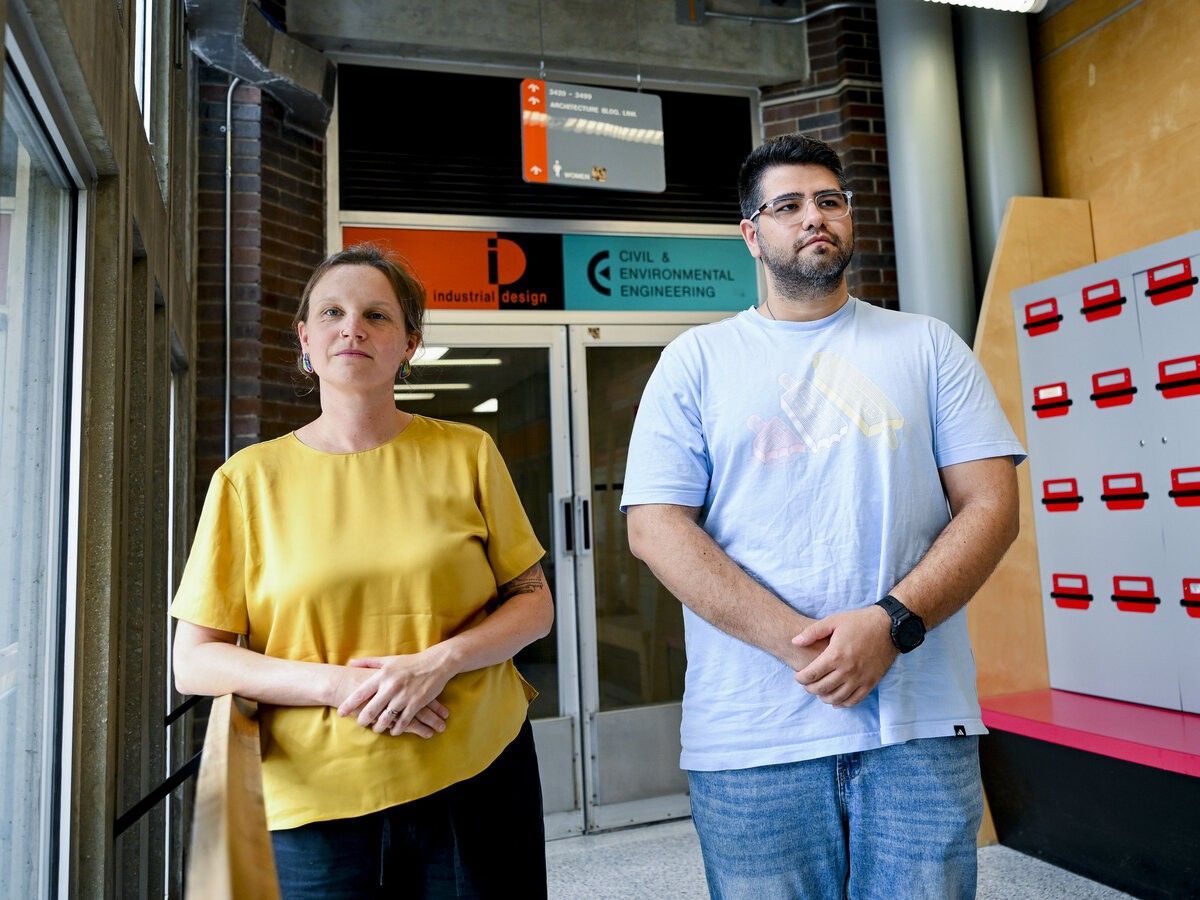
“(Rain gardens) can basically create capacity for us to hold onto water longer so that it’s not just put into the sewers right away and overwhelming them,” said Jennifer Drake, the Canada Research Chair in stormwater and low-impact development.
Using City of Ottawa models of the Crystal Beach and Byron and Golden neighbourhoods, Drake and her team simulated how rain gardens would make a difference through the August 2023 storm as well as during a 100-year storm.
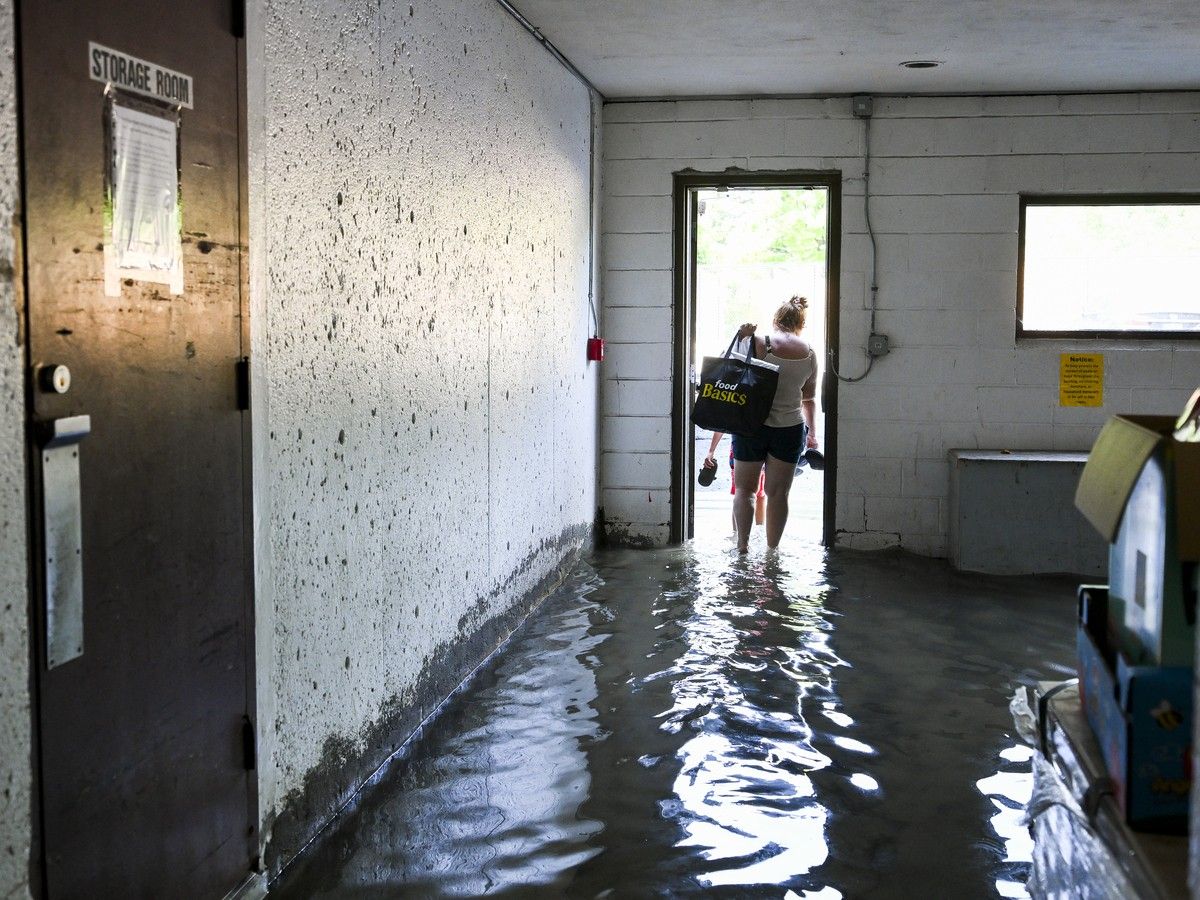
While cities have created infrastructure like sewers to manage water coming onto asphalt and other impervious surfaces, Drake says large storms will usually overwhelm these systems, as happened on July 1.
The simulations looked at three scenarios: if rain gardens were built on private property; if they were added to city-owned right-of-way land; and if they were implemented on both city and private land.
And, while rain gardens aren’t expected to eliminate flooding entirely, Drake said the simulation showed rain gardens reduced flooding areas by as much as 50 per cent.
“That’s going to mean some people are not getting flooded that (previously) have been, and, when we think of what climate change means for us, which is more intense rainfall and more extreme, we have to use every tool in our toolbox to just even maintain the risks,” she said.
The rain gardens were effective in a number of ways during the simulations, including reducing the total volume of runoff created, the flow rates of the water and how much land was inundated by flooding.
Ali Zoghi, a PhD candidate in environmental engineering who worked on the flood modelling as part of his thesis, said the study was an example of how Ottawa didn’t need billion-dollar projects to become more flood resilient.
“Green infrastructure would be particularly helpful because we don’t need to go out and (dig up) all the streets and take out all the aging pipes and replace them,” Zoghi said.
“Even if we did, that is not treating the problem at the source m because we have replaced surfaces that would naturally help water percolate and drain into the native soil with asphalt.”
Currently, Drake said, green infrastructure like rain gardens isn’t used “at scale” in Canadian cities like Ottawa and is instead used as “an ad-hoc patchwork sort of scenario.”
The City of Ottawa recently announced it would be building its first sponge park at Carillon Park in Vanier, which is another type of green infrastructure designed to naturally manage rainfall.
It’s an initiative Drake is excited about as Ottawa takes after cities like Montreal, which currently has more than 23 sponge parks.
“Designing our parks so that they’re thoughtfully intended to capture and infiltrate water, it’s just a makes sense strategy for keeping that water out of the pipes so we don’t end up with the basement flooding that we had,” she said.
As the city says it is looking into every option in the aftermath of the July 1 storm, Drake and Zoghi say they hope more green infrastructure can be considered part of the solution.
Green infrastructure, however, won’t work best on its own, and should instead be designed to work in tandem with traditional stormwater systems, known as grey infrastructure.
“We do need to be thinking about increasing infrastructure size, making pipes bigger and catch basins larger, so that’s one approach and definitely something we should be doing,” Drake said. “But also, in parallel, we really should be investing in these types of practices that will keep the water out of the sewers in the first place.”
In follow-up studies, Drake and Zoghi are modelling how upgrades to the stormwater system could work in tandem with green infrastructure to minimize flooding in the Crystal Beach and Byron and Golden neighbourhoods.
Zoghi says his main takeaway is that, while green infrastructure will work well as a retrofit in existing Ottawa neighbourhoods, he also encourages developers to look toward the future as they design new homes.
“It would be best if they were part of the initial plan for water management, and that would probably take down the costs and would improve the resilience of new developments,” he said.
Take control of your search results. Make the Ottawa Citizen a preferred source on Google and see verified local reporting first.

